The Central Bank of Nigeria (CBN) has issued strict warnings and threatened to sanction Deposit Money Banks (DMBs) that refuse to accept dirty or mutilated Naira banknotes from customers.
The decision followed numerous reports indicating that some banks have been rejecting these banknotes.
In a circular dated June 28, 2024, with reference number CODIDIR/INT/CIR/001/018, the CBN reiterated the enforceability of an earlier circular issued on July 2, 2019. The previous circular, with reference number COD/DIR/GEN/CIR/01/006, outlines penalties for banks that reject Naira notes, emphasising the importance of compliance.
Read also: CBN to sanction banks, BDCs for rejecting old, lower dollar denomination
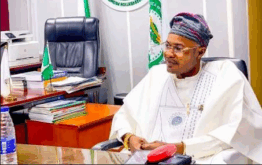
“Deposit Money Banks are reminded that the CBN circular prescribing penalties for the rejection of Naira banknotes is still enforceable and binding on erring DMBs,” stated Solaja Mohammed J. Olayemi, acting director of the currency operations department at the CBN.
The CBN has made it clear that it will apply strict sanctions to any bank found guilty of rejecting deposits of Naira banknotes under any pretext. The move is aimed at ensuring that all banknotes, regardless of their condition, remain in circulation to serve the public effectively.
“Going forward, the Central Bank of Nigeria shall not hesitate to apply strict sanctions on DMBs who are reported to have rejected deposits of Naira banknotes from the public, under any guise,” Olayemi added.
The directive seeks to address public concerns and maintain confidence in the nation’s currency system. The CBN urges all Deposit Money Banks and the general public to adhere to this guidance to avoid penalties and ensure smooth financial operations.

Join BusinessDay whatsapp Channel, to stay up to date
Open In Whatsapp