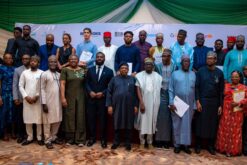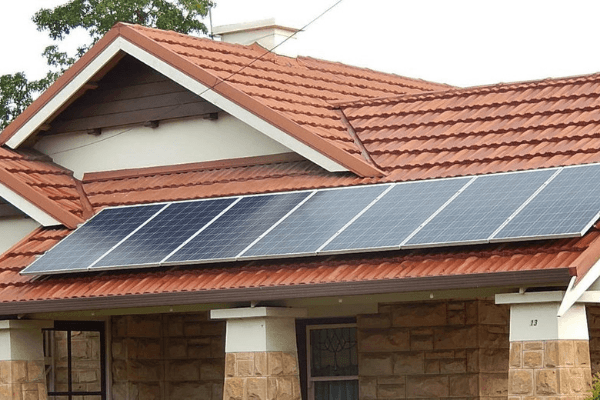
In an effort to play a leading role to localize and industrialize the deployment of minigrids in West Africa, EM-ONE Energy Solutions, a sustainable engineering firm and Schneider Electric, a leader in digital energy management, automation and software have signed a Memorandum of Understanding to develop and execute decentralized renewable energy projects.
The MoU builds on EM-ONE’s expertise in electrifying over 400 clinics, schools and rural communities in Nigeria using their proprietary containerized solar solution – the “EM-BOX.”
Recent donor and private sector motivation to build Nigeria’s off-grid power sector to address the un- and under-electrified populations hope to prove the case that decentralized, renewable power will pave the way for affordable, reliable sustainable and modern energy for all in a cost effective and timely manner.
“Nigeria has become a focal point for distributed solar, renewable energy and minigrid investment due to the size of the market — 75 million people without access to electricity and another 30 million people that are connected to the grid but do not receive any electricity,” said Mark Amaza, who leads strategic communications and research for developing-world, distributed sustainable energy advocacy Power for All.
EM-ONE’s CEO, Mir Islam comments “Having worked in Nigeria’s power sector for over 20 years, we know that customized and decentralized energy solutions are the way forward to leapfrogging Africa’s energy access challenges. The EM-BOX is a customized energy solution that builds upon the lessons learnt from electrifying rural and off-grid Nigeria.
The EM-BOX has been designed to be a plug-and-play standard system that is modular and scalable and uses best-in-class technologies like Schneider to deliver long standing and sustainable value to donors, investors and the off-takers alike. We look forward to continuing to work with Schneider to expand the electrical footprint of Africa while enabling local capacity, jobs, reducing carbon emissions and providing greater access to social benefits.
“This is the second largest population of people without access to electricity in the world after India and the largest in Africa,” stated Amaza. “Another reason is that over the past three years, the government has focused a lot of attention on the off-grid power sector in terms of policies, plans, and targets, such as the 10,000 minigrids by 2023 and the $2 billion investment initiative.”


Join BusinessDay whatsapp Channel, to stay up to date
Open In Whatsapp