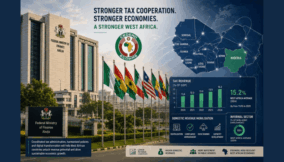
Nigeria bets regional tax reform can boost domestic revenue
Nigeria’s tax reform agenda is no longer confined to its own borders. Abuja wants West African governments to coordinate tax...


BusinessDay
Nigeria’s tax reform agenda is no longer confined to its own borders. Abuja wants West African governments to coordinate tax...
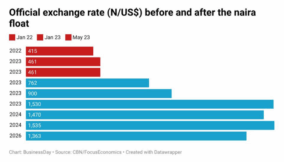
Chukwuemeka ran a printing business in Onitsha. In May 2023, he imported paper and ink from China, paying roughly N460...
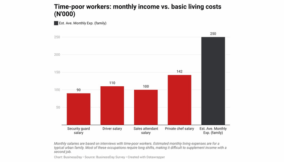
For generations, a full-time job was seen as the surest route out of poverty. In Nigeria today, it is increasingly...

Three years after Nigeria ended one of Africa’s largest fuel subsidies, the country’s finances look healthier than they have in...
Cooking a modest pot of soup for a family of four has become a luxury in Nigeria. A meal prepared...

For more than two years, Nigerians have been told that painful economic reforms are the price of a better future....
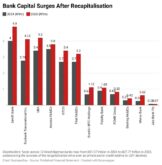
Nigeria’s banks have more capital than at any point in their history. Yet businesses are receiving less credit. That contradiction...
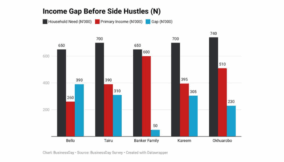
From Uber driving and POS businesses to online tutoring and home-based catering, households are building new income streams to bridge...
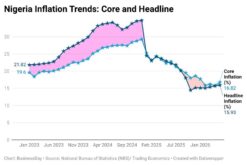
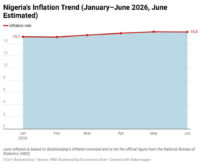
Nigeria’s inflation rate rose for the third consecutive month in May, but the bigger concern for policymakers was not the...
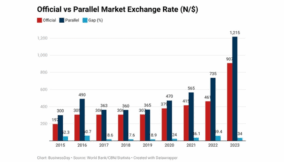
On June 23, 2015, the Central Bank of Nigeria issued Circular TED/FEM/FPC/GN/01/010, declaring 41 imported product categories ineligible for foreign...