By the time the sun dips behind the mangroves of Akipelai community in Ogbia Local Government Area of Bayelsa State, Ramon Quadir is watching his margins shrink.
His bar fills up around 7 pm, the hour when labourers drift in from the waterways, and traders close their stalls.
Cold drinks move fast in the Niger Delta heat. But the solar minigrid that transformed his business has over time developed a habit of dimming at night, sometimes cutting out entirely before 8 pm on cloudy or rainy days due to increased energy demand.
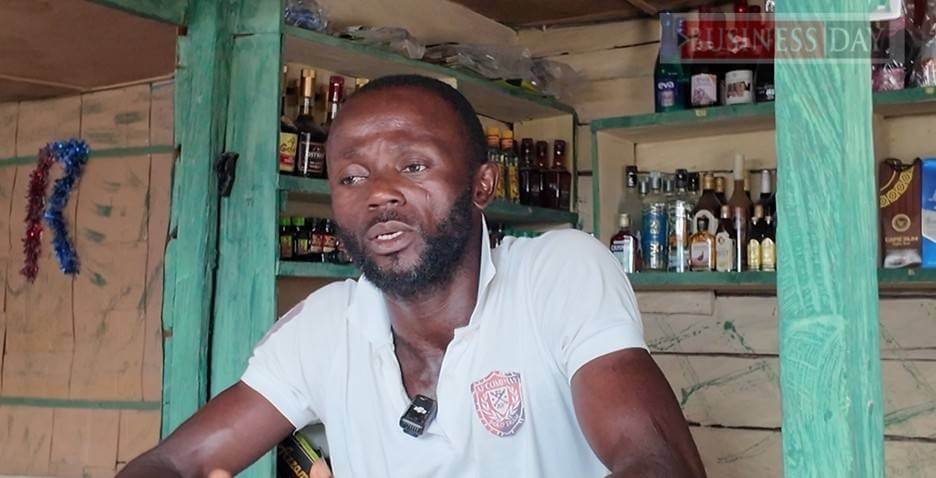
“We need more light for my business and a demanding night business economy,” Quadir, 45, said.
He has spent a decade in Akipelai, a riverside town in Bayelsa State surrounded by thick tidal forests and connected to the rest of Nigeria mostly by boat.
He has watched generators eat through profits at N1,300 per litre of petrol, fuel that powers a compressor for barely an hour.
Solar, even imperfect solar, changed what was possible here.
“In the entire community, I’m the number one or number two plug for anything cold drinks,” he said. “Sometimes people from neighbouring communities come around to buy drinks from my place.”
Akipelai is one of hundreds of communities across sub-Saharan Africa where independent solar minigrids have arrived as a substitute for national electricity infrastructure that never came, or came and then quietly retreated.
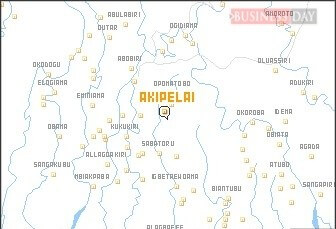
For Nigeria’s rural south, the national grid has long been more aspiration than reality. The Niger Delta, despite sitting atop one of the world’s most significant oil reserves, has among the country’s lowest electrification rates. The rivers that made it rich in hydrocarbons made it difficult to wire.
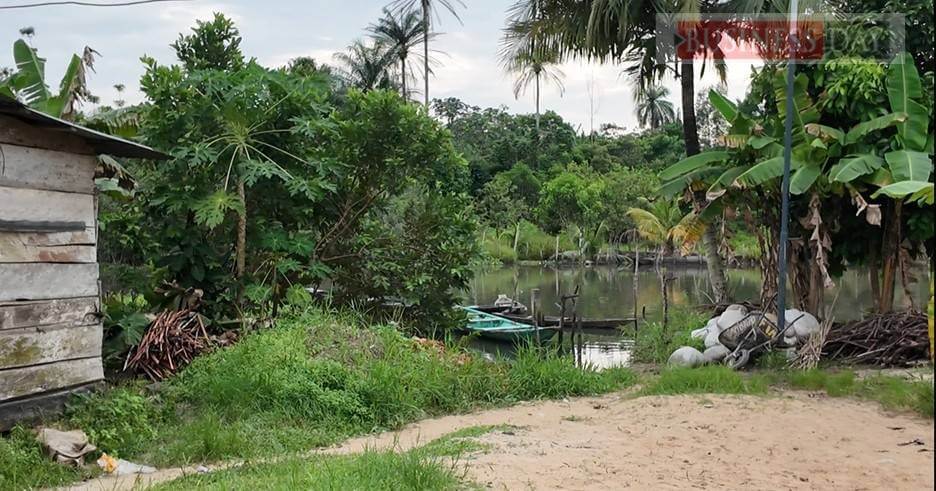
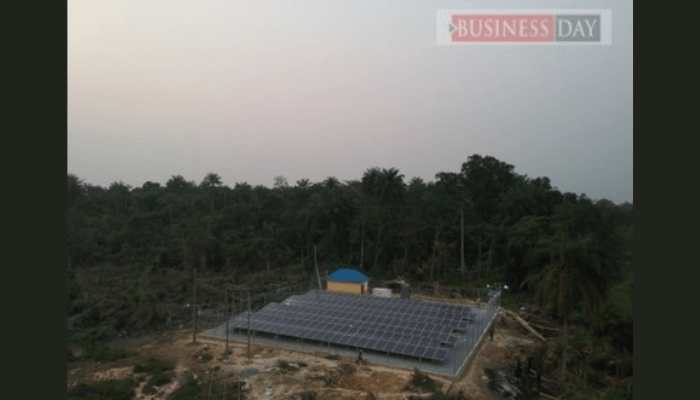
To address this long-standing infrastructure gap, Renewvia Energy deployed a solar-powered minigrid in Akipelai in 2020, bringing structured and scalable electricity access to a previously underserved community. The project was co-financed by Shell’s AllOn, reflecting strong institutional confidence in the viability of distributed solar solutions for rural electrification in Nigeria.
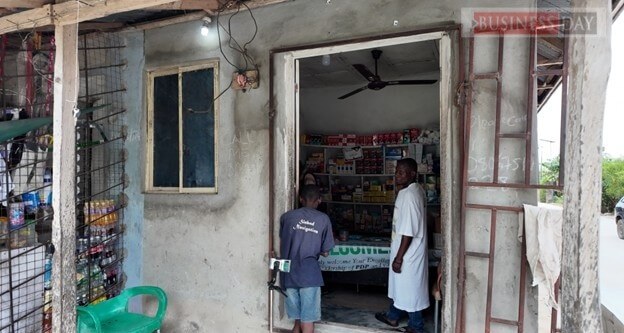
The system uses solar panels paired with lithium-ion battery storage, a design intended to carry communities through the night without diesel backup.
More than 250 households, businesses, schools and churches have since connected to the grid. Customers recharge prepaid meters, much like mobile phone credit, paying only for what they use.
The system delivered immediate and measurable impact, enabling economic activity, improving quality of life, and introducing reliable electricity to a community that had never experienced it.
Steven Devon remembers the first weeks vividly. A pharmacist and businessman who grew up in Akipelai, Devon had never had reliable power from the national grid. Port Harcourt’s distribution companies, the DisCos that nominally serve the region, were, in practice, absent.
“The solar light is the first time electricity is coming to my community,” he said.

He bought a refrigerator almost immediately. He ran it as long as he wanted, recharging his meter often.
For a pharmacist storing medicines and a businessman drawing foot traffic, cold storage and interior lighting were not amenities. They were infrastructure.
Blessing Ofunelo, who runs a provision store in the community, had a similar reaction. Before the minigrid, she had tried petrol generators and diesel alternatives, cycling through the expensive and unreliable options available to small traders across rural Nigeria. Solar ended that calculation, at least initially.
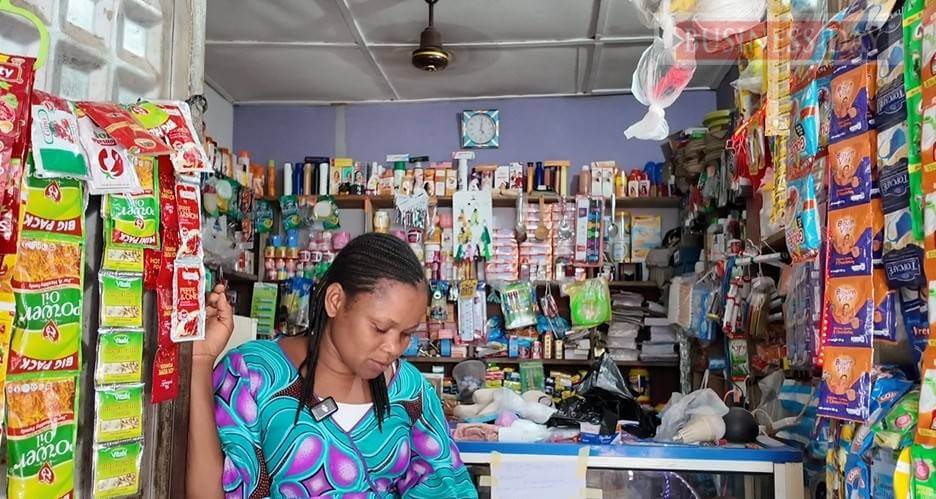
“The solar light is better and cheaper for business compared to petrol and diesel, which I had explored before,” she said. Cold drinks meant stronger sales. Light after dark meant more hours of commerce.
Bashiru Abubakar, a 30-year-old provision and drinks trader from northern Nigeria, went further.
After the panels went up, he purchased two deep freezers. He now sells at least 50 bags of water daily, a volume that would have been unthinkable without consistent refrigeration.
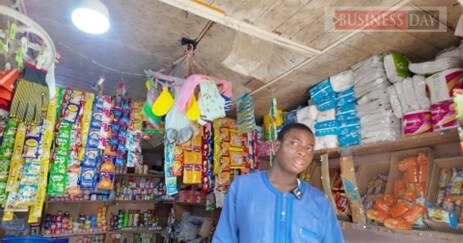
“Solar is better,” he said simply. “It’s better than using a petrol generator.”
The early years appeared to validate everything the mini-grid model promised: local economic activity expanding, appliance ownership rising, merchants reinvesting in productive capacity.
Quadir, who became a Renewvia agent, helping neighbours recharge their prepaid meters, watched the ripple effects in real time.

He was, as he put it, the first to hear complaints. He was also among the first to see what reliable electricity could do to a local economy.
As economic activity expanded and appliance ownership increased, energy demand in the community grew significantly, reflecting the success of electrification and rising commercial productivity.
By Devon’s account, the degradation has been gradual but unmistakable.
Four years in, the minigrid no longer delivers power around the clock. The dry season is particularly difficult. Cuts arrive as early as 8pm.
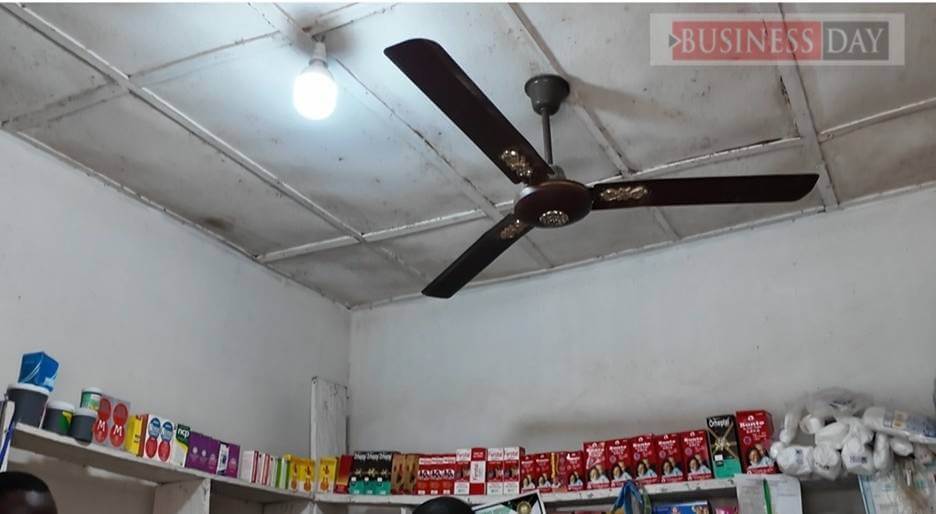
In a community where evening commerce is central to economic life – cold drinks, lit storefronts, pharmacies that stay open after dusk- this is not a minor inconvenience.
“Now the light is not 24 hours a day again due to rising energy demand,” Devon said.
“We don’t enjoy solar at night, but we enjoy it during the day.” He estimates reliable power runs from 8am to roughly 5 pm.
The hours that remain lit are the hours when the sun is helping, peak generation, minimal storage draw. The hours that matter most for nightlife and trade are increasingly dark.
The dynamic he describes is familiar to energy analysts tracking minigrid performance across Africa. Systems commissioned with a fixed capacity often face demand that outpaces initial projections.
Read also: Africa’s biggest solar mini-grid operator secures IFC backing for Nigeria, Congo push
As households acquire refrigerators, freezers, televisions and fans, the exact consumer behaviour that electrification is supposed to encourage, the load grows.
Like many high-impact minigrid deployments, the rapid growth in demand has begun to exceed the system’s original design capacity, highlighting the need for timely expansion to match the community’s evolving energy needs. Scaling generation and storage capacity requires additional investment, a common next phase for successful minigrid projects experiencing accelerated demand growth.
Renewvia has said its Akipelai design was done with scalability in mind, allowing capacity upgrades as demand grows without requiring upfront infrastructure investments from the community. The model, in principle, allows customers to buy more power rather than purchase new equipment. But scaling the supply side, adding panels, adding storage, is a different and more capital-intensive problem. And in the interim, the system prioritises daytime supply while expansion plans are being considered to restore full 24-hour reliability.
Devon is direct about what the shortfall costs him.
“Anytime there is downtime, maybe because of a fault in maintenance, my business usually struggles,” he said. “But if light is restored, my business goes back to boom.” The causal link is not subtle.
Customers stay longer when the lights are on. A lit pharmacy draws foot traffic that a dark one does not. Consistent power, he said, is what he is willing to pay for. Inconsistent power, even cheap inconsistent power, is worth less than it appears on paper.
Read also: FG electrifies 13,000 homes, businesses in Rivers with 12MW solar grids
Ofunelo echoed the frustration with equal precision.
“In days when the solar system had downtime, my business usually feels the effects with poor sales,” she said.
She remains a supporter of the minigrid; it is still better and cheaper than the alternatives, but her praise is now conditional. “They need more effort in making sure it’s 24/7.”
The broader story of African solar minigrids is, in many ways, the story Akipelai tells: genuine transformation undercut by scaling challenges and demand that infrastructure wasn’t sized to meet.
Nigeria had, as of recent counts, among the largest populations of energy-poor people on earth. The government has set ambitious rural electrification targets.
Private operators like Renewvia, Husk Power Systems, and others have raised significant capital on the promise that distributed solar can serve communities that the national grid will never reach.
In theory, the prepaid meter model solves the revenue problem that bankrupted earlier rural electrification schemes: customers pay upfront, operators collect reliable cash flows, and investors see returns.
In practice, the path from theory to consistent 24-hour service has proven uneven. The communities that benefit most from minigrids, the ones with active commercial economies, where merchants buy freezers and extend their trading hours, are precisely the communities most likely to overwhelm initial system capacity. Success creates the conditions for strain.
For Quadir, the solution is more power, not less. He is explicit that he would pay more for reliability.
The generator math is unambiguous: at N1,300 per litre, petrol generators are a losing proposition before the fuel is even purchased. Solar, even imperfect solar, beats that alternative decisively.
“Constant solar light is good for my business because cold drinks are easy to sell,” he said. He is not asking for solar to be perfect. He is asking for it to reach midnight.
What Akipelai illustrates, in concentrated form, is the gap between electrification and energy security, a distinction that development economists have increasingly tried to make legible to policymakers and investors alike.
Connecting a household or business to a minigrid counts, in most metrics, as electrification. It appears in the ledgers of progress. But connection that delivers power for nine hours and goes dark at 8pm is a different product than connection that holds through the night.
Devon’s pharmacy, Ofunelo’s cold drinks, Abubakar’s fifty daily bags of water, Quadir’s bar full of evening customers, all of these require not just electricity but electricity when it is needed. The economy that has grown up around the Akipelai minigrid is an economy built on the assumption of more power than the system currently delivers.
There is no hostility toward the minigrid in Akipelai. The testimonies here are not complaints but negotiations. The community has seen enough to want more. Devon went and bought a refrigerator. Abubakar bought two deep freezers. These are acts of faith in a technology and a business model. They are also sources of demand that the system must now meet. The Akipelai project represents a scalable model for rural electrification across Nigeria, where increasing demand signals both economic growth and the need for continued investment in energy infrastructure. With demand in Akipelai continuing to grow, Renewvia is currently engaging financing partners to support system expansion, including additional solar generation and battery storage, to ensure reliable 24-hour power supply for the community.
“We are really enjoying the solar lights,” Ofunelo said, “and we are always willing to recharge, but we need it to be reliable.”
That sentence is both a customer endorsement and a business case. Willingness to pay exists. The demand is real. The community has reorganised economic activity around the expectation of power. What remains is the supply side: whether the capital follows the demand, whether the system scales as its designers intended, whether the batteries get bigger before more merchants buy more freezers and the evenings get darker still.
Quadir locks up his bar when the power goes. The cold drinks warm slowly. Somewhere across the water, in the dark between the mangroves, a generator coughs to life.

Join BusinessDay whatsapp Channel, to stay up to date
Open In Whatsapp