Sungrow Power Supply Co., the Chinese manufacturer that ranks as the world’s top seller of solar inverters and battery storage, is rolling out a new lineup of home and commercial energy systems in Nigeria, betting that grid failures and diesel costs will keep pushing the country toward solar power.
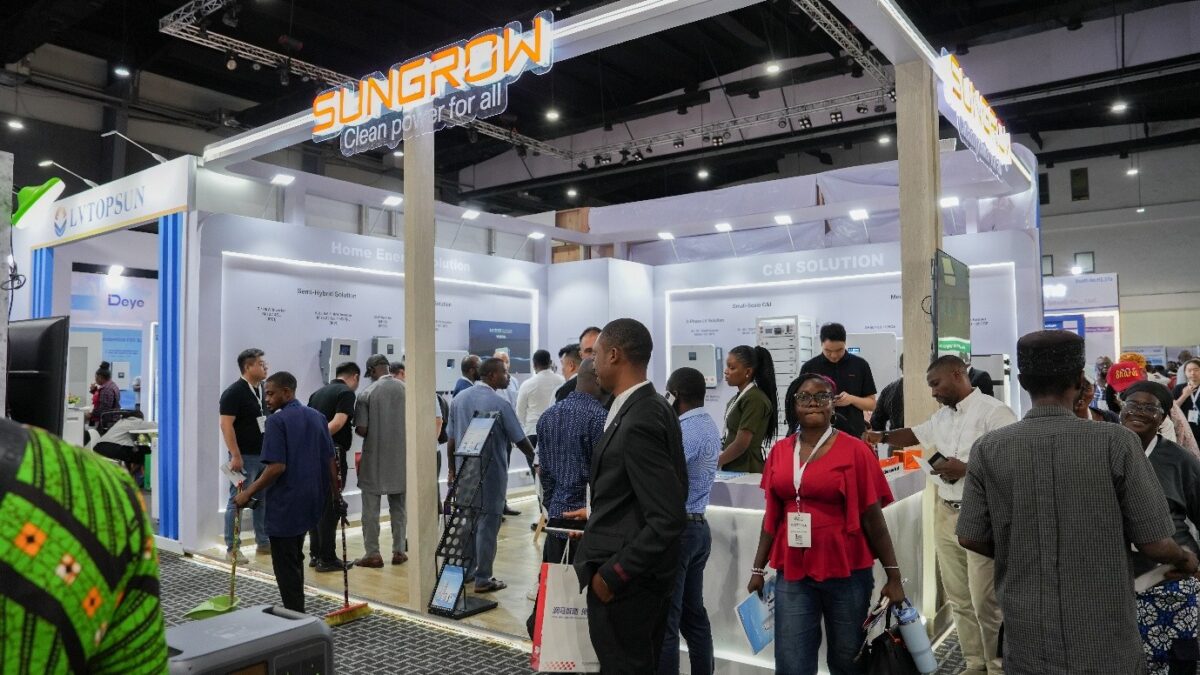
The company is serving as registration sponsor of Solar & Storage Live Nigeria 2026, where it plans to showcase residential, commercial and industrial hardware designed around how Nigerians actually consume power, short bursts of household demand on one end, round-the-clock factory loads on the other.
It’s Sungrow’s third push into the Nigerian market, one of the continent’s fastest-growing for solar. Nigeria’s national grid remains prone to collapses, and diesel generators, long the default backup for homes and businesses, have gotten more expensive to run as fuel subsidies have been rolled back. That combination has sent both households and companies shopping for rooftop panels and batteries.
“Nigeria is one of Africa’s most exciting and fastest-growing solar markets, with rising demand for reliable, affordable energy across homes, businesses and communities,” said Nigel Sun, president of Sungrow Sub-Saharan Africa.
For homeowners, the company is introducing single-phase, low-voltage hybrid and semi-hybrid systems that pair rooftop panels with battery storage, allowing a household to keep the lights on during an outage while trimming its monthly power bill. Sungrow says the lineup is deliberately varied in size and price so buyers can scale a system to their budget rather than being locked into one configuration.
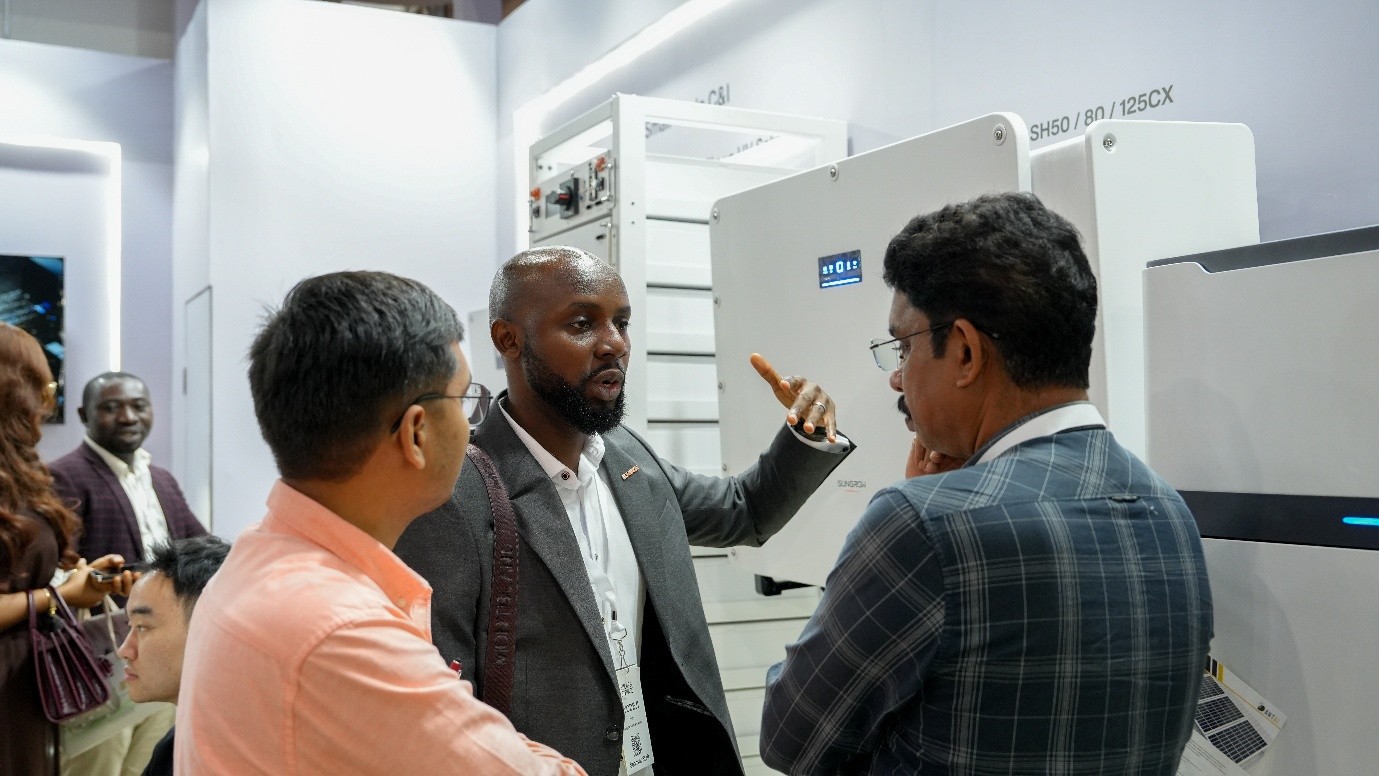
On the commercial and industrial side, Sungrow is bringing three-phase, high- and low-voltage hybrid systems designed to store solar power and keep operations running during blackouts, reducing reliance on diesel gensets that many Nigerian businesses still run as their main source of backup power.
For medium-sized factories and commercial sites, the company is highlighting its SH125CX hybrid inverter, paired with either its PowerKeeper modular battery or PowerStack cabinet battery. The pitch centres on so-called peak shaving, trimming a site’s peak electricity draw to lower demand charges, along with automated load management and a battery switchover time of under 10 milliseconds, fast enough that machinery shouldn’t notice the grid has dropped. Sungrow says the setup is meant to cut both electricity and diesel spending for factories that can’t afford downtime. For utility-scale solar farms, the company is also showing its SGCX and SGHX grid-tied inverter series.
“Our participation reflects Sungrow’s commitment to bringing proven solar and storage technology that gives Nigerian customers greater energy independence and lower costs,” Sun said, adding that the company wants to deepen ties with local installers, distributors and partners as it expands.
Sungrow said it is working through a network of local installers, distributors and engineering, procurement and construction firms rather than selling directly, a distribution approach it has used elsewhere on the continent. Company technical and sales staff will staff the exhibition stand throughout the show to field questions from installers, developers and business owners, and will also display the firm’s electric-vehicle charging equipment — part of what it calls a broader push into solar, storage and mobility as a single ecosystem.
Founded 29 years ago, Sungrow says it had installed more than 1,000 gigawatts of power electronics worldwide as of December 2025. BloombergNEF has ranked it the world’s most bankable maker of both PV inverters and energy storage systems, a designation the industry uses as shorthand for which suppliers banks are most willing to finance. The company says it now backs its equipment with roughly 520 service outlets globally.


Join BusinessDay whatsapp Channel, to stay up to date
Open In Whatsapp