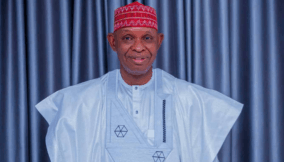
The Central Bank of Nigeria (CBN) says it will work with the Chartered Risk Management Institute (CRMI) to build a safer and more resilient financial system in Nigeria.
Godwin Emefiele, governor of the CBN said this in Lagos at the inauguration of CRMI which was formally known as the Risk Management Association of Nigeria (RIMAN).
Represented by Blaise Ijebor, CBN’s director of risk management department, he said the continuous build out of risk management structures across organizations in the financial system would help to promote and ensure the safety and stability of the financial institutions and the country in general.
More importantly, he said it would help to engender trust in the financial institutions amongst ordinary Nigerians.
“I want to assure you that the Central Bank of Nigeria is committed to these same goals, and we intend to work with CRMI in working to build a safer and more resilient financial system in Nigeria,” he said.
Read also: Stock market dips by 0.48% in week ended May 12
He called on risk professionals in the financial industry to broaden their scope of risk management practices citing the advent of emerging risks.
The CBN governor said there is need for financial institutions to adapt and evolve their risk management frameworks to effectively address emerging risks and challenges noting that with the rapid advancement of technology and changing dynamics in the financial sector, it has become imperative for risk professionals to expand their expertise beyond traditional areas such as credit and liquidity risk.
He said the CBN is committed to fostering a robust risk management culture within the industry by enabling the identification, assessment, and mitigation of risks at both institutional and system-wide levels.
“The Central Bank of Nigeria from its inception has increasingly emphasized the need for financial institutions to build out risk and compliance teams. Initially focusing on credit, liquidity and prudential risk management, the lessons learned from previous major risk events such as the Global Financial Crisis, along with greater utilization of digital channels in the provision of financial services have increased the scope and practice of risk management in the Financial Services Industry. Today we have very mature formal structures in place for identifying, assessing, and aggregating risks to enable the formation of an enterprise-wide view of the risks that are associated with financial services and the operations of the Central Bank. We have also put in place measures to effectively manage these risks,” Emefiele said.
Ezekiel Oseni, president CRMI said that the event marks a significant day in the history of risk management in Nigeria as they inaugurate the Chartered Risk Management Institute of Nigeria; an organisation dedicated to promoting the highest standards of risk management practices in Nigeria.
“As we inaugurate this Institute, we do so with a clear vision and our mission is to promote excellence, innovation, and professionalism in risk management, to advocate for the interests of our members, to contribute to national development, to add value to industries and corporates, as well as entrenching best risk management practices in the public sector, and to foster collaboration and networking among relevant professionals, institutes and association,” Oseni said.
He urged all government institutions to adopt exemplary risk management practices in all their dealings and cited it is crucial for them to embrace effective risk management approaches across their operations.
“We also call on all government institutions to embrace excellent risk management practices in all its transactions. Governments are faced with a wide range of risks, including those related to national security, economic stability, and social welfare. The government has a responsibility to ensure that public resources are managed effectively and efficiently. Excellent risk management practices will help governments to identify, evaluate, and manage risks in a timely and effective manner,” he said.

Join BusinessDay whatsapp Channel, to stay up to date
Open In Whatsapp