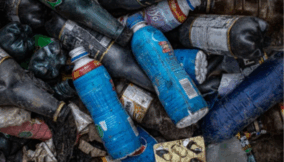
At a time when many Nigerian states sit on rising revenues with little to show in transformative infrastructure, Oyo State is charting a path that deserves both attention and emulation. Its ambitious plan to generate 120 megawatts of electricity from waste at a 44-acre facility in Elere Village is more than an environmental intervention; it is a strategic declaration of energy independence and economic foresight.
For decades, Nigeria’s development story has been held hostage by an unreliable national grid. Businesses run on diesel, households endure erratic supply, and industries operate far below capacity. The overdependence on centralised power has not only stifled productivity but also discouraged investment. In this context, Oyo’s waste-to-energy initiative signals a necessary shift – sub-national governments taking control of their energy destiny.
The logic is compelling. Waste is abundant, particularly in urban centres like Ibadan, the state capital. Instead of constituting an environmental nuisance, it can be transformed into a steady source of power, fuel, and industrial inputs. The Elere facility is designed to do precisely this: convert municipal waste into electricity, biofuel, fertiliser, and construction materials, while achieving up to 97 per cent material recovery. This is not just waste management; it is resource optimisation at scale.
More importantly, this approach addresses two critical challenges simultaneously – energy scarcity and environmental degradation. Nigeria’s cities are increasingly burdened by unmanaged waste, leading to flooding, health hazards, and urban decay. By turning waste into energy, Oyo is effectively killing two birds with one stone, cleaning its environment while powering its economy.
The importance of reducing dependence on the national grid cannot be overemphasised. Across the world, regions that have embraced decentralised energy systems have reaped enormous benefits. In Germany, waste-to-energy plants form a key component of the nation’s renewable energy mix, supplying electricity and heat to millions of homes while drastically reducing landfill use. Similarly, Sweden has perfected the model to the extent that it imports waste from other nations to fuel its energy plants, turning trash into a valuable commodity.
“States that continue to rely solely on the national grid will remain trapped in a cycle of inefficiency and economic stagnation. Those that invest in alternative energy sources (solar, gas, and waste-to-energy) will gain a competitive edge in attracting industries and creating jobs.”
Closer to emerging economies, India has deployed waste-to-energy facilities in cities like Delhi and Hyderabad to address both urban waste crises and power shortages. While challenges remain, the model has proven that even densely populated, developing regions can leverage waste as a reliable energy source.
For Nigeria, the lesson is clear: energy diversification is no longer optional; it is imperative. States that continue to rely solely on the national grid will remain trapped in a cycle of inefficiency and economic stagnation. Those that invest in alternative energy sources (solar, gas, and waste-to-energy) will gain a competitive edge in attracting industries and creating jobs.
Oyo State appears to understand this reality. Beyond the Elere project, its broader energy strategy, including hybrid solar-gas systems, mini-grids for rural communities, and regulatory reforms, demonstrates a coherent vision. The signing of its electricity regulatory framework into law further underscores a readiness to operate as a sub-national energy market, independent yet complementary to the national system.
The economic implications of this approach are significant. Waste-to-energy projects create jobs across multiple value chains, from waste collection and sorting to plant operation and by-product utilisation. They also stimulate local industries, particularly in construction and agriculture, through the production of materials like ash-based inputs and organic fertilisers.
Equally important is the impact on public finances. As the Commissioner for Environment rightly noted, the funds currently spent on evacuating waste could be redirected to more productive uses if waste is systematically harnessed as an economic resource. In essence, what was once a cost centre becomes a revenue-generating asset.
However, for this initiative to succeed, certain conditions must be met. There must be strict enforcement of waste management regulations to ensure a steady and organised supply of input materials. Indiscriminate dumping not only undermines the system but also increases operational inefficiencies.
Public awareness and participation are crucial. Residents must see waste not as something to discard carelessly but as a valuable input in a broader economic cycle. Collaboration with accredited waste collectors and adherence to environmental laws will determine the long-term sustainability of the project.
Also, transparency and technical integrity must be maintained. Waste-to-energy projects globally have faced criticism where environmental safeguards were weak. Oyo must ensure that emissions, ash disposal, and water quality are managed according to international best practices to maintain public trust.
Ultimately, the Elere project represents more than a technological innovation; it is a governance statement. It reflects what is possible when sub-national entities move beyond short-term thinking and invest in systems that generate lasting value.
Nigeria’s future will not be built solely in Abuja; it will be shaped in states that dare to innovate. By converting waste into wealth and power, Oyo is not just solving today’s problems; it is laying the foundation for a cleaner, more resilient, and energy-secure tomorrow.
If sustained and replicated, this model could redefine how Nigeria powers its cities and manages its resources.

Join BusinessDay whatsapp Channel, to stay up to date
Open In Whatsapp