Nigeria’s battle against environmental degradation is both necessary and overdue. From clogged drainage channels and urban flooding to plastic-littered waterways and polluted coastlines, the environmental cost of poor waste management has become impossible to ignore. Yet, as the Federal Government moves to implement the National Environmental (Plastic Waste Control) Regulations 2026, concerns raised by the Manufacturers Association of Nigeria (MAN) deserve careful consideration. The issue is no longer whether Nigeria should tackle plastic pollution, but how it should do so without creating unintended economic damage.
The proposed regulations seek to prohibit single-use plastics below 80 microns in thickness and impose taxes on certain categories of shopping bags. The objective is good because across the world, governments are introducing measures to reduce plastic pollution and encourage sustainable consumption. However, public policy is most effective when it achieves environmental goals without undermining economic stability, employment, and industrial growth.
Nigeria’s plastic manufacturing industry occupies a critical position in the economy. Beyond the factories that produce plastic products, the sector supports thousands of small and medium-sized enterprises, distributors, recyclers, transporters, retailers, and informal workers. It forms part of a broader manufacturing ecosystem already struggling under the weight of inflation, rising energy costs, foreign exchange volatility, multiple taxes, and infrastructure deficits.
The immediate implication of an outright ban on thin plastics could be significant job losses. Manufacturers that have invested billions of naira in machinery, production lines, and raw materials designed for these products may face stranded assets and reduced production capacity. Smaller businesses operating on thin profit margins could be pushed out of operation altogether.
Such a development would come at a particularly difficult time for Nigeria’s economy. Unemployment and underemployment remain major concerns, while manufacturing’s contribution to economic growth continues to face pressure from rising costs of production. Any policy that threatens industrial activity must therefore be subjected to rigorous scrutiny.
Consumers would also feel the impact. Businesses rarely absorb major regulatory costs without passing some of them on to buyers. If manufacturers are forced to switch to more expensive alternatives without adequate transition support, prices of packaged goods, food products, retail items, and household commodities are likely to rise further. This could worsen the cost-of-living crisis already confronting millions of Nigerians.
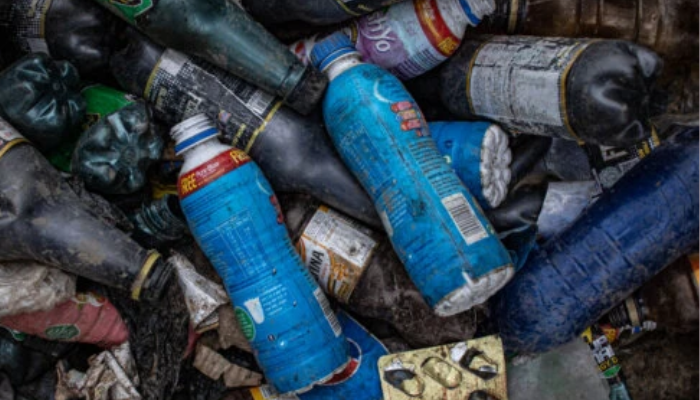
However, the environmental argument cannot be dismissed. Plastic waste remains one of the most visible forms of pollution in Nigeria. Drainage systems blocked by discarded plastics contribute to urban flooding, while waterways and oceans suffer from increasing contamination. Poor waste disposal practices have also created health hazards in many communities.
The challenge, therefore, is not whether action should be taken but whether the proposed approach addresses the root causes of the problem.
One of the strongest points raised by MAN is the apparent failure to fully implement the Plastic Circularity Roadmap developed under the National Plastic Action Partnership (NNPAP) in 2024. That roadmap outlined a comprehensive strategy focused on waste collection, recycling infrastructure, Extended Producer Responsibility (EPR), public awareness, and circular economy initiatives.
Unfortunately, many of these measures remain either partially implemented or entirely unrealised. Proceeding directly to a prohibition regime without first exhausting these options risks treating the symptoms rather than the underlying causes of plastic pollution.
The experiences of countries such as Kenya and Bangladesh offer useful lessons. While plastic bans generated headlines and demonstrated political commitment, the environmental outcomes were often mixed where waste management systems remained weak. In many cases, illegal alternatives emerged, enforcement became difficult, and environmental gains fell short of expectations.
The ideal situation for Nigeria is not a simple ban but a functioning circular economy. In such a system, plastic products are collected efficiently after use, recycled into new materials, and reintroduced into the production cycle. Manufacturers, consumers, waste collectors, recyclers, and regulators all play defined roles in reducing environmental harm while preserving economic value.
To achieve this, the government must first conduct a comprehensive Regulatory Impact Assessment (RIA) as demanded by stakeholders. Such an assessment should evaluate the economic, social, environmental, and employment implications of the proposed regulations. Evidence-based policymaking is essential if Nigeria hopes to avoid costly policy mistakes.
Secondly, authorities should strengthen the Extended Producer Responsibility framework, ensuring that manufacturers take responsibility for the collection and recycling of products after consumption. This approach has proven effective in many countries because it addresses waste management without abruptly disrupting production.

Join BusinessDay whatsapp Channel, to stay up to date
Open In Whatsapp