For decades, Nigeria has travelled the world promoting the same investment story: vast oil reserves, abundant natural gas, a strategic location and a large market. Successive governments have organised investment roadshows, signed memoranda of understanding and promised reforms to attract capital into the petroleum sector. Despite being Africa’s largest crude oil producer, Nigeria has struggled to convert investor interest into sustained investment, higher production and broad-based economic growth.
The Federal Government’s latest effort to attract global investors, highlighted at the Nigerian-British Chamber of Commerce Energy Day, raises an important question: after years of courting investors, has Nigeria created the conditions that turn investment commitments into lasting prosperity?
“Despite possessing one of the world’s largest natural gas reserves, millions of Nigerians still lack reliable electricity. Businesses continue to rely on generators, raising production costs and reducing competitiveness.”
There have been notable improvements. The enactment of the Petroleum Industry Act (PIA) marked one of the most important reforms in the sector. For years, uncertainty over fiscal terms, regulation and governance discouraged investment. The PIA provided a clearer legal and commercial framework, offering investors greater certainty and improving the sector’s competitiveness.
Recent reforms under the Bola Tinubu administration have also reshaped the investment environment. The removal of fuel subsidies reduced fiscal pressures, while the unification of foreign exchange windows addressed a long-standing concern among investors. Together, these measures signalled a commitment to tackling structural challenges that had weakened confidence in the sector.
Some results are already visible. Delayed upstream projects are gradually moving forward, while indigenous companies such as Aradel Holdings, Seplat and Oando have expanded their operations following the divestment of several international oil companies from onshore assets. Nigeria has also begun to strengthen domestic refining capacity, reducing its dependence on imported petroleum products and easing pressure on foreign exchange.
These are encouraging developments, but they represent only part of the picture.
Nigeria continues to produce well below its historical potential. Crude oil theft, pipeline vandalism, insecurity and regulatory bottlenecks remain major constraints. Although the country once targeted production above 2.5 million barrels per day, maintaining output above 1.7 million barrels remains difficult. Many investors therefore continue to adopt a cautious approach, waiting for greater stability before committing long-term capital.
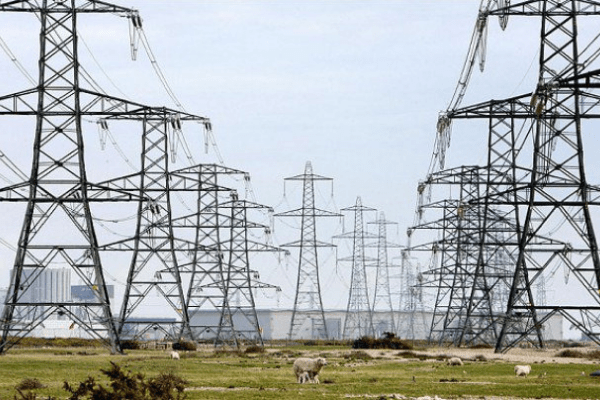
Equally troubling is the contradiction between Nigeria’s energy wealth and persistent energy poverty. Despite possessing one of the world’s largest natural gas reserves, millions of Nigerians still lack reliable electricity. Businesses continue to rely on generators, raising production costs and reducing competitiveness. This disconnect between abundant resources and poor economic outcomes has long defined the country’s energy sector.
The objective should not simply be to attract investors to drill more oil wells. Nigeria must build an integrated energy economy where investments stimulate industrialisation, expand electricity generation, create jobs and improve living standards. Success should be measured not by the number of investment conferences held or agreements signed, but by the extent to which the country’s natural resources generate value for its citizens.
Natural gas presents perhaps the greatest opportunity. As countries transition towards cleaner energy, gas is increasingly recognised as a bridge fuel. With sustained investment in gas infrastructure, Nigeria can supply domestic industries, power plants, regional markets and export destinations. Gas-powered industrial clusters could reduce energy costs, strengthen manufacturing and create employment across multiple sectors.
Realising this potential will require policy consistency. Investors are attracted not only by resource endowments but also by predictable regulations. Frequent policy reversals, bureaucratic delays and regulatory uncertainty can quickly erode confidence. The government must demonstrate that ongoing reforms are durable and institutionally grounded.
Security is equally important. Investments worth billions of dollars cannot thrive where crude theft, pipeline vandalism and community unrest remain persistent risks. Strengthening security across oil-producing communities should remain central to Nigeria’s energy strategy.
Infrastructure must also keep pace. Pipelines, gas processing facilities, storage infrastructure, transmission networks and export terminals require sustained investment if the sector is to realise its full potential. Public-private partnerships can play an important role in closing these gaps.
Ultimately, Nigeria’s future lies not only in extracting crude oil but also in creating more value from it. Expanding refining, petrochemicals, fertiliser production, gas processing and other downstream industries will generate more jobs, strengthen exports and build a more resilient economy. The era of courting investors should now give way to delivering measurable prosperity.

Join BusinessDay whatsapp Channel, to stay up to date
Open In Whatsapp