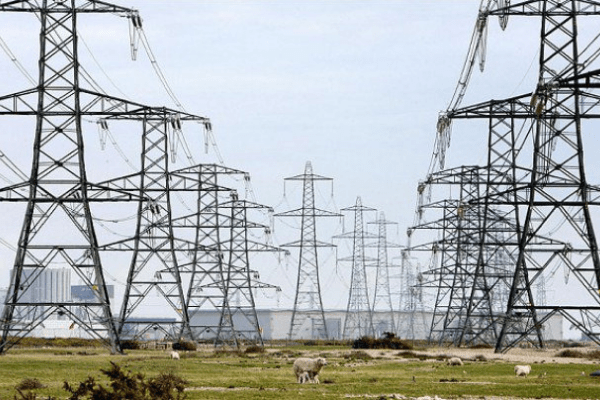
Nigeria’s micro, small and medium enterprises (MSMEs) are once again under intense economic pressure. As if soaring inflation, weak consumer purchasing power, multiple taxes and high borrowing costs were not enough, unreliable electricity and rising fuel prices are pushing many businesses to the brink. For thousands of entrepreneurs, the challenge is no longer expansion or profitability but survival.
Recent reports paint a troubling picture. Food processors, frozen food traders, digital marketers, hairdressers and welders are all struggling to cope with rising energy costs. Many are reducing production, cutting staff or shutting down altogether. Energy has become one of the biggest threats to enterprise sustainability in Nigeria.
The consequences extend far beyond individual businesses. MSMEs contribute nearly half of Nigeria’s Gross Domestic Product and provide a significant share of employment. When these businesses struggle, the wider economy feels the impact. Every business closure, every reduction in output and every abandoned enterprise translates into fewer jobs, lower household incomes and weaker economic activity.
One immediate consequence is rising unemployment. Small businesses remain one of Nigeria’s largest sources of employment. As operating costs continue to climb, many business owners are forced to reduce their workforce or suspend recruitment. This deepens unemployment and places greater pressure on already strained family and community support systems.
Higher energy costs also fuel inflation. Businesses inevitably pass increased operating expenses to consumers. The rising prices of fish, poultry and other essential goods illustrate how energy costs quickly filter into market prices. Consumers, already weakened by inflation and currency depreciation, pay more for necessities, reducing demand and further squeezing business revenues.
Manufacturing faces similar challenges. The Manufacturers Association of Nigeria has repeatedly noted that energy accounts for a substantial share of production costs. When manufacturers spend a significant proportion of their operating expenses generating their own electricity, competitiveness suffers. Locally produced goods become more expensive, making it harder for Nigerian industries to compete with imported alternatives or expand exports.
Another long-term concern is the erosion of entrepreneurship. As formal employment opportunities decline, many young Nigerians have turned to self-employment. But when businesses fail because of unreliable infrastructure rather than poor management, confidence in entrepreneurship weakens. Investors become more cautious, while aspiring entrepreneurs may abandon their ambitions altogether.
This raises an important question: what should the ideal business environment look like?
In a functional economy, businesses should have access to reliable and affordable electricity from the national grid. Entrepreneurs should devote their energy to improving productivity, serving customers and growing their businesses instead of spending valuable time and resources on generators and fuel. Energy should strengthen competitiveness, not undermine it.
Industrial clusters, markets and commercial districts should enjoy a stable electricity supply. Small businesses should also have access to affordable financing for renewable energy solutions such as solar power, while government policies should reduce rather than increase the cost of doing business.
Achieving this requires deliberate action. Nigeria must accelerate power sector reforms and end its dependence on generators as a substitute for public electricity. Greater investment in power generation, transmission and distribution should become a national priority. State governments, now empowered by recent constitutional and regulatory reforms, should pursue independent power projects capable of supporting local industries and commercial centres.
Renewable energy also offers immediate opportunities. Expanding solar mini-grids and embedded power solutions can reduce operating costs for many small businesses. The government can encourage this transition through tax incentives, import duty waivers on renewable energy equipment and low-interest financing tailored to MSMEs.
At the same time, policymakers must confront the broader cost-of-doing-business crisis. Multiple taxation, high interest rates, administrative bottlenecks and policy inconsistencies continue to discourage enterprise growth. A coordinated strategy that combines tax relief, easier access to credit and improved infrastructure would provide much-needed support for businesses already operating under severe constraints.
The government must recognise that MSMEs are more than private enterprises. They are engines of employment, innovation and economic growth. Protecting them is not an act of charity. It is an economic necessity.

Join BusinessDay whatsapp Channel, to stay up to date
Open In Whatsapp