- Wednesday, June 10, 2026


BusinessDay
Africa is expected to see fewer countries grappling with double-digit inflation by 2026, with the number projected to fall to...
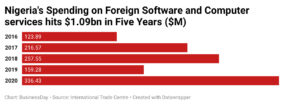
Global supply disruptions driven by escalating geopolitical tensions and a surge in oil prices have once again exposed Nigeria’s heavy...

The Federal Government has reduced import tariffs on crude palm oil to 28.75 per cent from 35 per cent, a...

Many large businesses risk sanctions if they fail to connect their invoicing systems to the Nigerian Revenue Service’s electronic invoicing....

Nigeria’s push to implement e-invoicing is forcing businesses to rethink not just how they file taxes but also how they record revenue......
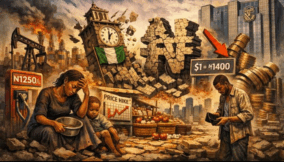
Nigeria is paying today for reforms delayed over many years. Under the ‘Renew Hope Agenda,’ those overdue economic adjustments are...

Nigeria’s new tax rules are changing how insurance companies calculate their profits, closing gaps that previously reduced tax payments and...

Nigerian businesses can no longer treat stamp duty as a routine formality. Under the Nigeria Tax Act (NTA), failing to...

Investors strong demand for longer-dated Nigerian Treasury Bills pushed the one-year yield down to 16.20 percent at the Central Bank...

Sub-Saharan Africa’s economic recovery from a decade of global shocks is showing signs of stalling, with growth projections for 2026...
Nigeria’s plan to tax small businesses based on turnover rather than profit is raising concerns about whether small and informal...

Nigeria’s foreign exchange stability came under renewed strain in March as global risk aversion and weakening capital inflows combined to...
…fell to 47.7 in March 2026, weakest in Africa Kenya’s private sector activity slipped to its weakest level in eight...

Nigeria’s business environment continued to expand in March 2026 but slowed as rising input costs and power supply deficits weighed...

For decades, Africa’s economic identity was anchored in a familiar triumvirate: South Africa, Egypt, and Nigeria. Together, these three nations...