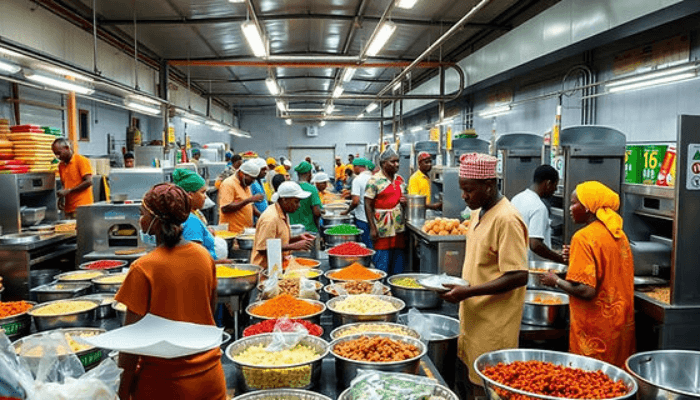
Many people assume the food industry begins and ends in the kitchen. When people think of food careers, they imagine chefs, caterers, bakers or restaurant owners. Yet the modern food industry is far broader than that. Behind every successful restaurant, packaged snack, delivery company or food brand, there are people who never handle ingredients, never taste-test recipes and never stand behind a stove. Their work keeps the industry functioning, growing and adapting to new consumer demands.
These non-cooking careers are becoming even more important as food businesses rely heavily on digital tools, logistics networks, branding strategies, research support and customer communication. If you cannot cook or simply have no interest in culinary skills, you can still build a respected, long-term career in food. Many of these paths require creativity, organisation, communication, research or technical skills. They are open to both young graduates and mid-career professionals looking to transition.
Here are ten career paths and what you need to start each one.
Food photographer
Food photography plays a major role in how restaurants and food businesses present themselves. To begin a career in this field, you can start by practising with simple meals at home, using your phone or a basic camera to understand lighting, composition and angles. Over time, you can improve your editing skills through online courses in Adobe Lightroom or Photoshop and gradually build a portfolio. Many new photographers gain experience by offering free or low-cost shoots to small food vendors or home-based chefs who need clear images for menus or social media. As you grow, you can approach restaurants, cafés, packaged food brands and marketing agencies. Strong attention to detail, reliable organisation and consistency in editing will help you stand out, and learning basic photography principles through formal or online classes will strengthen your foundation.
Social media manager for food brands
Managing social media for food brands involves creating content, planning posts and tracking engagement across platforms. You can begin by experimenting on your personal page, creating sample food content to demonstrate your style and understanding of online trends. Many people enter the field by managing accounts for small food businesses, which gives them hands-on experience in scheduling posts, responding to customers and interpreting analytics. Courses in digital marketing, content strategy, SEO writing and analytics can help you understand audience behaviour and plan effective campaigns. Good communication skills, a consistent posting routine and the ability to analyse performance data are essential. Once you develop a solid portfolio, you can work with restaurants, packaged food brands, delivery platforms or food influencers.
Food stylist
A food stylist helps prepare sets for photography and advertising shoots. This role does not require cooking but does involve organisation, careful arrangement and attention to detail. You can start by reaching out to food photographers or stylists to volunteer or shadow them during shoots. Many stylists accept beginners who are reliable and willing to learn. Practising simple arrangements at home and taking pictures can help you develop an eye for presentation. Courses in visual merchandising, creative direction or basic styling can provide structured knowledge. Over time, assistants learn how props, lighting and equipment work together. This path can lead to opportunities with advertising agencies, photography studios and large food brands that require frequent product shoots.
Food content writer
Food content writing includes creating menu descriptions, product stories, blog posts, newsletters and packaging copy. To start, you can write sample pieces that show your ability to describe products clearly and accurately. Building a small online portfolio helps potential clients see your work. Courses in copywriting, SEO writing, brand storytelling and digital communication can help you improve your structure and clarity. Food businesses often value writers who can interpret customer needs and translate them into simple, engaging text. Strong research skills, consistency and the ability to explain food concepts in everyday language are essential. As you gain confidence, you can write for restaurants, food magazines, digital agencies and food product companies.
Food operations manager
Operations roles keep the daily activities of food businesses running smoothly. This includes managing stock, tracking orders, monitoring supplies and coordinating with staff. You can enter this field through entry-level administrative roles in restaurants, catering companies or food factories. Over time, you learn how each part of the organisation works. Courses in business administration, supply chain basics, Excel, project management and customer service can help you build the technical skills required. Success in operations requires strong organisation, problem-solving ability and clear communication. With experience, operations manager often advance to supervisory or managerial positions, especially in fast-paced environments like delivery kitchens or supermarkets.
Food safety and hygiene officer
Food safety officers ensure that businesses follow hygiene and safety regulations. You can start by taking a recognised food hygiene certification and progress to higher levels for more advanced knowledge. Understanding storage procedures, temperature control and documentation is essential. Courses in HACCP, public health, microbiology basics or quality control help strengthen your foundation. This role requires attention to detail, confidence in reporting issues and strong record-keeping. Many start in entry-level compliance roles before moving into inspection or audit positions. Food safety officers are needed in factories, restaurants, hospitals, schools and regulatory agencies.
Supply chain and logistics officer
Supply chain officers help food products move smoothly from suppliers to manufacturers and finally to consumers. You can start by working in a warehouse, delivery company or supermarket where you gain practical experience with dispatch and stock management. Courses in logistics, inventory control, Excel and data analysis can prepare you for more advanced roles. Planning, communication and accuracy are crucial. As you build experience, you can work with food factories, distribution centres, delivery platforms or large retailers. This role suits people who enjoy organisation and fast-paced environments.
Food product research assistant
Research assistants support food scientists by collecting data, coordinating trials, handling samples and documenting test results. You can start by applying for junior roles in food manufacturing companies or research facilities. Many employers provide training, but basic knowledge of food science, biology or chemistry is an advantage. Courses in research methods, quality control, food science fundamentals and lab safety can help you grow. This role requires accuracy, curiosity and comfort with structured procedures. With experience, research assistants can move into full product development or quality assurance roles.
Packaging and labelling specialist
Packaging and labelling specialists ensure that food packaging is clear, compliant and practical. To enter this field, you can learn basic design tools and study regulatory requirements for food labels. Creating sample packaging concepts for practice helps build a portfolio. Courses in graphic design, regulatory labelling, branding and packaging technology provide essential knowledge. Strong writing skills, accuracy and the ability to follow legal guidelines are important. Specialists often work with food manufacturers, branding agencies, supermarkets and packaging companies.
Customer experience
Customer experience roles focus on managing customer questions, resolving complaints and tracking feedback. You can begin with customer service roles in food businesses and gradually build stronger communication and conflict-resolution skills. Courses in customer service management, communication techniques and CRM software can strengthen your abilities. This role requires patience, clear communication and good organisation. Customer experience leads help businesses understand patterns in customer behaviour and improve their services. They work in restaurants, delivery companies, packaged food brands and supermarkets, and many eventually move into operations or marketing roles.

Join BusinessDay whatsapp Channel, to stay up to date
Open In Whatsapp