Nigeria is set to launch a comprehensive coffee revival plan, aiming to revitalize its dormant coffee industry, boost exports and create jobs.
The initiative, announced at the inauguration of the Nigeria Coffee Revival Initiative (NCRI) steering committee, seeks to address decades of neglect and underinvestment in the sector.
With global demand for specialty coffee surging, Nigeria sees an opportunity to reclaim its place among the world’s top coffee producers.
The plan focuses on farm rehabilitation, improved seedlings, and modern processing infrastructure to enhance quality and compliance with international standards.
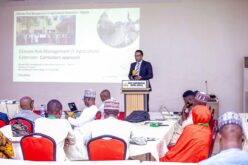
In his goodwill message at the inauguration of the NCRI in Ibadan recently, Abubakar Kyari, Nigeria’s Minister of Agriculture and Food Security, described the coffee revival plan as an immediate remedy to rural poverty and unemployment.
“The revitalization of Nigeria’s coffee industry is not just a nostalgic pursuit of old agricultural glories,” said Kyari, who was represented by Samson Adetunji, Oyo state coordinator, FMAFS.
“It is a strategic, non-negotiable imperative for sustainable economic growth, aggressive export development and climate resilience,” he added.
He stressed the need for value addition within Nigeria, noting that the country must move beyond exporting raw beans. “We must move away from exporting raw beans and focus on adding value locally,” he said.
Kyari explained that the government aims to create a transparent supply chain, meeting EU Deforestation Regulation (EUDR) standards and accessing premium markets.
With projections indicating Nigeria could generate over $2 billion annually from coffee exports, the revival plan is expected to drive economic growth, create jobs, and reduce dependence on oil.
Adeola Adegoke, president of the Cocoa and Coffee Farmers Alliance Association of Africa, emphasized the need for coordinated efforts among stakeholders to achieve the targeted goal.
If successful, Nigeria’s coffee revival could transform the country’s agricultural landscape and position it as a major player in the global coffee market, he noted.
Adegoke, who is also the national coordinator for NCRI, explained that the revival effort was driven by the urgent need to correct decades of neglect in the subsector.
“Nigeria’s coffee farmers have faced aged tree stock, absent extension services, volatile pricing, and lack of structured market access,” he said.
“What we are building is an institutional framework that gives farmers a voice and a pathway from farm to global markets,” he noted.
He added that the initiative is not merely symbolic, but designed to create a structured system linking farmers, policymakers, researchers, and buyers.
The coffee revival plan focuses on farm rehabilitation, improved seedlings, and modern processing infrastructure to enhance quality and compliance with international standards.
The Cocoa Research Institute of Nigeria (CRIN) is leading the technical and research backbone of the revival, with a mission to grow, protect, and enhance the supply of quality coffee while improving the livelihoods of smallholder farmers.
CRIN has established nurseries to regenerate coffee trees and distribute improved, disease-resistant varieties, and runs hands-on training programs for farmers.
The initiative has already secured partnerships with state governments, JR Farms, and federal agencies under the Nigeria Coffee Revolution Project.
For example, CRIN is collaborating with JR Farms to distribute 30 million Robusta and Arabica seedlings across 18 local government areas in Cross River State, with CRIN providing technical backing. Ondo State is benefiting from a 1,000-hectare coffee project aimed at reviving commercial production and exports.
These partnerships aim to strengthen every link in the coffee and tea value chains, connecting farmers directly with fair-price buyers and supporting better prices and incentives for the rehabilitation of old plantations.

Join BusinessDay whatsapp Channel, to stay up to date
Open In Whatsapp