The Nigerian government has reaffirmed its commitment to South–South and Triangular Cooperation (SSTC) as a key driver of agrifood transformation and sustainable development through the sharing of knowledge, expertise, and resources among developing nations.

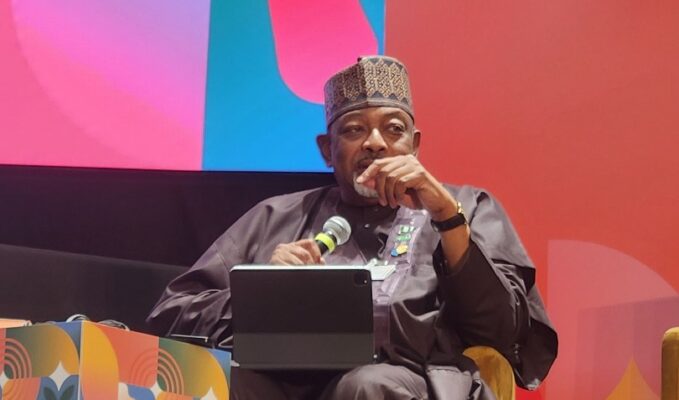
Abubakar Kyari, Nigeria’s minister of agriculture and food security, made this known during the Ministerial Dialogue on SSTC at the 2025 World Food Forum (WFF) — one of the key events marking the 80th anniversary of the Food and Agriculture Organisation (FAO) — held recently in Rome, Italy.

Kyari explained that the SSTC framework seeks to strengthen the collective bargaining power of developing countries in global forums while promoting a more equitable international economic system.

According to him, “South–South Cooperation has become a vital part of Nigeria’s agricultural development strategy, fostering knowledge exchange, innovation, and inclusive growth.”

He emphasised that effective cooperation must be anchored on mutual respect, national ownership, and measurable outcomes, describing the SSTC model as one of the most practical and cost-effective means of achieving food security and shared prosperity.

Highlighting Nigeria’s ongoing partnerships, Kyari noted that the country’s collaboration with FAO and China under the SSTC framework has produced tangible results — including advances in technology transfer, farmer training, aquaculture development, and the establishment of Regional Multi-Service Extension Centres across the country.

“The lessons we continue to draw from our partnerships with China, Brazil, and other developing nations reaffirm that the Global South has the capacity, knowledge, and innovation to solve its own challenges — if we work together in solidarity,” Kyari said.

The minister also outlined Nigeria’s current priorities to deepen the impact of SSTC, which include: Institutional Strengthening, Sustainable Financing, Technology and Knowledge Exchange and Regional Integration.

Read also: Nigeria backs strong public-private partnerships to transform agrifood systems — Kyari

In his remarks, Qu Dongyu, FAO director-general, commended Nigeria and other member countries for their continued commitment to building inclusive and sustainable agrifood systems.

He emphasised that the next phase of South–South Cooperation must be supported by stronger institutional frameworks and targeted investments.


Ruth Tene, Assistant Editor, Agric/Solid Minerals/INEC Ruth Tene is an award-winning journalist with over 15 years experience in developmental reporting across several newsrooms, as a reporter, editor and other managerial roles. She holds a Postgraduate Diploma in Journalism from the University of Maiduguri among several other certifications She has attended several trainings and certifications both locally and internationally and has been recognized for her impactful work in humanitarian reporting, receiving the Gold Award for Humanitarian Services from the Amazing Grace Foundation. She is also a recipient of the Home Alliance Fellowship, reflecting her commitment to fostering a more humane, safer and more sustainable planet. An active member of professional journalism bodies, Ruth is affiliated with the Nigeria Union of Journalists (NUJ), the National Association of Women Journalists (NAWOJ), and the Agricultural Correspondents Association of Nigeria (ACAN), where she continues to advocate for excellence, ethical reporting, and development-focused journalism.

Join BusinessDay whatsapp Channel, to stay up to date

Open In Whatsapp