

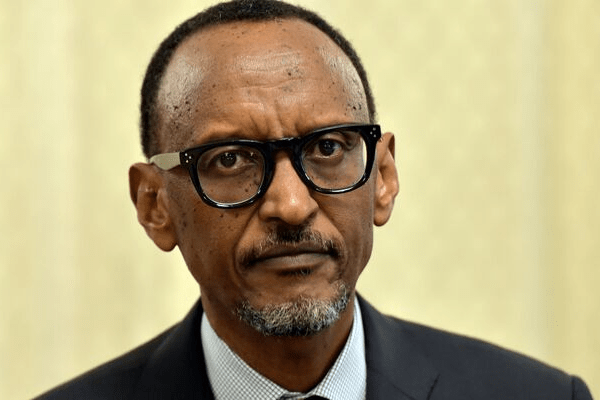
South Africa has issued arrest warrants for two Rwandans accused of assassinating a former Rwandan intelligence chief in Johannesburg, which is likely to bring further scrutiny to allegations that President Paul Kagame’s government has used violence to intimidate opponents at home and abroad.
Partick Karegeya, a childhood friend of Mr Kagame who rose to lead Rwanda’s external intelligence service, sought exile in South Africa in 2010 before he was found strangled in a hotel room on January 1 2014. South Africa expelled three Rwandan diplomats in response to the killing but has never brought charges for his murder despite a lengthy investigation.
Members of Karegeya’s family have accused the South African government of failing to prosecute for political reasons. However, an inquest in April breathed life into the case, ruling that a crime had been committed and that South Africa’s National Prosecuting Authority needed to decide whether to bring charges.
Following that instruction, the NPA has issued warrants of arrest for two people implicated in the murder, according to Karegeya’s lawyers working with the advocacy group Afriforum.
“It is a fantastic sign,” David Batenga, Karegeya’s nephew and a spokesperson for the family, told the Financial Times. “When the diplomats in question were expelled it was rewarding in a way, but it was shortlived because we expected after that there should be some action.”
The NPA is now applying for the extradition of the two men, who are both believed to be in Rwanda, and will ask Interpol, the international police organisation, to issue “red notices” against the suspects, Afriforum said. Red notices are a request to law enforcement worldwide to locate and arrest a person pending extradition.
Gerrie Nels, head of the private prosecution unit at Afriforum, had promised to bring a case if South Africa’s government failed to act following the inquest.
The decision to issue arrest warrants without the need for further investigation showed that the authorities had been sitting on evidence, according to Mr Nel. “The only feasible conclusion is that the NPA wanted to avoid a prosecution,” he said.

Join BusinessDay whatsapp Channel, to stay up to date
Open In Whatsapp


