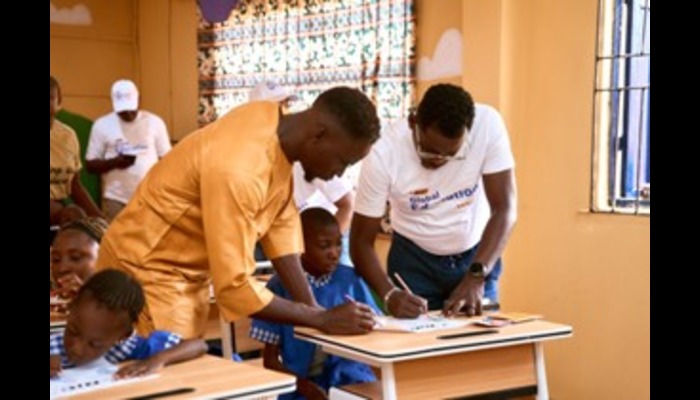
Children’s Day is often marked by celebration and a recognition of the joy, promise, and potential that children represent. Yet beyond the festivities lies a genuine opportunity for reflection. What does it actually mean to prepare a child for the world they will inherit?
It is a question that looks different today than it did a generation ago. Children are growing up amid rapid technological change, expanding digital access, and shifting social realities. In Nigeria, as in many parts of the world, families are navigating these changes while contending with persistent questions about educational access and quality. Academic achievement remains foundational, but there is growing recognition that it is not sufficient on its own.
Global conversations around education and child development increasingly emphasize the importance of helping children build creativity, communication, confidence, and problem-solving abilities alongside foundational learning. The World Economic Forum identifies creativity, critical thinking, and problem-solving as core skills for young people entering a rapidly changing world. The conversation has shifted: no longer simply about helping children succeed in school, but about helping them develop the broader capabilities needed to thrive in life.
Growing beyond the classroom
Children do not develop in isolation. Their confidence, curiosity, and ability to engage with the world are shaped through experiences both within and beyond school walls.
Parents and guardians often provide a child’s earliest environment for learning and self-expression. Through encouragement, storytelling, conversation, and making room for questions and exploration, they help shape how children understand their abilities and develop confidence in their voices.
Schools and educators also play a defining role. Learning environments that encourage participation, creativity, and inclusive engagement can significantly influence how children absorb knowledge and interact with others. Research by the World Bank has consistently shown that stronger teaching practices and supportive learning environments positively influence learning outcomes and student engagement.
Government and public institutions remain central to strengthening educational systems through sustained investment, policy development, and efforts aimed at improving access and learning quality. Across Nigeria and globally, educational progress has often been strongest where collaboration and shared commitment support these efforts.
Communities and society equally matter. Children absorb messages from their surroundings – from peers and neighborhoods to culture and media. The values society reinforces around learning, creativity, and self-belief inevitably shape how children come to see their own potential.
Creating room for imagination and expression
In increasingly structured and fast-moving environments, children still need room to imagine, explore, and express themselves.
Creativity is sometimes viewed as secondary to academic learning or confined to artistic ability alone. Yet growing research tells a different story. UNESCO and developmental learning studies continue to show that creative exploration, play, and self-expression contribute meaningfully to children’s cognitive, emotional, and social development.
Writing and drawing are often among the earliest ways children organize thoughts, communicate feelings, and engage with the world around them. Whether through storytelling, sketching ideas, or simply asking questions, these moments of exploration build confidence, resilience, and independent thinking. Environments that nurture this, at home, in the classroom, or within the wider community, tend to raise children who participate more confidently and develop a stronger sense of their own capabilities.
When organizations step in
Some organizations have recognized that their role in children’s lives can extend beyond products or services. Where the right intention exists, businesses can become genuine contributors to the environments and experiences that shape how children learn, express themselves, and grow.
For BIC, a global stationery brand present in classrooms across Nigeria and beyond, creativity is not a peripheral concern. It is central to how the company engages with young people.
This has meant investing in experiences, not just products. Its Canvas of Change initiative has built educator capacity for more creative, participatory teaching. Art Master Africa has given young people a platform to explore artistic expression, develop their voices , and be recognized and rewarded for their creative talent. And through targeted classroom renovations, BIC has helped transform school environments into spaces that actively stimulate curiosity: colorful murals and artwork to inspire, upgraded furniture and interactive whiteboards to support better learning, and literacy materials such as age appropriate charts and vocabulary aids to deepen comprehension and expression. The premise is simple: a child who feels energized by their environment is more ready to think, create, and engage.
These efforts reflect a conviction that confidence, imagination, and self-expression are not soft extras alongside education. They are part of what education is for.
A shared responsibility for the future
Children’s development is shaped through many interconnected influences and as Children’s Day is marked this year, perhaps the most meaningful commitment society can make is to ensure that children are not only prepared for examinations, but are also supported to think independently, express themselves with confidence, and imagine possibilities for their own futures. When families, educators, policymakers, communities, and organizations each contribute with intention, children are better equipped not only to learn, but to truly thrive.
Faith Adekunle is a writer

Join BusinessDay whatsapp Channel, to stay up to date
Open In Whatsapp