The Lagos state government is set to introduce sweeping reforms to its health insurance programme in a bid to curb what officials describe as a growing culture of medical tourism within the state-backed scheme, where residents enroll only when faced with expensive medical procedures and abandon coverage immediately after receiving treatment.
The Lagos State Health Management Agency (LASHMA) said the policy overhaul, scheduled to take effect on August 1, 2026, is designed to protect the long-term sustainability of the Lagos State Health Scheme and strengthen the state’s push towards Universal Health Coverage (UHC).
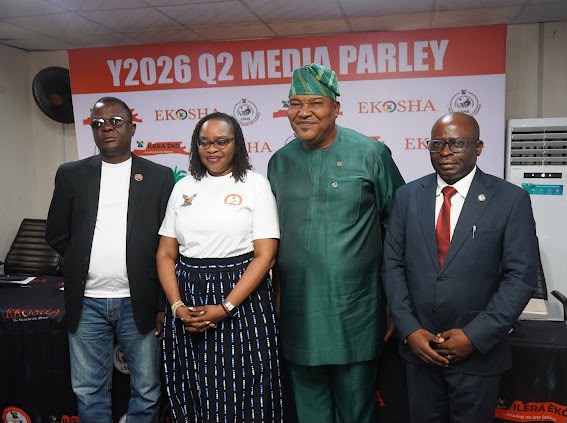
Speaking during the second-quarter media parley of the Lagos State Health Scheme in Alausa, Ikeja, on Thursday, Emmanuella Zamba, the permanent secretary of LASHMA, warned that opportunistic enrollment practices were undermining the core principles of social health insurance.
Read also: Federal Government targets 50m Nigerians for health insurance by 2030
According to her, the agency has observed a growing trend of individuals joining the ILERA EKO health insurance programme shortly before undergoing costly surgeries and specialist treatments that would otherwise require substantial out-of-pocket spending.
“We have observed with concern that many citizens only register for the Lagos State Health Scheme a few months before they need to access specific, expensive medical procedures which would otherwise cost them fortunes out-of-pocket.
“After enjoying these comprehensive ILERA EKO services, these individuals leave the scheme, only returning when they face another costly medical intervention,” Zamba said.
The practice, she noted, mirrors a form of internal medical tourism in which beneficiaries exploit the pooled funding structure of health insurance without making sustained contributions that keep the system viable.
Health insurance systems globally rely on continuous participation from healthy and sick individuals alike, enabling risk-sharing across a broad population. Experts say intermittent enrollment weakens the financial foundation of such schemes and places pressure on available resources.
Zamba said the forthcoming reforms would specifically target these abuses while ensuring vulnerable residents, low-income earners and beneficiaries using the state’s flexible Pay-Small-Small premium payment option remain protected.
“This attitude is highly unhealthy for the long-term sustainability of social health insurance. The upcoming policy revisions are specifically designed to address these opportunistic practices while safeguarding vulnerable populations who genuinely cannot afford health insurance premiums,” she said.
The reforms come as Lagos intensifies efforts to expand healthcare access across the state while enforcing mandatory health insurance participation among residents.
Since February 2026, the state has commenced active enforcement of compulsory health insurance across ministries, departments and agencies following the inauguration of a dedicated enforcement team by Olabode Agoro, the head of service. LASHMA said compliance levels within the public sector have improved significantly, while awareness and pre-enforcement activities are being extended to the informal sector.
Despite concerns over abuse of the system, the agency reported notable gains in healthcare delivery through the ILERA EKO scheme and other intervention programmes.
One of the most significant achievements highlighted during the briefing was the performance of the Lagos State Health Management Agency Assistance in Distress (LASHMA-AID) initiative and the Emergency Service Programme launched earlier this year.
According to Zamba, the interventions have already saved 18 lives within months of operation by providing emergency healthcare support to vulnerable residents and active health insurance enrollees.
The agency is also expanding healthcare access beyond urban centres. Under its EKO Social Health Alliance (EKOSHA) Rural Health Scheme, Lagos recently deployed mobile healthcare services to underserved communities in Agboyi Ori-Omi within Agboyi-Ketu Local Council Development Area, where residents have limited access to functional primary healthcare facilities.
In addition, LASHMA disclosed plans to extend healthcare coverage to riverine communities through new partnerships aimed at overcoming geographical barriers to medical care.
As part of efforts to improve accessibility and reduce congestion in healthcare facilities, the agency is also promoting its telemedicine platform, which allows enrollees to consult healthcare professionals around the clock in English, Yoruba, Hausa, Igbo and Pidgin through audio and video calls.
Read also: Lagos deploys free health insurance for surgeries, antenatal care, others
Users can receive prescriptions, diagnostic requests and referrals directly on their mobile devices at no additional cost.
Zamba stressed that sustaining universal health coverage would require continuous commitment from government, healthcare providers and residents alike.
“Universal Health Coverage is a continuous journey that requires the collective responsibility of all stakeholders in Lagos State,” she said.
The latest reforms signal a shift by Lagos authorities towards balancing wider healthcare access with stronger financial discipline, as Africa’s largest city seeks to build a more resilient and sustainable health insurance system capable of serving millions of residents over the long term.

Join BusinessDay whatsapp Channel, to stay up to date
Open In Whatsapp