…brings relief to households, supports local economy, good health
Water is one of the most essential resources for human survival, directly linked to health, hygiene, sanitation and economic productivity. Access to clean and safe water not only prevents the spread of diseases but also sustains livelihoods, supports education, and improves overall wellbeing.
In many developing regions, weak and neglected infrastructure continues to deny millions this basic necessity, exposing them to preventable health risks and limiting economic opportunities.
In Plateau State, the struggle for potable water has persisted for years, forcing residents to rely on unsafe streams, wells, and makeshift water sources. This has had severe consequences, especially for women and children who bear the daily burden of sourcing water for their families.
Households often spend hours each day fetching water, reducing time available for education, work, or other productive activities. Many families have fallen into cycles of poverty because of the high cost and difficulty of accessing safe water.
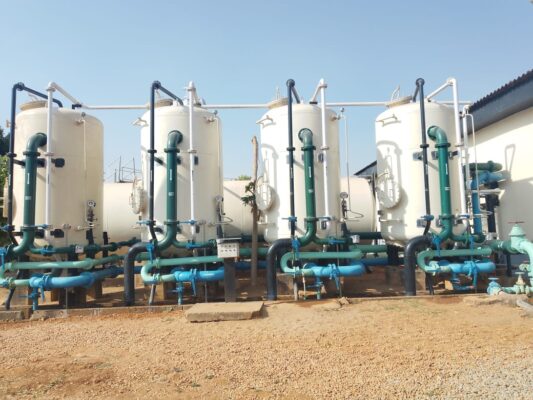
Against this backdrop, Caleb Mutfwang, Plateau State Governor, recently inaugurated a rehabilitated 4,500-capacity water treatment plant in Jos South Local Government Area, offering long-awaited relief to affected communities.
Read also: CMFC aims to improve access to capital to unlock Nigeria’s $700bn minerals economy
The Yelwa Water Treatment Plant, located in Bukuru, had remained abandoned for about 16 years, a casualty of neglect, underfunding, and bureaucratic delays. Its revival marks a critical step toward restoring access to potable water in the state.
For over a decade, the collapse of key facilities like Yelwa left residents without reliable water, pushing many to unsafe sources that were prone to contamination.
Health experts note that this lack of safe water contributed to the persistent prevalence of water-borne diseases, including cholera, typhoid, and diarrhea, particularly during rainy seasons.
Communities in Jos and Bukuru often faced severe hardship, with outbreaks forcing schools to close and households to spend scarce income on medical treatment.
The newly rehabilitated plant is expected to provide clean water to thousands of residents daily, reducing reliance on informal and unsafe water points.
During the inauguration, Governor Mutfwang emphasised the importance of sustainability. “We must ensure that this plant is properly maintained to serve our people effectively and sustainably,” he said.
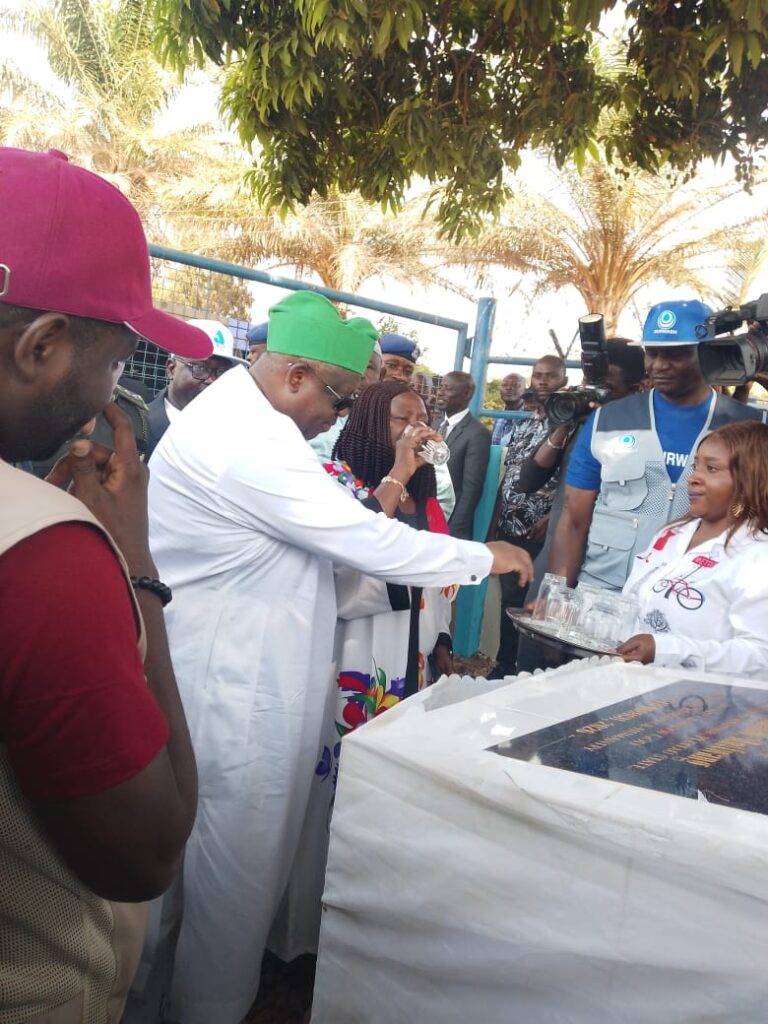
He warned residents against actions that could undermine the infrastructure. “I urge residents to desist from building on water pipelines, as such actions threaten critical infrastructure,” the governor added.
Governor Mutfwang described the project as a transformative intervention, emphasising that it is not only about infrastructure but also improving quality of life. “This is about ensuring that every household has access to clean water, which is fundamental to health, productivity, and wellbeing,” he stated.
Read also: Northern farmers, workers count losses as heatwave disrupts commercial activities
Mathew Verghis, Country Director of the World Bank in Nigeria, also highlighted the importance of water access.
“Water distributors must ensure that the public has access to potable drinking water,” he said, stressing that proper management will determine the facility’s long-term impact.
Bashir Datti, the Commissioner for Water Resources and Energy, underlined the significance of the project for public welfare.
“Water is life, and this project reflects our commitment to the wellbeing of our citizens,” Datti said, while commending collaboration with development partners.
Beyond its public health impact, the rehabilitation of the Yelwa Water Treatment Plant carries strong economic implications for Plateau State.
Reliable water supply is expected to boost small and medium-scale businesses that rely on water, including food vendors, hospitality operators, and sanitation service providers.
Households will also benefit economically, as less time and money will be spent fetching water, allowing more resources to be dedicated to education, work, or income-generating activities.
Farmers stand to gain from improved water access, as small-scale irrigation and agricultural processing will become more feasible, boosting food security and local markets.
The availability of clean water may attract investors to Jos and Bukuru, who often cite infrastructure reliability as a key factor in business decisions.
By ensuring a steady water supply, the project may also encourage the growth of new commercial and industrial ventures in the State.
Many described the plant’s revival as timely and highly impactful, given rising population pressure and increasing demand for water in urban areas.
The plant’s daily production capacity of 4,500 litres will help close the gap in supply, reduce congestion at informal water points, and ensure a more equitable distribution among residents.
Improved access to water is expected to enhance hygiene, sanitation, and overall public health, reducing the burden of diseases linked to contaminated water.
For women and children, who bear most of the responsibility for water collection, the project promises a significant reduction in daily physical and time demands.
Beyond health and household welfare, the project is anticipated to stimulate economic activity by enabling businesses to operate more efficiently and creating opportunities for new enterprises.
The success of the project will depend on consistent maintenance, community cooperation, and expansion of distribution networks to reach underserved neighborhoods.
Integration with broader state infrastructure plans, including pipelines and storage facilities, will be critical for sustaining benefitsver the long term.
The inauguration of the Yelwa Water Treatment Plant is a landmark achievement. If properly managed, it has the potential to transform water access, reduce disease prevalence, and stimulate economic growth in Plateau State.
Ultimately, the facility represents hope, relief, and a tangible step toward ending years of water scarcity, offering residents a safer, healthier, and more productive future.

Join BusinessDay whatsapp Channel, to stay up to date
Open In Whatsapp