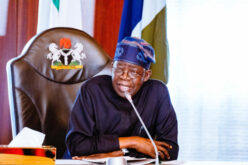
The historic two-day visit of President Bola Tinubu to the United Kingdom has unlocked total investment commitments worth $1.51 billion, in what is expected to further boost trade relations between both economies and create hundreds of jobs.
As part of his efforts to transform painful reforms to inclusive growth and improved productivity, the Tinubu-led government secured a £746 million ($990 million) export finance package to fund the redevelopment of two of Nigeria’s main trading gateways, the Lagos Port and the Tin Can Island Port Complex.
The facility, guaranteed by UK Export Finance and arranged by Citibank, marks one of the largest UK-backed infrastructure financings in Nigeria in recent years.
Read also: Tinubu, King Charles hold interfaith dialogue
The deal, for Britain, is as much about domestic industry as overseas diplomacy. The government said the port revamp would generate £236 million in supplier contracts for UK firms, including a £70 million contract for British Steel, a timely boost as London rolls out a new strategy to support its struggling steel sector.
The impact of that overhaul is, however, huge for Africa’s most populous economy, as modernising the ports is critical to Tinubu’s economic reset.
Chronic congestion, aging infrastructure, and high logistics costs have long constrained trade flows, adding to inflationary pressures and weakening competitiveness.
A refurbishment of the Lagos ports, which handle about 70 percent of Nigeria’s imports and exports, could lower turnaround times, reduce demurrage costs, and improve customs efficiency, reinforcing broader efforts to stabilise the naira and attract manufacturing investment.
Beyond infrastructure, the visit signalled a pivot toward food security and consumer manufacturing, a calculated move at a time the West African nation is struggling with rising food prices and shrinking investment in agriculture.
The Nigeria Sovereign Investment Authority signed a memorandum of understanding in London with UK-based Asset Green Ltd. to launch a $496 million integrated dairy production and processing platform.
The project aims to curb Nigeria’s heavy reliance on dairy imports by building a self-sustaining value chain, from pasture development to processing.
Projected to generate more than $620 million in annual revenue once fully operational, the platform could reposition Nigeria as a regional dairy supplier rather than a net importer.
The British High Commission described it as one of the most ambitious agricultural investments in Nigeria’s history — aligning with Tinubu’s emphasis on import substitution and domestic value addition following far-reaching currency reforms taken almost three years ago.
Tinubu’s visit also saw consumer goods maker Twinings Ovaltine announce plans to invest 24 million pounds ($32 million) in a new manufacturing facility in Lagos, its first major capital commitment in Africa.
The plant is expected to create more than 100 direct jobs and expand exports across West Africa, according to the UK’s Department for Business and Trade.
Taken together, the agreements illustrate a recalibration in UK-Nigeria economic ties. Post-Brexit Britain has been seeking deeper trade links beyond Europe, while Nigeria, grappling with inflation, foreign-exchange volatility, and sluggish growth, is courting long-term capital to anchor structural reforms.
Read also: Tinubu at Windsor: Nigeria seeks UK security pact to stabilise Sahel (PHOTOS)
Tinubu’s administration has removed costly fuel subsidies and unified exchange rates in an effort to restore investor confidence, though the measures have triggered short-term pain for households and businesses. Securing export-backed financing and private-sector commitments from a G7 economy offers political validation and potential economic relief.
It will also improve the nation’s crawling Foreign Direct Investment (FDI), which has been less than $1 billion over the past five years. FDI into one of Africa’s largest economies more than doubled to $566.2 million in the first nine months of 2025, the highest level in four years. That signifies the importance of the trade agreements.
If delivered, the combined $1.51 billion slate of deals could deepen industrial linkages between the two countries while advancing Tinubu’s ambition to reposition Nigeria as a production and export hub rather than a consumption-driven import market.

Join BusinessDay whatsapp Channel, to stay up to date
Open In Whatsapp