US Nasdaq 100 index is poised to erase more than $1 trillion in market value on Tuesday as technology heavyweights and chip stocks tumbled.
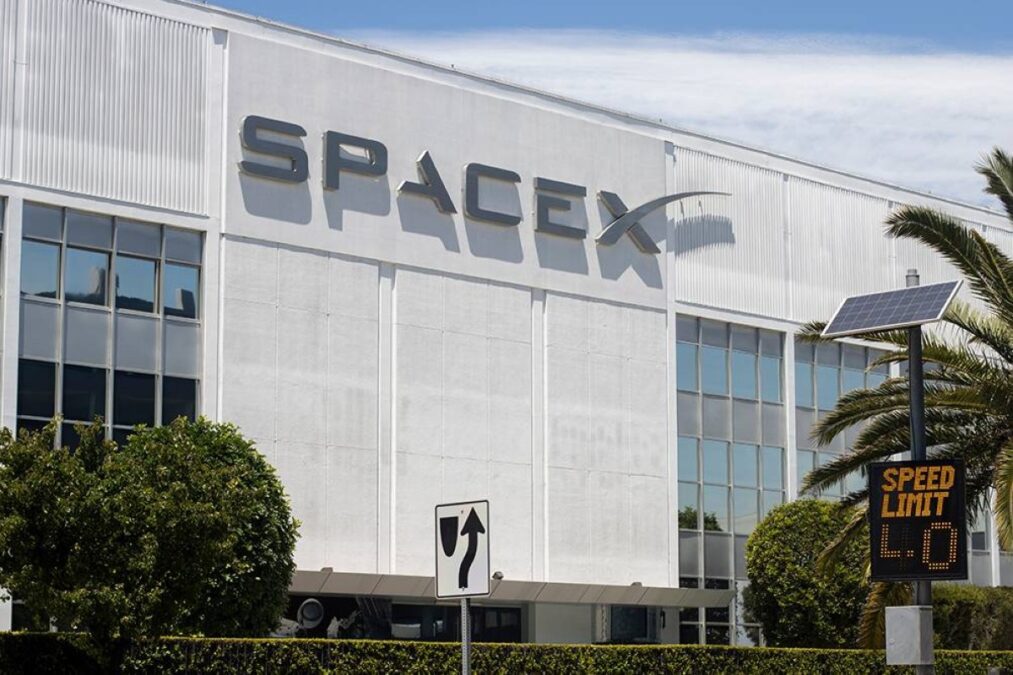
Elon Musk’s SpaceX has dropped below $2 trillion in market cap for the first time since its U.S. debut.
SpaceX, which is expected to join the Nasdaq 100, has lost more than $600 billion in market value in the past three sessions. It last had a market valuation of $1.95 trillion if the day’s losses hold.
From Binance’s EU licence bid to SpaceX’s pre-IPO perpetual futures… This is Crypto Weekly.
The company’s shares slid 3.6% to $149.1 in premarket trading, and SpaceX was only about 9% above its IPO price of $135, as a blistering post-IPO rally last week continued to lose steam.
Futures tracking the tech-heavy Nasdaq 100 index dropped 2.5%, implying a more than 700-point fall. The index will lose $1.15 trillion in market value if it drops 2.79%, according to Reuters calculations.
Read also: The top 10 largest economies by GDP in 2026
Chipmakers, which have emerged as some of the biggest winners of the AI trade so far this year, also clocked heavy losses. Intel (INTC.O), opens new tab, fell 6.8% and Advanced Micro Devices was down 5.2%.
Memory chipmakers — the best-performing stocks on the S&P 500 (.SPX), opens new tab so far this year — lagged on Tuesday, with Micron Technology down 8%, SanDisk falling 9.2% and Western Digital losing 7.5%. Memory chipmakers in South Korea also recorded steep declines.
Six of the seven “Magnificent Seven” group – the biggest technology stocks on Wall Street – were under pressure as investor concerns about elevated AI spending grew.
Commonly dubbed hyperscalers, these firms have committed billions to scale up their AI infrastructures, though clearer evidence that AI products can generate returns justifying the spending is yet to be seen.
Alphabet shed 2.1%, Amazon.com fell 1%, Tesla was down 3%, Nvidia lost 3%, and Apple was 0.4% lower. These companies are set to erode a combined $345 billion in market value if losses hold.
Also hitting risk sentiment were worries of future interest-rate hikes by the U.S. Federal Reserve. Traders expect the central bank to raise borrowing costs by a total of 50 basis points by December, according to the CME Group’s FedWatch Tool.
The bets have climbed from expectations of one 25-basis-point increase seen two weeks ago as investors price in hawkish monetary policy under new Fed Chair Kevin Warsh.


Join BusinessDay whatsapp Channel, to stay up to date
Open In Whatsapp