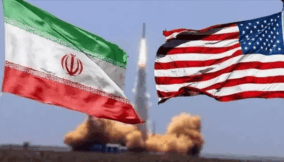
The United States and Iran have unveiled the full details of a wide-ranging Memorandum of Understanding designed to permanently end their months-long conflict, reopen the strategic Strait of Hormuz, and lay the foundation for a broader diplomatic agreement between the two longtime rivals.
According to the BBC, the 14-point agreement is being described by President Donald Trump’s administration as a “performance-based” deal, meaning Iran will only receive economic benefits if it fulfils its commitments, particularly on its nuclear programme.
Read also: Strait of Hormuz to reopen on Friday as US-Iran sign peace framework
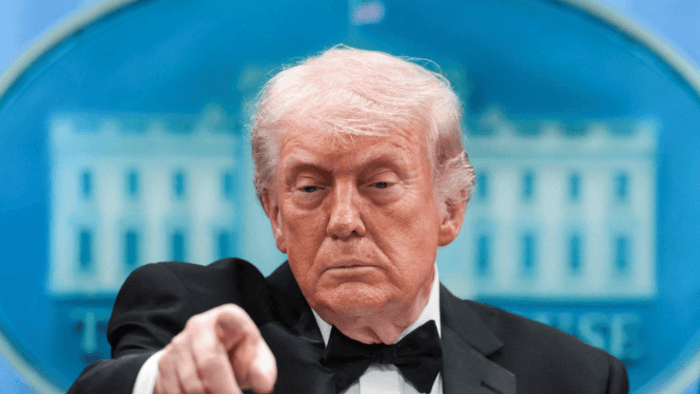
Speaking at the G7 summit in Evian les Bains, France, Trump said the agreement is expected to be formally signed “shortly”, with officials indicating the ceremony could take place as early as Thursday in Geneva.
At the heart of the agreement is an immediate and permanent end to military operations between the two sides and their allies, including fighting linked to Lebanon. The document states that neither side will launch attacks or threats against the other and that Lebanon’s sovereignty and territorial integrity will be respected.
The provision is expected to face close scrutiny from Israel, whose military operations against Hezbollah had become a growing concern for Washington during negotiations. Iran warned that any continued Israeli action in Lebanon would amount to a violation of the understanding.
The agreement also commits both countries to respecting each other’s sovereignty and avoiding interference in domestic affairs, a move that may disappoint some Iranian opposition groups who had hoped for stronger American support.
Read also: Strait of Hormuz to reopen for shipping as Trump announces US-Iran ceasefire deal
Under the framework, Washington and Tehran have set a maximum period of 60 days to negotiate a final agreement, although both sides may agree to extend the timeline.
A major part of the deal focuses on restoring maritime trade. Iran has agreed to make its best efforts to ensure safe and free passage for commercial vessels through the Strait of Hormuz, a vital global oil route that was closed during the conflict, causing energy prices to surge.
The United States will, in return, begin removing its naval blockade and other restrictions affecting Iranian ports. American officials said US forces will eventually return to their pre conflict military posture once a final agreement is reached.
The memorandum also outlines plans for a reconstruction and economic development programme worth at least $ for Iran. However, US officials stressed that Washington would not directly provide funding.
“If Iran behaves, countries such as the United Arab Emirates could invest in projects like power plants with US approval,” an American official said as an example of how the mechanism could work.
Another major breakthrough is Iran’s commitment not to seek or purchase nuclear weapons. The two sides have agreed to negotiate how Iran’s existing stockpile of enriched uranium will be managed, with the International Atomic Energy Agency expected to supervise the process.
Read also: G7 vows stronger air defence support for Ukraine, tougher sanctions on Russia
US officials described the commitment as a major achievement and said future sanctions relief would depend on Iran’s compliance with its nuclear obligations.
The agreement also opens the door for the eventual removal of US economic sanctions on Iran and the release of some frozen Iranian assets. The timing and conditions of these steps will be determined during future negotiations.
The final sections of the memorandum establish a mechanism to monitor compliance and set out plans for negotiations toward a permanent settlement, which both countries hope will eventually be backed by a binding United Nations Security Council resolution.
If implemented successfully, the agreement could mark one of the most significant diplomatic breakthroughs between Washington and Tehran in decades, bringing an end to a conflict that threatened regional stability and global energy supplies.

Join BusinessDay whatsapp Channel, to stay up to date
Open In Whatsapp