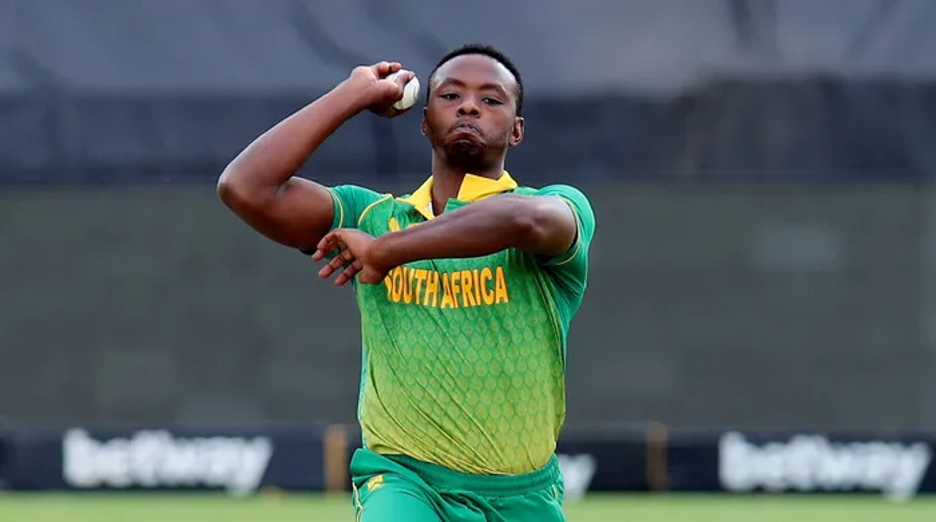
Kagiso Rabada’s career has never been only about speed. The pace is obvious, the celebration is familiar, and the wickets have stacked up across formats, but the real craft sits in how he makes fast bowling feel repeatable. For South Africa, that has made him more than a strike bowler. He has become one of the reference points for how modern Proteas cricket wants to compete.
Rabada’s value is easiest to see when a match tightens. He can attack with the new ball, return for a hostile middle spell, or take responsibility when a partnership has started to drain energy from the fielding side. Around major Proteas fixtures, supporters now follow that tension through broadcast panels, score apps, social feeds, betting markets and platforms such as hollywood mobile, but Rabada’s appeal still begins with a simpler question: can he change the match in one spell?
That question has followed him since his early international years. South Africa has produced great fast bowlers before, from Allan Donald to Makhaya Ntini, Dale Steyn, Morne Morkel and Vernon Philander. Rabada did not inherit an empty tradition. He entered one of cricket’s most demanding lineages and still managed to create his own pace identity.
From Johannesburg Talent to Proteas Spearhead
Rabada was born in Johannesburg in 1995 and moved through South African cricket as a player marked early for higher levels. His rise was fast, but not accidental. By the time he became a regular Proteas figure, he had already shown the qualities selectors want from a modern quick: athleticism, repeatable pace, wicket-taking threat and enough control to work inside different tactical plans.
His early Test career carried a strong signal. Cricket South Africa notes that he became the youngest South African to take a 10-wicket haul in a Test, with 13 wickets for 144 runs against England. That kind of performance does more than announce talent. It shows that the bowler can carry long spells, adjust to batters across innings and return with the same intensity when conditions change.
The South African public quickly learned that Rabada was not a supporting act. He could lead the attack. In a country where fast bowling has always carried prestige, that mattered. It gave the Proteas a younger spearhead at a time when the team was moving through transition.
His story is not just “young bowler becomes star.” It is about how quickly a promising player was asked to become structural. South Africa did not only need his wickets. It needed his spells to shape sessions.
What Makes Rabada’s Bowling Different?
Rabada’s most obvious strength is pace, but pace alone rarely lasts at elite level. Plenty of bowlers are quick. Fewer can stay threatening when the pitch flattens, when the ball gets older, or when a batter decides to leave well and wait.
Rabada’s craft lies in the mix. He has a strong action, a high release point, late movement when conditions allow, and the ability to hit lengths that make batters play. He can go fuller when searching for the edge, drag the length back when the pitch offers bounce, or attack the body when he wants to make scoring uncomfortable.
That versatility is why he travels better than one-dimensional quicks. On helpful surfaces, he can be devastating. On slower ones, he can still create pressure through angles, effort and tactical patience.
A Rabada spell often has a story to it. The first over may test the leave. The next may bring the batter forward. Then comes the short ball, not always as a wicket ball, but as a message that the front-foot option will not be comfortable forever.
The Skill Behind the Wicket Column
Wickets are the currency of fast bowling, but not all wickets carry the same meaning. A tail-end dismissal with a new batter swinging is useful, but it is not the same as removing a set top-order player in a balanced match. Rabada’s reputation comes from taking wickets that shift the shape of a contest.
That is especially important for South Africa because the Proteas often build their identity around pressure. A wicket from Rabada can allow the captain to attack with catching fielders, delay defensive plans, or expose a middle order before it has settled. One wicket can change the bowling map for everyone else.
| Rabada quality | Match effect | Why it matters for South Africa |
| New-ball threat | Tests technique before batters settle | Gives the Proteas early control |
| Old-ball hostility | Keeps wicket-taking options alive later | Prevents flat sessions from drifting |
| Short-ball accuracy | Pushes batters back from scoring zones | Opens fuller attacking lengths |
| Energy across spells | Maintains intensity beyond first burst | Supports long Test-match pressure |
| Big-match temperament | Stays central in high-stakes moments | Gives the team a reliable strike option |
That kind of pressure can be difficult to capture in a scorecard. A tight spell from Rabada may create the error that another bowler collects. In strong attacks, influence often works that way.
The World Test Championship Moment Added Weight
South Africa’s 2025 World Test Championship win gave Rabada’s career another layer. The Proteas beat Australia at Lord’s to claim a major cricket title after a long wait, and Rabada was central to the campaign’s final stages. AP reported South Africa’s five-wicket victory over Australia in the final, a result that immediately became one of the major reference points in the country’s cricket history.
For Rabada, the win mattered because it connected individual excellence to team achievement. Fast bowlers can spend years producing outstanding spells that are remembered only by cricket obsessives. A trophy gives those spells a wider public frame.
The Reuters account of South Africa reaching the final also underlined Rabada’s influence, describing his crucial role in the dramatic win over Pakistan that helped secure the WTC final place. That detail matters because big-match reputations are built across a route, not only in the final image.
Rabada’s career already had records and reputation. The WTC title gave it a national chapter. It placed his pace craft inside a winning Proteas story, not only a personal highlight reel.
Why South Africa Needed This Type of Fast Bowler
South African cricket has always loved fast bowlers, but the modern game asks more from them than raw aggression. Across formats, quicks must manage workloads, switch lengths, understand matchups and recover quickly between leagues, tours and ICC events.
Rabada’s career shows that shift clearly. He has played Tests, ODIs, T20 internationals and franchise cricket, including major competitions outside South Africa. Cricket South Africa’s profile notes his strong Indian Premier League impact, including topping the IPL wicket chart in 2020 with 30 wickets. That speaks to adaptability because T20 death bowling and Test-match spell-building demand different skills.
In Tests, patience matters. In T20s, one over can define the match. In ODIs, a bowler must balance wicket-taking with control across changing phases. Rabada has had to move between these demands without losing the core of his identity.
That is what makes him valuable to South African cricket. He is not a museum version of a fast bowler. He is a modern one: powerful, analytical, exposed to different conditions and still capable of making the old truth feel current. Pace changes games.
The Burden of Being the Attack Leader
Being a spearhead is not simply a compliment. It is a workload. When a team needs a wicket, the captain looks to you. When a session drifts, the ball comes back to you. When the tail needs finishing, the crowd expects you to do it quickly.
Rabada has carried that expectation through periods of South African transition. The Proteas have moved through changes in batting depth, captaincy, coaching direction and format priorities. Through those shifts, Rabada’s role has remained clear: be the bowler opponents must plan for first.
That can be exhausting. Fast bowling is physically costly, and leadership through performance can become invisible when people only remember wickets. The effort balls, the heavy legs after long spells and the mental discipline of returning for another burst are part of the job.
The best way to read Rabada is not as a constant highlight machine. It is as a bowler whose danger changes how opponents build an innings. Even when he is being respected rather than attacked, he is influencing the game.
What Young South African Bowlers Can Learn
Rabada’s career offers practical lessons for young cricketers. The most important is that pace must be organised. Speed without repeatability becomes entertainment. Speed with control becomes a career.
The lessons are clear:
- Build a repeatable action. Raw pace needs a technical base that survives long spells.
- Learn different lengths. Test cricket, ODI cricket and T20 cricket reward different targets.
- Use the short ball with purpose. It should set up the batter, not only show aggression.
- Treat fitness as a skill. Fast bowling depends on recovery, rhythm and resilience.
- Understand the match situation. The same ball can be attacking or wasteful depending on the field, batter and score.
These lessons make Rabada’s career useful beyond admiration. Young bowlers can watch him for mechanics, but also for decision-making. His best spells are not random bursts of speed. They are structured pressure.
A Match-Winner Built on More Than Fire
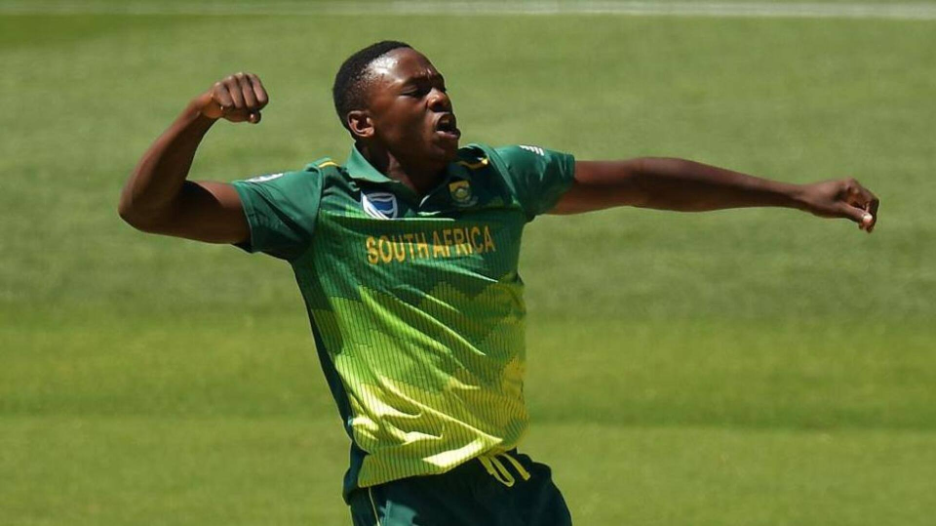
Rabada’s public image includes energy, emotion and visible competitiveness. That is part of the appeal. South African cricket has always responded to fast bowlers who look like they are forcing the game to react.
But the deeper story is discipline. Rabada’s career has been built on the ability to come back spell after spell, series after series, format after format. He has grown from a young wicket-taker into one of the central figures in the Proteas attack.
That is why his legacy already feels substantial. He belongs to the South African fast-bowling tradition, but he has not simply copied it. He has adapted it for a cricket world where the same bowler may be asked to win a Test in Johannesburg, defend a T20 over in India and carry expectation at an ICC final.
Kagiso Rabada’s pace is the entry point. His craft is the reason the story has lasted. For South Africa, that combination has produced something every serious cricket team needs: a bowler who can make a match turn when the game is waiting for someone brave enough, skilled enough and disciplined enough to seize it.

Join BusinessDay whatsapp Channel, to stay up to date
Open In Whatsapp