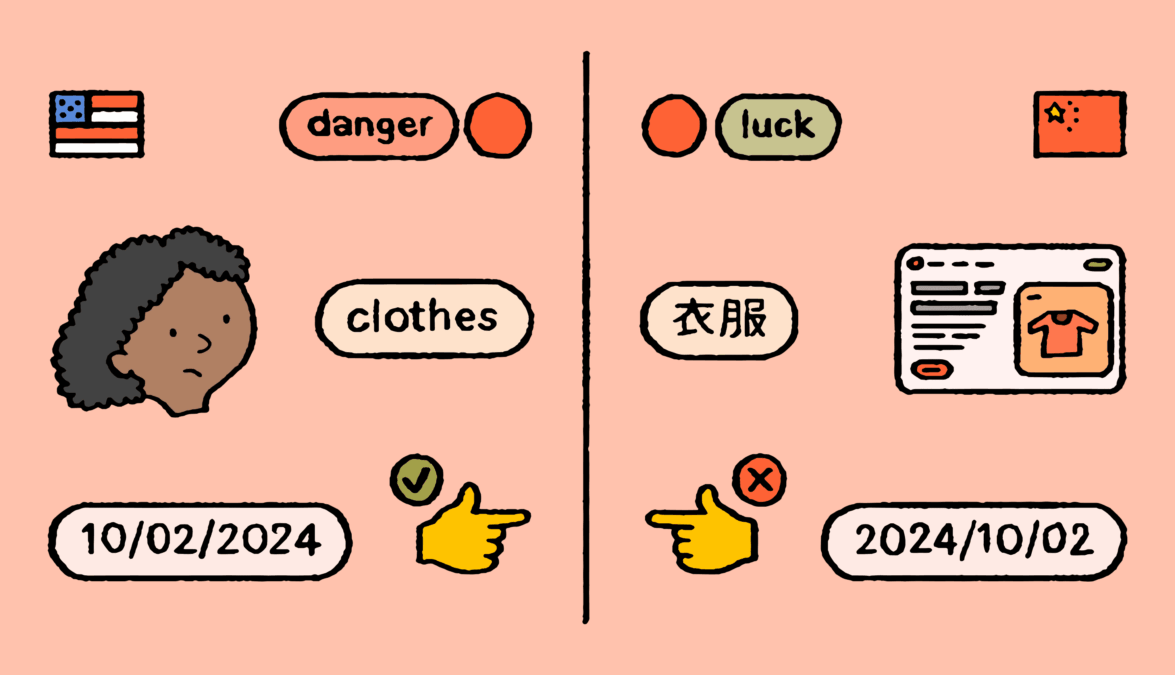
Global Internet leaders and digital inclusion advocates are intensifying efforts to eliminate language barriers online as millions of users across Africa, Asia and other developing regions remain unable to fully access digital services in their native languages.
This formed the central focus of UA Day 2026, a global awareness initiative being organised by Upperlink Limited, in collaboration with the Internet Corporation for Assigned Names and Numbers (ICANN), the United Nations Educational, Scientific and Cultural Organization (UNESCO), and the Universal Acceptance Steering Group for UA Day 2026.
Read also: Local Language Interfaces: A Critical Innovation Gap in Nigerian Fintech
The virtual event, themed “Building a Truly Global, Multilingual #Internet4All,” is scheduled to hold on May 18, 2026, and is expected to gather policymakers, developers, academics, Internet governance experts, startups and technology stakeholders from around the world.
The organisers said the programme is aimed at advancing Universal Acceptance (UA), a global initiative that ensures all domain names and email addresses, regardless of language, script or character length are accepted and function properly across websites, applications and digital platforms.
Industry stakeholders say many Internet systems today still struggle to recognise local language characters and non-English domain names, creating barriers for users seeking to participate online using indigenous languages and local digital identities.
Experts believe this challenge has become more urgent as governments and businesses increasingly move services online while digital economies across Africa continue to expand rapidly.
Speaking ahead of the event, Akano Olusegun, the managing director and CEO of Upperlink Limited, noted that Universal Acceptance is critical to ensuring that billions of Internet users around the world can fully participate online using their native languages and local digital identities.
“As Africa’s digital economy continues to grow, there is an urgent need to build Internet systems that reflect linguistic diversity and provide equal access for all users. UA Day 2026 is an opportunity for stakeholders to collaborate and shape a more inclusive digital future,” Olusegun stated.
The organisers explained that the event will feature live technical demonstrations, expert-led strategy sessions and discussions around how developers and organisations can build systems that support multilingual domain names and local-language email addresses.
Technology analysts say Universal Acceptance has become increasingly important for digital identity, e-commerce, financial technology, education and e-governance services, especially in emerging economies where millions of people communicate primarily in local languages.
They warned that failure to address language barriers online could widen the global digital divide and prevent underserved communities from fully benefiting from the Internet economy.
The initiative also aligns with broader international efforts championed by ICANN and UNESCO to promote digital inclusion, preserve linguistic diversity online and encourage universal Internet participation.
Read also: Why Nigeria must fix the language of conflict now
Stakeholders believe enabling local languages online could unlock new opportunities for innovation, entrepreneurship and local content development across Africa and other developing regions.
Organisers have encouraged developers, students, startups, policymakers, educators, civil society organisations and members of the global Internet community to participate in the discussions.
Participation in the event is free, while registration is open through the official event portal provided by the organisers.
The event is expected to deepen conversations around how the Internet can evolve into a platform that reflects the linguistic and cultural diversity of users worldwide rather than remaining dominated by a few global languages.


Join BusinessDay whatsapp Channel, to stay up to date
Open In Whatsapp