
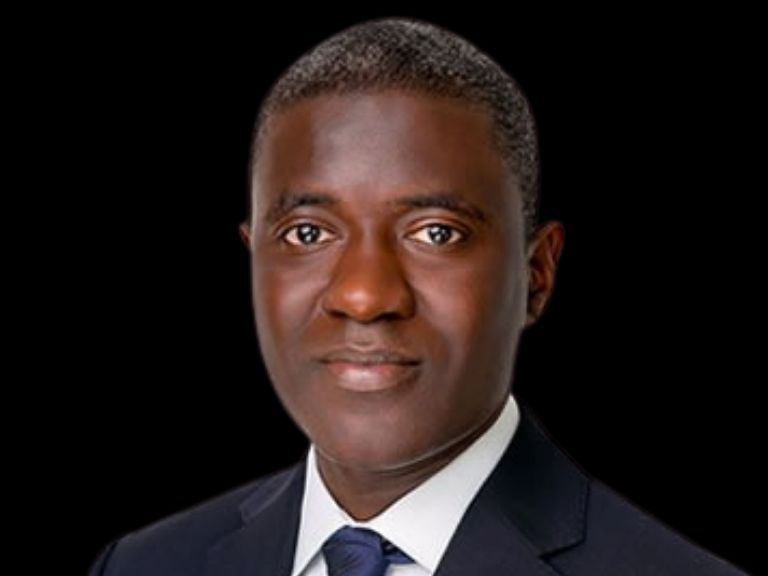
Nigeria’s ambition to build a globally competitive digital economy will depend not only on investments in technology but also on developing digital talent and healthier workforces.
This is according to Aminu Maida, executive vice chairman/CEO of the NCC, and Kelechi Ohiri, director-general and CEO of the National Health Insurance Authority (NHIA), who spoke during a panel session themed ‘Technology, Well-being and Workforce Efficiency’ at BusinessDay’s 14th Annual CEO Forum Nigeria 2026.
The regulators said digital transformation cannot succeed without parallel investments in workforce skills, employee wellness and institutional reforms, adding that technology investments alone will not deliver shared prosperity unless investments match them in people.
Aminu Maida, executive vice chairman/CEO of the NCC, said the country’s next phase of digital transformation requires a stronger pipeline of specialised technology talent capable of supporting emerging innovations across sectors.
“We have established institutes that we are trying to revive because the industry needs specialised skills that can drive innovation,” Maida said.
According to him, while programmes such as the Federal Government’s Three Million Technical Talent (3MTT) initiative are helping to expand digital capabilities, Nigeria must deepen investments in sector-specific training to prepare workers for rapidly evolving technologies.
“This is a challenge we need to take seriously,” he said.
Maida stated that the country’s digital transformation agenda is now broader than expanding telecommunications infrastructure.
“What we are seeing is not just digital transformation; it is really a transitional transformation,” he said. “The structures will change, people will change, and organisations must prepare workers to adapt to new technologies and new ways of working.”
He noted that telecommunications has evolved far beyond connecting people to become the digital backbone powering sectors such as healthcare, education, finance, manufacturing and government services.
“Twenty years ago, telecommunications liberalisation was simply about helping people communicate. Today, connected networks are transforming virtually every sector of the economy. That is why reforms must continue,” he added.
The NCC chief also called for a whole-of-government approach to digital transformation, saying technology policy can no longer operate in isolation because connectivity now underpins national productivity.
Healthy workers are more productive workers
While speaking about the workforce, Kelechi Ohiri, director-general and chief executive officer of the National Health Insurance Authority (NHIA), said Nigerian employers must rethink workplace health as a productivity strategy rather than merely an employee benefit.
According to him, the future of healthcare is shifting from treating illness to preventing disease through wellness programmes, preventive care and broader health insurance coverage.
“The traditional model where healthcare only begins when someone falls sick is changing,” Ohiri said.
He urged organisations to enrol employees in health insurance while also investing in preventive healthcare initiatives that keep workers healthier and more productive over the long term.
“There is curative care, there is prevention, and there is wellness, which is what people need to do today to remain healthy decades from now,” he said.
Ohiri described employee health as an economic investment capable of improving workforce efficiency and reducing long-term healthcare costs.
“It is not simply an expense; it is an investment,” he said.
He also highlighted the growing burden of non-communicable diseases such as diabetes, hypertension and cardiovascular diseases in Nigeria, saying public policy interventions, including measures aimed at reducing excessive sugar consumption, are necessary to improve national health outcomes.
Beyond physical health, he called on employers to integrate mental health support into workplace policies, noting that psychological well-being remains one of the most overlooked aspects of workforce productivity.
“Mental health has been highly stigmatised, but organisations are beginning to recognise that employee well-being extends beyond physical illness,” he said.


Join BusinessDay whatsapp Channel, to stay up to date
Open In Whatsapp