
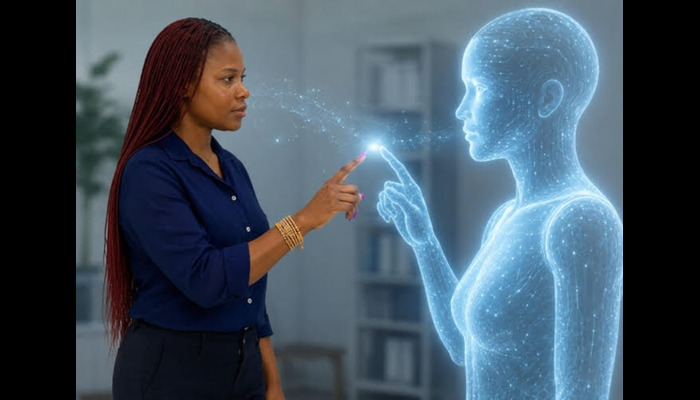
As companies around the world race to adopt artificial intelligence (AI) and automate jobs, Ford Motor Company is offering a different perspective on the future of work which is AI may not replace humans entirely, but instead could increase the value of human expertise.
The American automaker has brought back hundreds of experienced engineers after discovering that AI-powered systems could not fully match the judgement, experience, and problem-solving skills of veteran workers.
This move reflects the already growing debate about whether AI will eliminate jobs or create a new era of human-machine collaboration.
Ford rehired about 350 experienced engineers, internally described as ‘gray beard’ engineers, to improve vehicle quality processes, train younger employees, and help refine the company’s AI tools.
The company found that automated systems used for quality checks struggled to identify certain issues that experienced engineers could detect through years of practical knowledge.
Charles Poon, Ford’s vice president of vehicle hardware engineering, acknowledged that the company underestimated the importance of human expertise when introducing AI into its processes.
The company initially believed that feeding design requirements into AI systems would be enough to produce higher-quality results, but later discovered that human experience remained critical.
Rather than abandoning AI, Ford is now using a hybrid approach as the company is combining AI’s ability to process large amounts of information and automate repetitive tasks with human engineers’ ability to make complex decisions, identify unusual problems, and apply real-world experience.
The development challenges one of the biggest fears surrounding AI adoption which is machines will simply replace workers. Instead, Ford’s experience suggests that many future jobs may change rather than disappear
Artificial Intelligence can help employees work faster, analyse data, detect patterns, and handle routine tasks.
However, human workers still provide creativity, judgement, emotional intelligence, industry knowledge, and the ability to deal with unexpected situations.
The auto industry’s experience could serve as a lesson for other sectors adopting AI, from healthcare and finance to education and media.
Companies that view AI as a replacement for people may miss the value of combining technology with human skills.
Ford’s decision signals a possible shift in the AI conversation from ‘Will AI take our jobs’ to ‘How can humans use AI to do better work?’
As technology continues to evolve, the most successful workplaces may not be fully automated ones, but those where humans and AI work side by side.


Join BusinessDay whatsapp Channel, to stay up to date
Open In Whatsapp