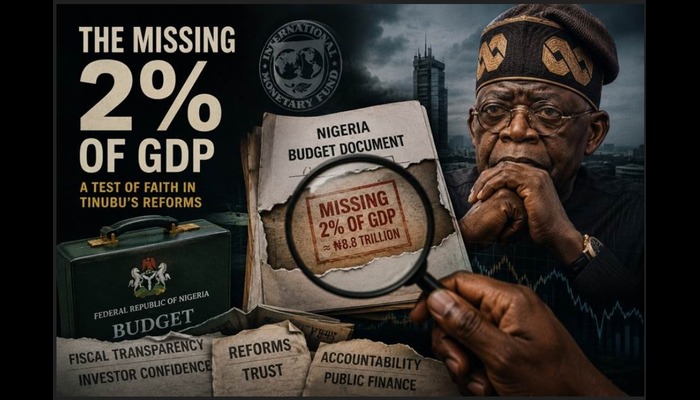
For more than two years, Nigerians have been told that painful economic reforms are the price of a better future. Fuel subsidies were removed. The naira was floated. Electricity tariffs increased. Interest rates climbed. Inflation squeezed household incomes. Through it all, the government maintained that these sacrifices were necessary to restore fiscal discipline, attract investment and put the economy on a stronger footing.
Now, a disclosure by the International Monetary Fund (IMF) is raising a question that goes beyond politics. According