

…Analysts divided as NDC gains momentum
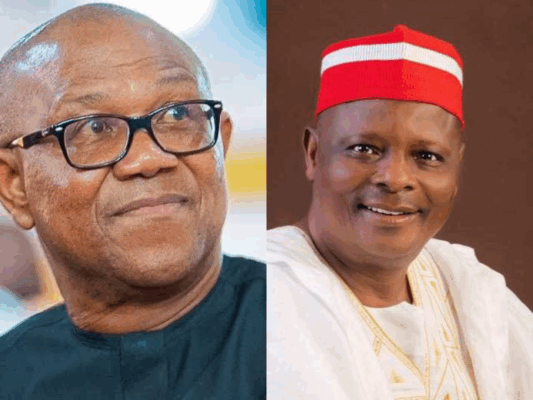
The move by former governors Peter Obi and Rabiu Kwankwaso to dump the African Democratic Congress (ADC) ADC for the newly formed Nigerian Democratic Congress (NDC) has sparked conflicting reactions among political observers ahead of the 2027 presidential election.
Obi announced his resignation from the ADC on Sunday, citing persistent internal crises and a “toxic” political environment. In a statement, he noted that disputes within the party had distracted leadership from addressing pressing national issues. He clarified that his exit was not due to personal disagreements with party leaders, such as former Senate president David Mark or former vice-president Atiku Abubakar.
Read also: Obi, Kwankwaso set to dump ADC over Atiku’s ambition
Strategic alliances and the Abuja summit
Kwankwaso and Obi joined the NDC formally yesterday as both politicians move to realise their presidential ambitions on the new platform. NDC leaders hosted the duo in Abuja on Sunday night. National chairman Moses Cleopas and national leader Senator Seriake Dickson attended the meeting.
Obi and Kwankwaso finished third and fourth respectively in the 2023 presidential election while representing the Labour Party (LP) and the New Nigeria People’s Party (NNPP). They had previously joined the ADC coalition to challenge President Bola Tinubu in 2027. ADC chieftain Buba Galadima said the politicians would formally defect on Monday.
Analysts debate impact on democratic competition
Political scientist Bernard Mikko described the move as strategic. He argued that given the developments in the Labour Party and the People’s Democratic Party (PDP), “politicians will always find platforms to present themselves to the electorate”. Mikko noted that Obi has become a movement supported by young people who believe in his philosophy.
Mikko emphasised that a “strong opposition is vital for a healthy democracy”. However, analyst Jackson Lekan Ojo criticised the move, arguing it weakens opposition efforts and diminishes public confidence. Ojo suggested that many Nigerians now believe Obi is “no longer a serious contender” and perceive these moves as self-serving rather than driven by national interest.
Read also: 2027: NDC courts Obi, Kwankwaso with joint ticket
Fragmentation risks for the 2027 contest
Ojo further argued that moving to a newly formed party “raises questions about their commitment to building a viable alternative”. He warned that this development “has effectively split opposition votes and may inadvertently strengthen President Tinubu’s chances of securing a second term”.
The fragmentation within opposition ranks could create an advantage for the ruling party. Ojo said that voters might begin to “sympathise with the president” amidst what he described as “disorganised opposition politics”.

Join BusinessDay whatsapp Channel, to stay up to date
Open In Whatsapp


