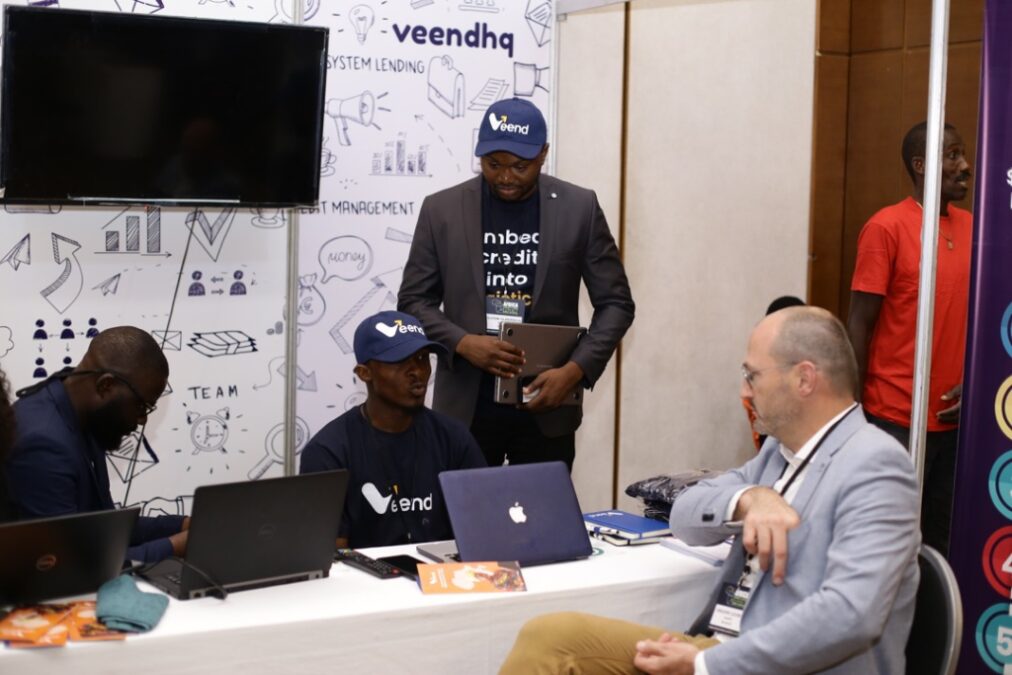
VeendHQ says its artificial intelligence-powered credit platform has recovered N69 million from a N172.5 million portfolio of loans that were more than 90 days overdue, as lenders across Nigeria grapple with rising default rates and mounting pressure on recovery performance.
The fintech said the result, achieved through its Vida AI system, reflects a 40 percent recovery rate—well above typical industry outcomes for similarly aged delinquent loan books, where recoveries are often minimal once loans cross the 90-day mark.
The result highlights a growing shift among lenders from focusing solely on loan origination and credit scoring to deploying technology for repayment monitoring, collections and recovery.
For banks, microfinance institutions and digital lenders grappling with rising non-performing loans, the challenge is increasingly centred on what happens after a loan is disbursed rather than how quickly it can be approved.
“Credit access is only one side of lending. The bigger challenge for many lenders is what happens after disbursement,” said Olufemi Olanipekun, co-founder and chief executive officer of VeendHQ.
“Vida AI helps lenders make smarter decisions across the credit lifecycle, from approval to repayment and recovery.”
According to the company, a conventional five percent recovery rate on the same N172.5 million loan portfolio would have yielded about N8.6 million, underscoring the gap it says technology-driven recovery systems can help close.
Delinquent loans remain one of the biggest cash-flow challenges for lenders. Once facilities become 60 to 90 days overdue, recovery efforts often become more expensive and less predictable, with many institutions relying on manual calls, recovery agents and legal action.
VeendHQ said Vida AI enables lenders to upload overdue loan records, verify borrower information, assess repayment capacity and automate recovery actions, allowing collections teams to focus resources on accounts with higher recovery potential.
The company believes stronger recovery infrastructure could ultimately support credit growth across the economy.
“If lenders cannot recover efficiently, they become more conservative with lending. That affects consumers, small businesses and the wider credit market,” Olanipekun said.
Nigeria’s digital lending industry has expanded rapidly over the past decade, but concerns over default rates and portfolio quality continue to weigh on operators seeking sustainable growth.
As competition intensifies, industry analysts say lenders will increasingly be judged not only by how quickly they can approve loans but also by how effectively they can recover them.
“As lending expands across Nigeria and Africa, recovery infrastructure is becoming as critical as origination,” Olanipekun said. “Tools that improve both will define which lenders can scale sustainably.”

Join BusinessDay whatsapp Channel, to stay up to date
Open In Whatsapp