Members of the Senate Committee on Appropriations have called for the full removal of electricity subsidies as part of broader efforts to boost federal government revenue and ease fiscal pressures.
The lawmakers made the call on Monday during a public hearing on the 2026 budget proposal at the National Assembly.
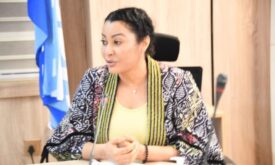
Speaking at the session, Adeola Olamilekan, chairman of the Committee, said reforms in the power sector must include the complete elimination of subsidies, describing them as a significant drain on public finances.
Olamilekan, who represents Ogun West Senatorial District, argued that despite the unbundling of the electricity sector and recent constitutional amendments empowering states to generate power, electricity subsidies remain a heavy fiscal burden.
“We must complete the unbundling and subsidy removal in the electricity sector. States are now empowered to generate power, but subsidy in that sector remains a major fiscal burden. It must be fully addressed. It is to free up revenue for us,” he said.
The senator noted that Nigeria’s annual revenue is insufficient to meet the spending needs of government agencies, adding that continued subsidy payments only worsen the budgetary strain.
“I quite agree with the school of thought that the revenue we have is not enough to fund our budget, then why are we budgeting?” he said.
According to him, removing electricity subsidies, like petrol subsidies, would free up trillions of naira annually, allowing more funds to flow into government coffers to support budget implementation.
“By the time we free up subsidy, that means no payment of subsidy that runs to several trillions of naira. All these revenue involved will return to the coffers of the government as part of the funds accrued to the federal government to fund the budget,” Olamilekan added.
He stressed that reforms alone are not sufficient, warning that effective implementation is critical to achieving desired outcomes.
“Reform is not enough; it depends on the level of how it is implemented and embedded into people-oriented programmes of the government,” he said, noting that the 2026 budget has been framed as a “budget of consolidation” based on ongoing reforms.
Read also: Senate says borrowing unavoidable, bars budget rollovers, targets electricity subsidy removal
For years, the federal government has subsidised electricity tariffs to cushion consumers, repeatedly acknowledging that the policy costs trillions of naira annually.
However, analysts warn that removing the subsidy could push electricity tariffs higher, deepen economic hardship and increase operating costs for households and businesses.
Senate defends continued borrowing
During the hearing, Olamilekan also defended the federal government’s plan to borrow about N25.91 trillion to partly finance the 2026 budget, saying borrowing is a global practice, even among advanced economies.
“Every government of the world, including America, has a very high debt-to-revenue ratio. We don’t have bulk revenue,” he said, explaining that revenue inflows are uneven and cannot meet government obligations at once.
He said borrowing is unavoidable to keep government operations running, adding that Nigeria would source funds from both domestic and international markets, including Eurobonds and other global financial instruments.
The senator warned that failure to meet debt obligations could damage Nigeria’s credit rating and limit access to future financing.
“It’s not only this present administration that we are servicing its debts. We are still paying obligations from past administrations,” he said.
Olamilekan commended the current administration for meeting its debt obligations but stressed the urgency of unlocking additional revenue streams to address persistent budget deficits.
“We must free up more of our revenue to address these deficit challenges currently confronting us,” he said.

Join BusinessDay whatsapp Channel, to stay up to date
Open In Whatsapp