The National Information Technology Development Agency (NITDA) is pushing for a major shift in Nigeria’s infrastructure development strategy, arguing that every new infrastructure project should have a digital component if the country hopes to achieve its industrialisation and economic growth ambitions.
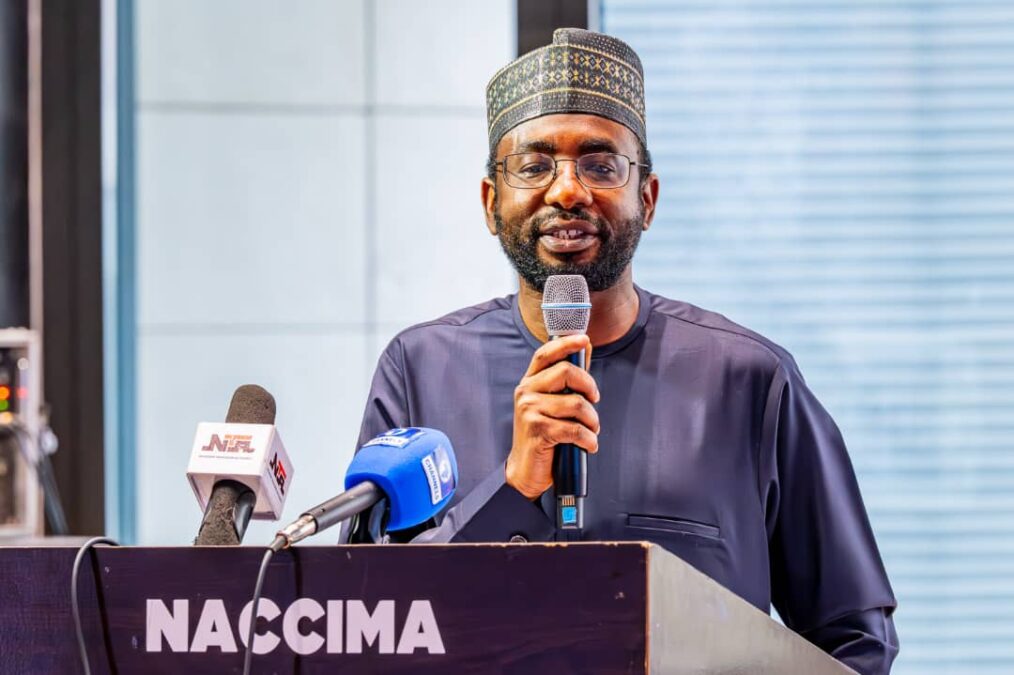
Speaking at the maiden edition of the Nigeria Infrastructure Conference (INFRACON 2026) in Abuja, Kashifu Inuwa, NITDA director-general, said digital infrastructure can no longer be treated as a standalone sector but must be integrated into roads, ports, power projects, industrial hubs and other critical national assets.
Read also: MTN Champs star Lucy Nwankwo wins double gold for Nigeria in Dakar
The conference, organised by the Nigerian Association of Chambers of Commerce, Industry, Mines and Agriculture (NACCIMA), focused on mobilising private capital for sustainable infrastructure development in Nigeria.
“We cannot talk about infrastructure without digital infrastructure. All organisations and industries are becoming digital. Technology is increasingly integrated into how economies function. There is therefore a need to integrate digital infrastructure into the conventional infrastructure we are building,” Inuwa said.
His comments reflect a growing recognition among policymakers that digital connectivity, data systems, cloud infrastructure, artificial intelligence and broadband networks are becoming as important to economic growth as roads, electricity and transport systems.
For decades, Nigeria’s infrastructure debate has largely centred on power generation, roads, railways, ports and housing. However, experts increasingly argue that countries seeking to compete in the digital economy must invest heavily in broadband networks, data centres, digital identity systems, cloud services and emerging technologies.
Inuwa said integrated infrastructure would help create more efficient cities, improve productivity, support businesses and strengthen communities in an increasingly digital world.
His remarks come as Nigeria seeks to accelerate industrialisation, diversify its economy and deepen digital adoption across key sectors.
Digital infrastructure has become a critical enabler of modern manufacturing, logistics, healthcare, education and financial services. Without reliable connectivity and digital platforms, many traditional infrastructure investments may struggle to deliver their full economic value.
Beyond advocating digital integration, NITDA also signalled its support for stronger collaboration between government and private investors to address Nigeria’s vast infrastructure deficit.
Inuwa said the federal government had already created opportunities for Public-Private Partnerships (PPPs) and encouraged the organised private sector to participate more actively in infrastructure development.
“The government has initiated Public-Private Partnerships for the private sector to be part of building the infrastructure. NITDA will support you to work with the government in building the digital infrastructure,” he said.
The agency is already working with NACCIMA on plans to digitise some of the chamber’s operations and infrastructure, according to the NITDA chief.
The push comes at a time when public finances remain constrained, forcing policymakers to seek alternative funding sources for infrastructure projects critical to economic growth.
In his welcome address, Jani Ibrahim, NACCIMA president, said the conference was designed to become Nigeria’s leading platform for attracting private investment into infrastructure projects.
According to him, closing Nigeria’s infrastructure gap will require stronger partnerships between government, investors and the private sector.
He said NACCIMA was taking steps to identify investment-ready projects, attract committed partners and track implementation progress in support of national economic goals.
“This conference is conceived to serve as Nigeria’s foremost platform for mobilising private capital, innovative ideas and strategic partnerships for infrastructure development,” Ibrahim said.
He identified power and electricity, maritime and blue economy, digital economy, digital infrastructure, industrialisation and export growth as priority sectors requiring urgent investment.
The conference also highlighted growing efforts by policymakers to position Nigeria as a leading destination for digital investment in Africa.
Nigeria’s digital economy has expanded rapidly over the last decade, driven by fintech innovation, telecommunications growth, e-commerce and increasing internet penetration. However, infrastructure gaps continue to limit the sector’s full potential.
Read also: Man United seal £36m Tielemans deal as Belgian targets major trophies
Stakeholders at the event argued that greater investment in digital infrastructure would help attract businesses, improve competitiveness, create jobs and support export-led growth.
Ibrahim said achieving Nigeria’s ambition of becoming a one-trillion-dollar economy would depend heavily on the country’s ability to build modern infrastructure capable of supporting industrial expansion and technological innovation.
“Together, we can mobilise the capital, build the infrastructure that powers industrialisation, expand exports, create jobs and deliver sustainable prosperity,” he said.


Join BusinessDay whatsapp Channel, to stay up to date
Open In Whatsapp