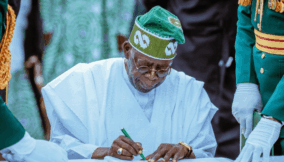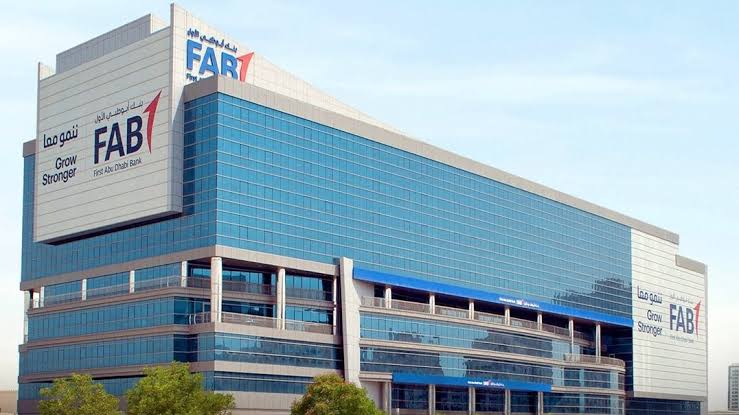
Nigeria has drawn the first tranche of its planned $5-billion financing arrangement with the United Arab Emirates-based First Abu Dhabi bank (FAB). This marks a key step in the strategy of President Bola Tinubu to secure cheaper foreign funding for budget implementation, infrastructure development, and debt refinancing amid elevated global borrowing costs.
The drawdown comes months after the National Assembly approved the Federal Government’s request to raise up to $5-billion through a structured Total Return Swap (TRS) arrangement with the Abu Dhabi lender, one of the largest banks in the UAE. The facility forms part of a broader external borrowing programme aimed at supporting the 2026 budget and easing pressure on public finances.
Easing pressure through structured funding
According to Bloomberg, the transaction is designed to provide Nigeria with access to dollar funding at lower costs than conventional international borrowing. This comes at a time when geopolitical tensions and higher global interest rates have increased financing costs for emerging and frontier markets.
The Tinubu administration has argued that proceeds from the facility will be deployed towards priority infrastructure projects, budget execution, and the refinancing of expensive domestic and external obligations. Officials believe the arrangement could help reduce debt-service costs while broadening the government’s financing options.
Multilateral scrutiny over derivative risks
However, the financing structure has attracted scrutiny from multilateral institutions and market observers. The International Monetary Fund (IMF) recently cautioned Nigeria against excessive reliance on derivative-based funding arrangements, warning that such instruments are complex and lack transparency.
Christian Ebeke, IMF resident representative in Nigeria, said transactions of this nature could expose countries to hidden financial risks and make it difficult to assess the full cost of borrowing. The fund suggested that Nigeria could explore alternative financing options, including Eurobond issuances and concessional loans, which are generally more transparent.
Debt burden and investor confidence
The Senate approved the swap arrangement in April alongside other components of the government’s external borrowing plan. At the time, President Tinubu informed lawmakers that Nigeria’s public debt stock stood at about $110.3-billion as of December 2025, acknowledging that the new financing would add to the country’s debt burden.
Read also: IMF cautions Nigeria over $5bn financing swap deal with UAE lender
Despite concerns, the government maintains that the swap facility offers a practical route to securing foreign capital in a challenging global environment. The successful drawdown of the first tranche is expected to test investor confidence in the structure and could determine whether Nigeria proceeds with the remaining portions of the $5-billion programme.

Join BusinessDay whatsapp Channel, to stay up to date
Open In Whatsapp