Lagos State has issued 14 new power plant licenses to independent power producers (IPPs), boldly pioneering Nigeria’s decentralised electricity framework as the first to shift from federal to state-level regulation
This aligns with the megacity’s Electricity Law 2024, which aims to generate, transmit, and distribute electricity independently. The 14 licensing operators included off-grid generation, metering systems, and embedded generation – all different ways of producing, measuring, and distributing electricity outside of the traditional, centralised, and high-voltage national grid.
Read also: Nigeria’s electricity is cheaper than everywhere — and that the problem
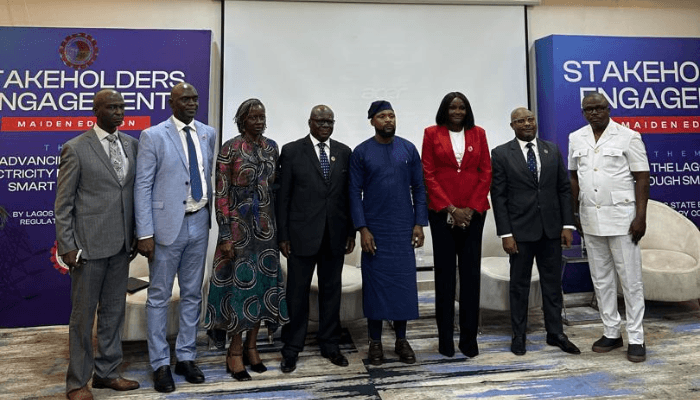
At the recent Lagos State Electricity Regulatory Commission (LASERC) stakeholders’ engagement in Lagos, under the theme ‘Advancing the Lagos Electricity Market Through Smart Regulations’, executives revealed the state’s plan to end electricity blackouts by fostering a local, sustainable, and competitive market.
Temitope George, chief executive officer of LASERC, said these operators will be providing more megawatts capable of boosting electricity distribution to households and industries, particularly businesses that are weighed down by weak power supply.
“These 14 new operators will be providing more megawatts. We are also licensing more GENCOs,” she said.
Recalling the Power Purchase Agreements (PPAs) signed two Sundays ago at the State House with three IPPs as part of efforts to expand electricity generation to an average of 300 megawatts in the near future, she said this will ensure Lagosians enjoy “24-7 power.”
“What we want to achieve is a fully efficient market where investors will cover all reasonably incurred costs and receive a reasonable return,” George explained.
She emphasised that sustainable progress within the electricity sector can only be achieved through strong partnerships, shared responsibility, and continuous stakeholder engagement.
According to her, the ongoing reforms within the Lagos electricity ecosystem present significant opportunities for investment, infrastructure development, innovation, and the adoption of modern and clean energy technologies.
George reiterated LASERC’s vision of becoming a leading electricity regulator by facilitating sustainable electricity development and enhancing the quality of life for all residents of Lagos State. She said that the commission remains committed to setting and enforcing standards, safeguarding consumers, enabling investments, supporting innovation, and promoting clean energy solutions across the state.
Some of the companies that received power plant licenses include Axxela Limited with a capacity of 5.8MW; Daybreak Power Solutions Limited with a combined capacity of 16,224kWp across multiple locations; Isolo Power Supply Limited; New Hampshire Capital Limited, which is a meter asset provider; GoosLink Engineering Limited with a capacity of 330KV; and Enaro Energy Mini-Grid Limited, which is an interconnected mini-grid, amongst others.
Read also: Electricity will remain epileptic until Nigeria embraces nuclear energy – Prof. Inyang
The energy companies obtained their permits after adherence to regulatory requirements and industry standards.
Describing the move as “farewell to the culture of darkness”, Biodun Ogunleye, the state commissioner for Energy and Mineral Resources, said Lagos is committed to reducing blackouts and increasing electricity supply to every community.
He explained that the state government would not compete with businesses but would regulate and supervise competition, emphasising that “energy reform is not just government business.”

Join BusinessDay whatsapp Channel, to stay up to date
Open In Whatsapp