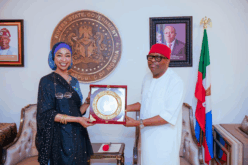
The Deutsche Gesellschaft für Internationale Zusammenarbeit (GIZ) and Borno Plastic Industries Limited (BOPLAS), in partnership with Tatabe Global Services Limited, have rolled out measures to create employment opportunities from the waste menace to green jobs as part of efforts to combat climate change, poverty, and restiveness among youth and women in the state.
The initiative aims to promote inclusive plastic recycling as a pathway to environmental sustainability, climate resilience, and economic empowerment in Borno State.
Aliyu Usman, the Director-General of the Borno State Great Green Wall, spoke during an inception meeting for the POPLAS -GIZ Supporting Sustainable Social Protection, Participation and Economic Resilience in Northeast Nigeria (SEPIN SUSI) held in Maiduguri.
According to him, it underscores the need to address the growing environmental and socio-economic challenges associated with plastic waste accumulation in Maiduguri, where rapid urbanisation, inadequate waste management systems, and indiscriminate plastic disposal contribute to flooding, pollution, public health risks, and greenhouse gas emissions.
“I think this project will create jobs. It would create job opportunities by turning waste into wealth. This is a massive opportunity for our youths and women to turn their waste into wealth.
“This initiative will help the Borno State Government, with the support of GIZ, recognise the untapped economic value of recyclable plastic waste and seek to transform it into a source of sustainable livelihoods for vulnerable communities.
“The initiative is expected to create inclusive green jobs, strengthen household incomes, improve environmental sanitation, reduce plastic pollution, and promote climate-smart community practices. It will also strengthen private sector participation in local development, encourage the adoption of circular economy principles, and demonstrate how market-based partnerships can deliver sustainable environmental and economic outcomes in fragile and conflict-affected settings, “Usman
Also, Falmata Umara Lawan, the Director of Women and Gender at the State Ministry of Women Affairs, opined that there is a need for greater enlightenment and training to enable women to understand the concept of waste value addition, citing knowledge gaps among youths and women in the state.
“The project would address unemployment and joblessness among our teeming youths. It is a strategic and timely response to address challenges, but we need more information and training to enable women to understand the business. That’s the only area we are appealing to the GIZ and its partners to ensure they are well-trained on this,” she disclosed.
On his part, Papka Wabbas, BOPLAS Industries Limited, said it will establish a structured, market-driven plastic recycling system that empowers members of Ward Development Support Committees (WDSCs), women and youth cooperatives, and other community groups to collect, sort, aggregate, and sell recyclable plastics through designated community collection centres.
“BOPLAS will provide technical training, transparent market information, guaranteed off-take arrangements, and access to established recycling markets.
“As a pilot model, the partnership will generate evidence and lessons to inform the expansion of inclusive recycling systems across Borno State and beyond, while contributing to the state’s environmental protection agenda and broader efforts to build resilient communities through sustainable economic opportunities.”He said.
The initiative was launched by the Supporting Sustainable Social Protection, Participation and Economic Resilience in Northeast Nigeria (SEPIN SUSI) Programme, commissioned by the German Federal Ministry for Economic Cooperation and Development (BMZ), co-funded by the European Union (EU), and implemented by Deutsche Gesellschaft für Internationale Zusammenarbeit (GIZ) GmbH.

Join BusinessDay whatsapp Channel, to stay up to date
Open In Whatsapp