…Wants eradication of malaria in the continent
The Foundation for the Healing of the African Slave Era Atrocities has launched a global proclamation calling for healing, justice and restoration over the trans-Atlantic slave trade through a five-point framework centred on Recognition, Repentance, Restitution, Reparations and Restoration.
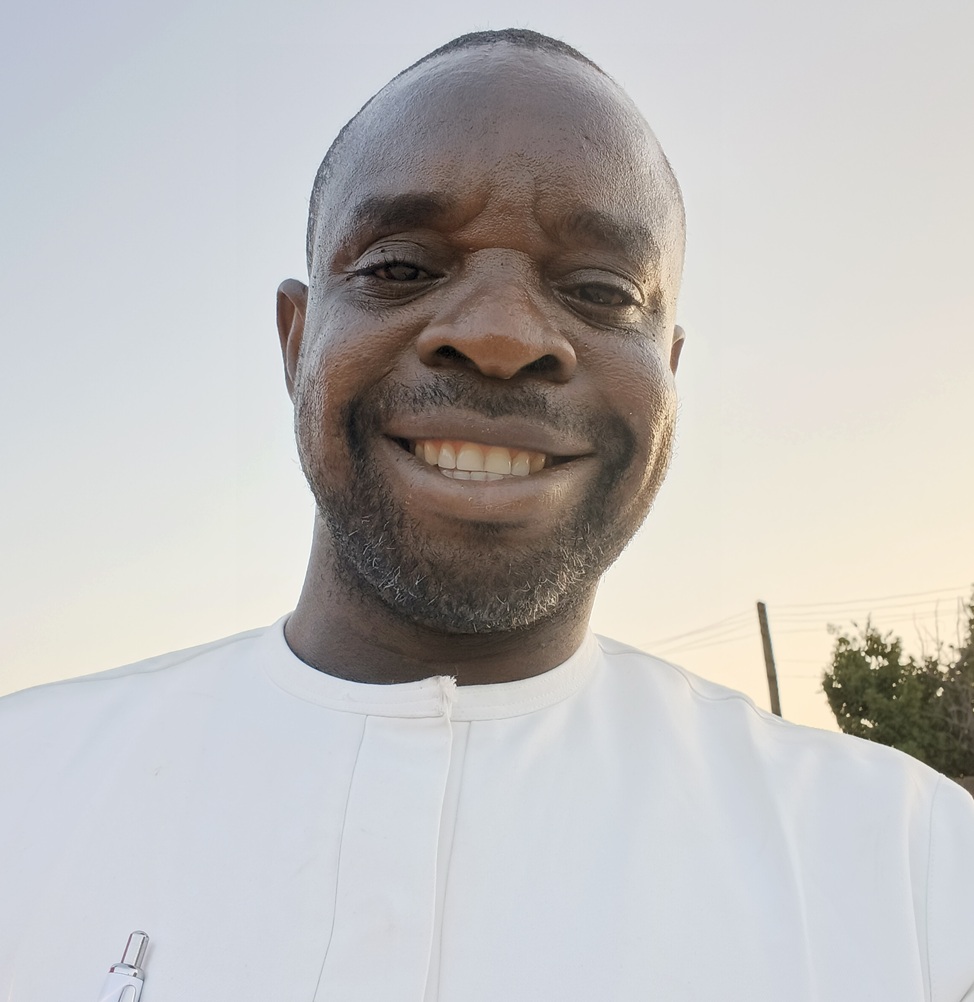
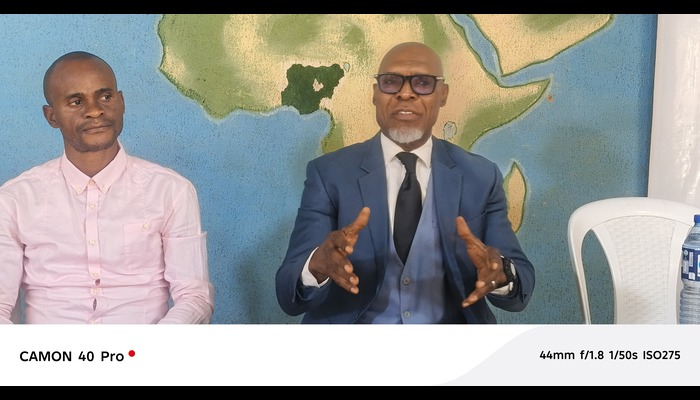
The proclamation, unveiled at a press conference held at the Tree of Life Garden in Jos on Thursday, was read by Joshua Egbagbe, who is also the Apostolic Overseer of Abba Father Assembly and Convener of the Foundation.
He said the initiative seeks to complement existing legal and diplomatic reparations efforts with what he described as an apostolic and faith-inspired pathway for healing the wounds of the African slave era.
“The Foundation for the Healing of the African Slave Era Atrocities concurs with the growing international consensus on reparatory justice from a non-condemnatory position. We seek an open-hearted and Christlike process of Recognition, Repentance, Restitution, Reparations and Restoration to heal, including the often-overlooked psycho-spiritual damage done to the psyche of enslaved African peoples,” Egbagbe said.
He added: “The world has spoken, and the legal and moral foundations are in place. The Foundation now adds the apostolic healing that legal and diplomatic instruments alone cannot supply, calling this cause to its deepest roots and seeking healing for generations affected by the wounds of slavery.”
According to him, the proclamation, titled “Dum Concordes — Est Sanatio” meaning “While in One Accord — there is Healing,” was deliberately released on June 18, 2026, exactly 574 years after the issuance of the Papal Bull Dum Diversas on June 18, 1452, which the Foundation described as having provided theological justification for the enslavement of African peoples.
“The goal is not the punishment of the guilty but the healing of the broken; not the humiliation of Europe but the restoration of Africa; not the perpetuation of grievance but the completion of justice,” he stated.
He called on the Holy See to formally and canonically abrogate five Papal Bulls linked to the slave trade, while urging European governments to enact parliamentary recognitions of their roles and participate in a proposed 5Rs Afro-Euro Reparations and Development Fund.
He also appealed to African governments and traditional institutions to acknowledge internal participation in the slave trade and support the establishment of African Institutes of Freedom and Blue Economy across nine historic slave gateway nations, including Nigeria, Ghana, Senegal and Sierra Leone.
The proclamation further sought collaboration with the United Nations, the African Union and European nations in advancing reparatory justice, while describing the 5Rs Framework as a faith-inspired complement to existing international initiatives.
Speaking on compensation, Egbagbe said reparations should go beyond monetary payments and focus on long-term investments that would address the developmental setbacks caused by centuries of slavery and exploitation.
He proposed the establishment of special development projects across Africa, including maritime universities and Freedom Museums in former slave gateway countries, as well as a continent-wide health initiative to eradicate malaria.
According to him, malaria continues to claim millions of lives, particularly among African children, and countries that benefited from slavery should support efforts to eliminate the disease as part of a broader reparative justice agenda.
He further proposed that former slave-trading nations should commit to financing a percentage of African countries’ budgets through structured development programmes aimed at transforming rural communities, improving healthcare, education and infrastructure.
The intervention, he said, should not be viewed as charity but as a moral and historical obligation to help reverse the social, economic and psychological damage inflicted on Africa during more than five centuries of the transatlantic slave trade.
The Apostle explained that the document was reviewed by Stephen Sinikiem Azaiki and members of the Editorial Committee of the Foundation, with the organisation expressing hope for a broad coalition of governments, institutions and individuals committed to what it termed “the healing of history and the restoration of human dignity.”

Join BusinessDay whatsapp Channel, to stay up to date
Open In Whatsapp