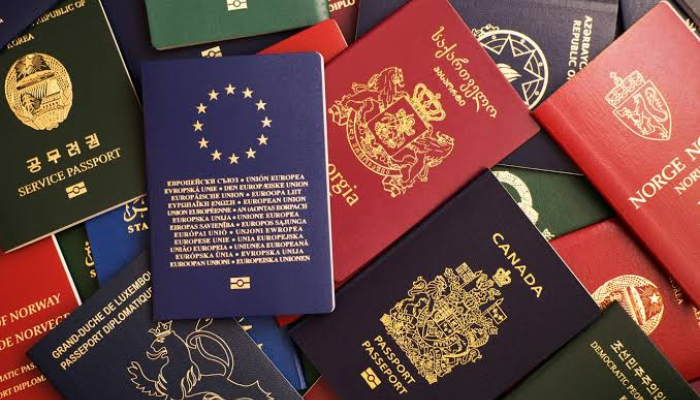
Interest in second passports continues to grow as more people look for greater travel access, business opportunities and long-term security. While some citizenship routes require years of residence, language tests and complex immigration procedures, others offer a direct path through ancestry or investment.
For many applicants, the decision is driven by practical needs rather than lifestyle changes. A second passport can provide visa-free travel, access to new markets, education opportunities and an alternative place to live if circumstances change at home.
In 2026, several countries will continue to offer some of the most accessible citizenship pathways. Some rely on family heritage, while others operate citizenship-by-investment (CBI) programmes that allow qualified applicants to obtain nationality after making a financial contribution.
Read also: These 10 countries supply nearly half the world’s food exports
Here are five countries offering some of the easiest routes to a second passport in 2026.
1. Ireland
Ireland remains one of the easiest countries for people with Irish ancestry to obtain a second passport. Individuals with an Irish-born grandparent may qualify for Irish citizenship by registering on the Foreign Births Register.
Unlike many citizenship programmes, this route does not require applicants to relocate, invest money, take language tests or spend years living in the country. Instead, applicants must provide documents proving their family connection, including birth certificates, marriage certificates and other official records.
Once citizenship is granted, applicants receive an Irish passport, which provides the right to live, work and study across the European Union. It also offers visa-free or visa-on-arrival access to more than 190 destinations.
The process can take time because of application volumes, but it remains one of the lowest-cost pathways to a second passport.
2. St. Kitts and Nevis
St. Kitts and Nevis operates the world’s oldest citizenship-by-investment programme, having launched it in 1984.
Applicants can qualify by contributing at least 250,000 US dollars to the Sustainable Island State Contribution fund for a family of up to four. The programme does not require applicants to live in the country before or after obtaining citizenship.
Processing generally takes around four months after all checks have been completed.
A passport from St. Kitts and Nevis provides visa-free or visa-on-arrival access to about 157 countries, including the United Kingdom and countries within the Schengen Area.
The government has also strengthened due diligence requirements in recent years as Caribbean countries continue efforts to improve oversight of investment migration programmes.
3. Vanuatu
Vanuatu continues to attract applicants looking for one of the quickest citizenship processes available.
Through its Development Support Programme, approved applicants may receive citizenship within 45 to 60 days. In some cases, processing may be completed even sooner.
The minimum contribution starts at 130,000 US dollars for a single applicant. There are no residency requirements, language examinations or mandatory visits to the country during the application process.
Vanuatu also operates a tax system with no personal income tax, capital gains tax, inheritance tax or corporate tax.
However, applicants should note that the country’s passport no longer provides visa-free access to the Schengen Area after the European Union suspended the arrangement in 2022. Even so, the programme remains an option for those who place greater value on processing speed.
4. Grenada
Grenada offers citizenship through investment with a minimum contribution of 235,000 US dollars.
Successful applicants are not required to reside in the country, and processing generally takes between four and six months.
The Grenadian passport allows visa-free or visa-on-arrival travel to about 147 countries, including the United Kingdom and the Schengen Area.
One feature sets Grenada apart from other Caribbean citizenship programmes. It is the only Caribbean country with an E-2 Treaty with the United States.
This means individuals who become Grenadian citizens through investment may apply for a U.S. E-2 investor visa, allowing them to establish and operate a business in the United States if they meet the visa requirements.
For entrepreneurs planning commercial activities in the U.S., this pathway offers an option not available through other Caribbean investment programmes.
5. Dominica
Dominica continues to offer one of the lowest financial entry points among Caribbean citizenship-by-investment programmes.
Applicants can qualify by making a minimum contribution of 200,000 US dollars to the Economic Diversification Fund. The programme does not require residency, language tests or visits to the country.
Applications are generally processed within three to four months.
A Dominican passport provides visa-free or visa-on-arrival access to around 145 countries.
Like other Caribbean programmes, Dominica has strengthened its due diligence procedures following international scrutiny of earlier vetting processes. While changes to visa arrangements have affected access to some destinations, the programme remains a widely used option for investors seeking a second nationality.

Join BusinessDay whatsapp Channel, to stay up to date
Open In Whatsapp