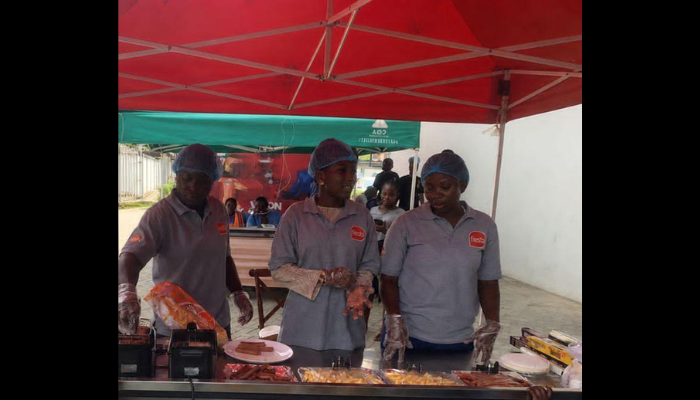
Nigeria’s growing appetite for frozen and ready-to-cook foods is prompting companies such as Fiesta Foods to accelerate investment in cold-chain infrastructure, strengthening their capacity to deliver safe, convenient, and consistently high-quality food products to consumers across the country.
The opportunity is significant and expanding rapidly. According to Statista Market Insights, revenue in Nigeria’s ready-to-eat meals market was projected to reach $7.76 billion in 2025, with annual growth of 9.86 per cent between 2025 and 2030. More broadly, Nigeria’s overall food market was expected to generate $227.8 billion in revenue in 2025, underlining the scale of consumer demand for packaged and convenience-oriented foods.
Across major cities including Lagos, Abuja, and Ibadan, shifting consumer behaviour is fueling demand for convenience-oriented food products, particularly frozen chicken, frozen fries, and ready-to-cook protein. Analysts say the trend reflects the combined effects of rapid urbanisation, rising living costs, and tighter time constraints on households.
“Consumers are no longer looking only for affordability. They want consistency and safety,” said an Abuja-based agribusiness analyst. “That is where companies like Fiesta Foods are positioning themselves.”
Operating under Sayed Farms Limited, Fiesta Foods has developed an integrated model that combines poultry farming, food processing, and nationwide distribution. The company produces chicken and frozen sausages locally and also distributes mozzarella cheese, white fish fillet, salted and unsalted butter, and frozen fries through its expanding retail and distribution network.
This vertically integrated structure enables Fiesta Foods to maintain tighter control over quality throughout the value chain. The model is supported by biosecure farming systems, modern processing facilities, and refrigerated logistics designed to preserve product integrity from farm to consumer.
The importance of efficient cold-chain systems in Nigeria is significant. Without reliable temperature control, frozen products can deteriorate, compromising both nutritional value and food safety.
For food processing companies, this remains one of the most persistent operational constraints. Fiesta Foods continues to invest in infrastructure and technical expertise to address these gaps. Its operations depend on trained personnel in veterinary care, food safety monitoring, and logistics coordination, all of which are essential to maintaining high standards of food safety.
Industry observers note that such investments will be central to the sector’s long-term growth, particularly as demand increases for affordable sources of protein.
With a population of more than 200 million people, Nigeria offers significant opportunities for companies capable of delivering quality at scale. Through sustained investment in production capacity and distribution systems, Fiesta Foods and its parent company, Sayed Farms, are positioning themselves to meet the next phase of growth in Nigeria’s food industry.

Join BusinessDay whatsapp Channel, to stay up to date
Open In Whatsapp