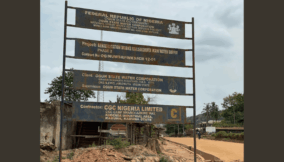
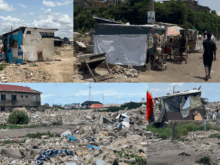
The Ogun State Government has attributed the persistent disruption of water supply in parts of Abeokuta to the damage of distribution pipelines caused by road construction and urban renewal projects carried out by the previous administration.
The response followed BusinessDay’s July 3, 2026, investigation titled “Despite N13bn investments, pipe-borne water still luxury in Ogun capital,” which documented how residents across Abeokuta continue to rely on boreholes, wells, and water vendors despite years of public investment aimed at improving access to potable water.
Responding to the report, the government disputed BusinessDay’s finding that the French Development Agency (AFD)-funded Ogun Urban Water Supply Project had failed, insisting that the intervention improved water production and distribution across the state.
In a statement by Damilola Otubanjo, the Special Adviser to the Governor on SDGs and Water Resources, the Ogun State Water Corporation (OGSWC), the government said the project, implemented between 2015 and 2023 under a $33.75 million facility, upgraded major components of the state’s water infrastructure.
According to her, the intervention increased the treatment capacity of the Abeokuta Water Scheme from 25 million litres per day to 82 million litres per day, delivered more than 250 kilometres of distribution pipelines, provided over 5,000 customer connections, and installed 6,000 water meters.
Read also: Tinubu pledges potable water expansion across all FCT area councils
Otubanjo added that more than 13,000 customers are currently served across Ogun State, with over 7,000 connected through the AFD-funded network in Abeokuta.
The Special Adviser, however, acknowledged that some residents continue to experience an irregular water supply.
She attributed the situation largely to pipeline damage caused during extensive road construction and urban renewal projects undertaken by the immediate past administration.
“The supply challenges being experienced in parts of Abeokuta North and Abeokuta South were largely the result of pipelines damaged during extensive road construction and urban renewal works,” she noted in the statement.
Otubanjo claimed the water corporation has begun reconnecting affected communities and restoring supply through newly installed transmission mains.
She cited Lakesin as one of the areas already reconnected through the Temidire reservoir network.
Speaking on the government’s efforts to improve service delivery, the Special Adviser disclosed that the corporation had repaired more than 800 pipeline leaks and bursts since January 2025, installed over 1,200 additional water meters, provided more than 3,600 new customer connections and introduced a WhatsApp-based customer complaint platform.
She also clarified that the N450 million federal allocation for the desilting of the Arakanga Water Reservoir has not yet been released.
She argued that the Ogun Urban Water Supply Project was fully completed and had achieved its objectives, insisting that current supply disruptions should be viewed as temporary consequences of damaged pipelines rather than evidence of project failure.
BusinessDay Investigation in the report had highlighted the experiences of residents who said they still depended on alternative water sources despite repeated government investments in the sector.
This paper also examined the gap between government expenditure and service delivery outcomes.
While official records showed substantial investments in water infrastructure, many residents insist they spend money daily on alternative water sources.

Join BusinessDay whatsapp Channel, to stay up to date
Open In Whatsapp