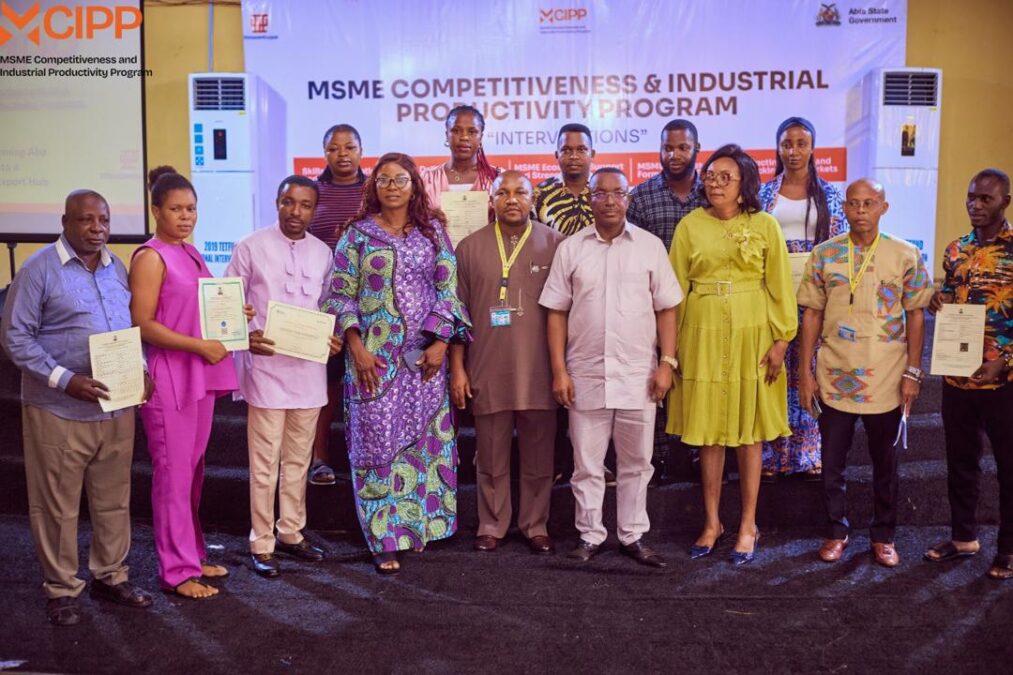
The Abia State Government is certifying 1,000 artisans under its MSME Competitiveness and Industrial Productivity Programme (MCIPP), becoming the first state to implement the National Board for Technical Education’s (NBTE) Recognition of Prior Learning (RPL) framework at this scale.
Implemented in partnership with Ethnocentrique Limited, the programme enables experienced artisans to obtain nationally recognised certifications based on demonstrated competencies rather than formal academic qualifications, supporting the NBTE’s “Skills, Not Degrees” campaign to formally recognise millions of skilled Nigerians without conventional educational credentials.
According to Ethnocentrique, Abia’s intervention will certify 1,000 artisans, more than the approximately 500 artisans certified nationwide under the NBTE’s RPL programme since its rollout across Nigeria’s six geopolitical zones.
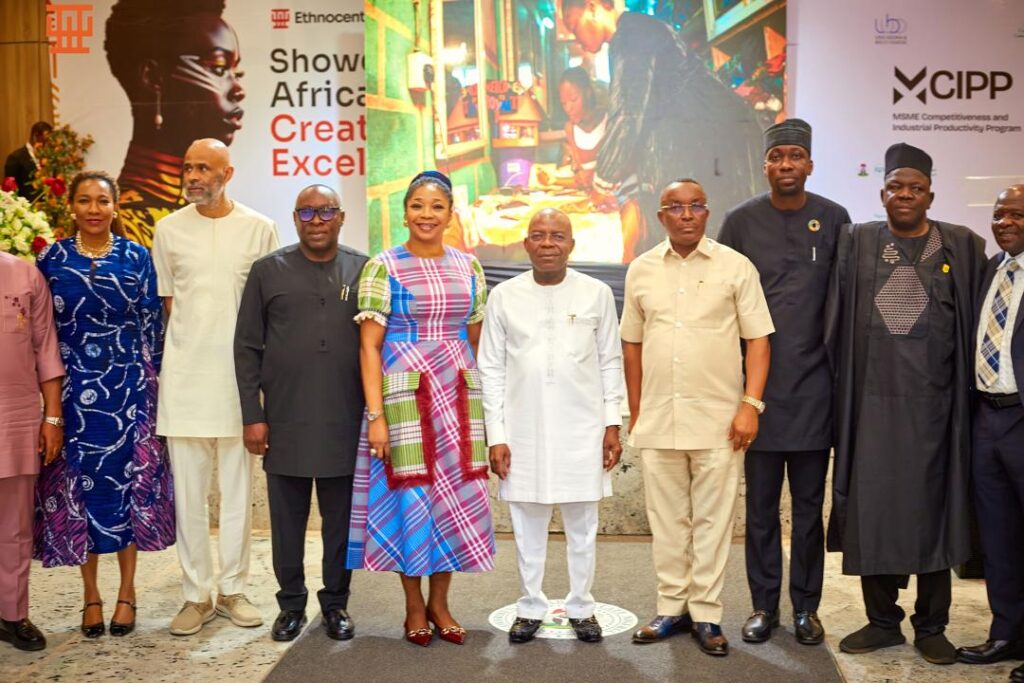
Beyond artisan certification, the MCIPP is strengthening the competitiveness of micro, small and medium-sized enterprises (MSMEs) through business formalisation, trademark registration for indigenous brands, the training and certification of Business Development Service Providers (BDSPs), and the development of certified Quality Assurance Assessors.
The integrated programme addresses long-standing challenges facing Nigerian MSMEs, including limited access to finance, weak quality standards, inadequate brand protection and gaps in business support services.
Formal certification is expected to improve the credibility and employability of artisans while enabling businesses to access government interventions, financing opportunities and new markets.
The initiative also positions Abia’s MSME sector to benefit from opportunities under the African Continental Free Trade Area (AfCFTA), where product quality, standardisation and formal business structures are increasingly important for regional trade.
By combining skills recognition with enterprise development and institutional capacity building, the Abia State Government is demonstrating how state-led implementation of the NBTE’s RPL framework can accelerate the formalisation of Nigeria’s informal economy while driving industrial productivity and inclusive economic growth.

Join BusinessDay whatsapp Channel, to stay up to date
Open In Whatsapp