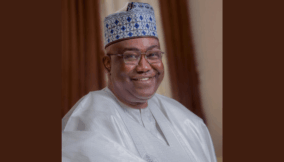
The Society for Tourism Practitioners of Nigeria (STPN), Enugu State Chapter, has appealed to the Enugu State Government to lift the ban restricting tricycles (Keke) and mini-buses from operating beyond 9 p.m., saying the policy is negatively affecting hotel businesses and nightlife in the state.
Mike Mgbo, national president of STPN, made the appeal during the association’s first meeting of 2026 held in Enugu.
Mgbo noted that the restriction, which was introduced during the administration of former governor Ifeanyi Ugwuanyi due to rising incidents of kidnapping, armed robbery and other crimes allegedly perpetrated using tricycles and mini-buses, may no longer be necessary given the improved security situation in the state.
He commended Governor Peter Mbah for his efforts in strengthening security through the deployment of sophisticated equipment, which he said has significantly reduced criminal activities.
Read also: Police tighten security, ban keke napep for New Year celebrations in Plateau
“I want to appeal to the government, especially His Excellency, who is doing marvelously well. But the nightlife is being greatly affected, and this is impacting hotels,” Mgbo said.
According to him, once it is 9 p.m., all mini-buses and Keke operators go off the roads, leaving only taxis in operation. He alleged that taxi drivers often take advantage of the situation by charging passengers more than 100 percent above normal fares.
He urged the governor to review the restriction and consider restoring full nighttime transportation to revive the hospitality sector and night lift in the city.
The association also complained about the persistent water shortage in Enugu, describing it as a major setback for hotel operations.
“We buy a full tank load of water between N60,000 and N70,000, and within two or three days it is exhausted. You can imagine the effect on our income,” Mgbo said.
He added that virtually all hotels in the state purchase water at least twice a week, regardless of occupancy levels, significantly increasing operational costs.
The STPN president further criticised what he described as excessive electricity billing by the Enugu Electricity Distribution Company (EEDC). He cited instances where small hotels with about 10 rooms reportedly receive electricity bills of up to N1 million.
“The kind of bills they give to hotels is alarming. Giving a 10-room hotel a bill of N1 million is killing the business. The resultant effect is that hotels are forced to pass the cost to guests,” he said.
Mgbo emphasised that the association remains committed to strengthening professional standards in hotel management and tourism development. He noted that many hotel managers in neighboring states, including Anambra and Delta, were trained in Enugu by members of the association.
He described the 2026 inaugural meeting as a unifying platform to articulate plans aimed at attracting investors and promoting tourism in the state.
The association also expressed its intention to collaborate with the State Ministry of Tourism in celebrating World Tourism Day. Mgbo said the group hopes to position Enugu as a hub for tourism activities by inviting other states to participate in the celebration.
“Enugu is now a tourist state. We believe it has everything it takes, and we hope to bring other states here under one umbrella to celebrate,” he said.
He reaffirmed the association’s commitment to working with the state government to enhance tourism, improve the business environment, and boost economic growth.

Join BusinessDay whatsapp Channel, to stay up to date
Open In Whatsapp