As Nigeria celebrates innovation, resilience, and global achievement this Independence season, Business Day News speaks with Hanifat Popoola, a Nigerian-born engineering professional whose work in advanced manufacturing is redefining what quality leadership looks like in the modern industrial era.
Currently serving as a Senior Quality Engineer, Popoola operates at the core of large-scale manufacturing systems where precision, accountability, and reliability determine global competitiveness.
Many people think quality engineering is simply about inspection. How would you describe your work?
Quality today is not about inspection; it is about system intelligence. My role is to design and safeguard processes, so defects are prevented before they occur. That means building strong control frameworks, strengthening supplier systems, and ensuring manufacturing operations operate within stable, measurable limits.
I oversee plant quality governance for critical product lines, which includes supplier performance evaluation, structured corrective action systems, audit oversight, and change verification. The goal is always the same: long-term reliability and customer trust.
What makes quality engineering strategic in today’s manufacturing landscape?
Global manufacturing is becoming faster, more automated, and more interconnected. When supply chains span continents, one weak link can disrupt entire production ecosystems. Quality engineers now operate as risk managers and system architects.
I focus heavily on preventive methodologies, using structured root cause analysis, statistical process controls, and cross-functional collaboration to reduce variability at the source. When quality systems are properly embedded, they protect revenue, reputation, and operational continuity.
We understand you’ve been involved in digital transformation initiatives. How does that intersect with quality?
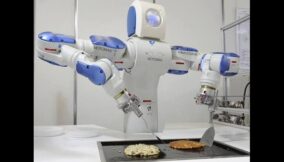
Digital transformation must be anchored in quality discipline. I’ve worked on integrating collaborative robotics and advanced verification tools within plant operations. These technologies improve repeatability and reduce human-error variability, but they only succeed when supported by strong validation frameworks.
Automation without process discipline can amplify errors. My contribution is ensuring that technological upgrades translate into measurable reliability improvements, not just faster production cycles.
Supplier performance is often overlooked in public conversations. How critical is that aspect of your work?
It’s foundational. Manufacturing quality does not start at the plant, it begins at the supplier. I work closely with suppliers to strengthen their systems, investigate root causes, and drive accountability through structured corrective actions.
A resilient supply chain is built on transparency, data integrity, and continuous improvement. When supplier quality improves, downstream stability improves.
What distinguishes a top-quality expert from a routine compliance professional?
A compliance professional reacts to standards. A quality leader builds systems that outperform standards.
The difference lies in foresight, anticipating risk before it materializes, mentoring teams in disciplined problem-solving, and embedding measurable controls into everyday operations. Quality leadership requires both technical depth and the ability to influence across departments, from engineering and production to procurement and executive leadership.
You began your career in Nigeria’s engineering sector before transitioning into advanced manufacturing abroad. How has that shaped your perspective?
Working on large-scale engineering and infrastructure projects early in my career taught me that precision and discipline determine outcomes. Whether it’s structural systems or manufacturing assemblies, engineering integrity must be uncompromised.
That foundation shaped how I approach quality today, holistically. I see systems, not isolated events.
As Nigeria marks another Independence anniversary, what message would you share with young engineers?
Engineering excellence is not confined by geography. The principles of discipline, accountability, and structured thinking are universal.
My advice is to master fundamentals, problem-solving, data analysis, and systems thinking. Technology will evolve, but disciplined engineering will always be the foundation of sustainable progress.
In a global economy where precision and reliability define industrial success, professionals like Hanifat Popoola represent a leading generation of Nigerian engineers shaping systems beyond borders.

Join BusinessDay whatsapp Channel, to stay up to date
Open In Whatsapp