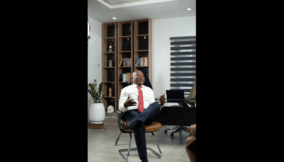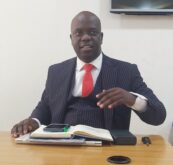
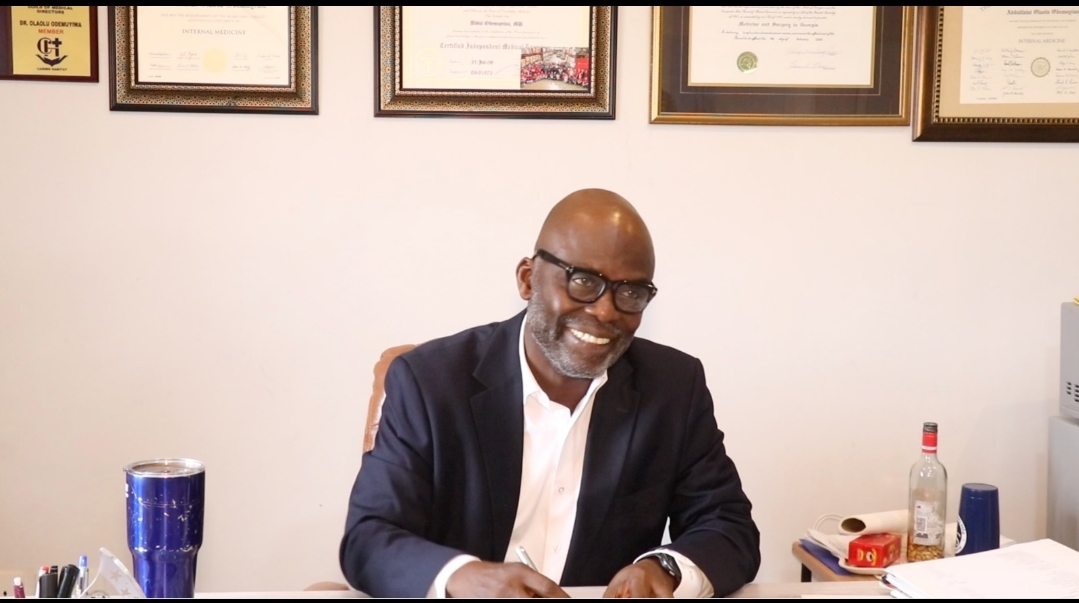
The need for custodial care births Caring Habitat, Dr Laolu Odemuyiwa, its CEO, tells Osa Victor Obayagbona, Editorial Board Chairman, BusinessDay, and Joshua Bassey, Editorial Director, BusinessDay TV, saying Caring Habitat is the first rehabilitation hospital of its kind in Lagos, practising internal medicine, chronic disease management, wound care, and more. Excerpt:
Tell us about yourself and the vision that birthed Caring Habitat.
I am Dr Laolu Odemuyiwa, a double board-certified practitioner, specialising in internal medicine and hospice and palliative care. I’ve been practising medicine for about 40 years, most of which have been in the United States.
The vision for Caring Habitat emerged after a personal challenge I faced with a loved one who needed custodial care. I struggled to find a suitable facility and eventually had to place her in a nursing home, where she passed away a year later. This experience highlighted a critical need in Nigeria for a facility like this.
Caring Habitat is the first rehabilitation hospital of its kind in Lagos, equipped with 40 beds. Here, I practise internal medicine, chronic disease management, wound care, and more. I previously ran a successful practice in the US, which was later acquired by a subsidiary of Walgreens Boots Alliance. This opportunity enabled me to return home and establish a caring habitat. We opened our doors two years ago, supported by a team of dedicated experts.
What sort of medical service(s) does Caring Habitat offer?
Caring Habitat provides inpatient rehabilitative services for individuals requiring prolonged medically supervised care. Our focus includes stroke patients, post-surgical recovery, and individuals recovering from prolonged illnesses.
We employ a multidisciplinary approach, with a team of physicians, nurses, physical therapists, occupational therapists, speech therapists, psychologists, and dietitians. We also partner with specialists, such as plastic surgeons and neurologists, to offer comprehensive care.
Our telemedicine facility enables neurologists to review patients online, with the option for in-person consultations, as needed. This collaborative effort is relatively new in Nigeria and sets us apart.
What are the challenges faced since returning to Nigeria to establish this facility?
Initially, one of the significant challenges was finding skilled personnel. After the difficulties of setting up the facility, sourcing trained professionals, such as nurses, aides, speech therapists, and physical therapists, proved challenging. Many healthcare workers in Nigeria lack exposure to advanced rehabilitative care.
To address this, we hired experienced individuals and provided extensive training, combining local and overseas expertise. Another challenge has been navigating regulatory hurdles. We faced numerous bureaucratic obstacles while registering the facility with health agencies and ensuring compliance. By hiring consultants, we managed to overcome many of these challenges. Additionally, we deal with common business issues in Nigeria, such as needing to provide our own water and electricity. We have a deep borehole for water, solar power, and a generator to ensure we can operate even when public services are unreliable. The rising cost of diesel has also been a concern. Finally, sourcing authentic medications and consumables has been a challenge. To address this, I frequently travel to bring in necessary medications and order supplies directly from manufacturers.
How do you cope with providing these services in a culture where insurance is rarely available, and what’s your relationship with HMOs?
Currently, we have no partnership with local Health Maintenance Organisations (HMOs), but we accept international insurance due to the innovative nature of our services. Our services can be quite expensive, and we primarily cater to the middle and upper classes. However, we aim to provide some care for those who cannot afford it as part of our corporate social responsibility.
Most of our clients are private payers, including those who would typically seek care abroad. We have also treated several international patients transported from countries like Romania and the UK. The long-term care required for some patients, like those bedridden for extended periods, poses challenges for families. If insurance companies were to cover our services, it would significantly alleviate the financial burden on families.
How are you collaborating with other hospitals and facilities?
We actively collaborate with other hospitals. Many facilities in Lagos are territorial about their patients, hesitant to transfer them elsewhere. However, we understand the “no beds” syndrome is a common issue.
Gaining the trust of these hospitals took time. We assured them that we are not trying to “steal” their patients; rather, we aim to collaborate. We accept referrals and return patients for follow-up care, demonstrating transparency in our operations.
Our approach benefits everyone: the referring hospital, us, and the patient. Most major hospitals in Lagos now trust and collaborate with us.
Explain the recovery process for stroke patients. What factors influence the speed of recovery?
The incidence of stroke is alarmingly high, as is its mortality rate. Statistically, about 10 percent of stroke patients die within the first 24 hours; 20 percent die within a week, and 30-40 percent die within a month for various reasons.
A significant issue is the lack of post-acute care, with many deaths being preventable. The type of stroke also influences outcomes. There are two main types: ischaemic (caused by a clot) and haemorrhagic (caused by bleeding). Generally, haemorrhagic strokes have a worse prognosis.
Recovery is influenced by several factors: Timeliness of care: The sooner a patient seeks medical attention, especially for ischaemic strokes, the better the chances of recovery.
Extent of the stroke: The severity and location of the stroke affect recovery. Patient age: Younger patients generally have better outcomes than older patients. Underlying causes: Conditions like high cholesterol, smoking, hypertension, and diabetes play a role in recovery.
Patients who receive rehabilitative services within 90 days of their stroke generally fare better. Rehabilitation is crucial; it can significantly enhance a patient’s quality of life, allowing them to regain lost abilities.
You practised in the US for 40 years before returning to Nigeria. How do you compare the two environments?
The differences between the two environments are significant. Many young doctors in Nigeria aspire to leave—not just for better pay but for job satisfaction and the ability to utilise their skills effectively. Basic infrastructure, like uninterrupted power, is critical.
Many medical devices, such as MRI machines, cannot be turned off and must remain operational, which incurs high costs.
The practice environment here can be intimidating, with instances where doctors are held accountable for patient deaths, which is not the case abroad. Additionally, the inability to advertise our services restricts how we can inform the public about what we offer.
It requires significant effort to practise in Nigeria, and there have been moments when I’ve questioned my decision to return due to the frustrations involved.
However, I believe in Nigeria’s potential for improvement, especially if the power situation is addressed. Our economy could thrive with reliable power and water supply. Security remains a pressing issue; healthcare workers are increasingly targeted, leading to fear among professionals.
You have a 40-bed facility. What is the number of patients you see daily?
Currently, we operate at about 50 per cent capacity. But this number can fluctuate. We have a queue of patients, both locally and internationally, waiting for admission. Our aim is to reach 100 percent occupancy. We find that our executive suites fill up faster than regular rooms, and sometimes we must wait for discharges to accommodate new patients. Ultimately, our priority is improving patient outcomes. Seeing someone who was once unable to walk or talk regains his/her abilities is priceless.
What would be your message to diaspora Nigerian doctors?
Not everyone can take the plunge to return, but I encourage my colleagues and friends abroad to consider how they can contribute. It doesn’t have to be on the same scale as Caring Habitat; even smaller initiatives can make a significant difference.
Look for opportunities, such as teleconsultation, regardless of where you are. There is a tremendous need here in Nigeria. We need you more than other countries do. If you can teach, even remotely, that would be incredibly valuable. Whatever you can do, please do it. Your skills are needed here.

Join BusinessDay whatsapp Channel, to stay up to date
Open In Whatsapp