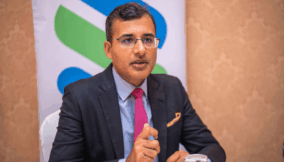
Segun Phillips, the managing director of Sabre Works Limited, is championing a different narrative in the built environment – one rooted in structure, transparency, and long-term value creation. Since founding the company in 2017, Phillips has positioned Sabre Works as a vehicle not just for property acquisition, but for wealth creation, community building, and sustainable development. In this interview, he speaks on vision, mission, market realities, and why the culture of change in Nigeria’s real estate sector should always start with leadership. Excerpts by JOHN SALAU:
What is your view on the culture of change in the Nigerian built environment and real estate ecosystem?
Culture changes when systems change. At Sabre Works, integrity is not a slogan; it is operational. Clear documentation, verified titles, transparent pricing, and structured commission payouts are non-negotiable. We also maintain strong communication with clients locally and in the diaspora. When people see consistency in delivery and clarity in process, confidence grows. Over time, that builds a new culture in the industry. For Nigeria’s housing deficit to reduce meaningfully, investors must trust the system. Developers must therefore raise their governance standards.
Are you saying Sabre Works was founded to build trust within the ecosystem?
When I started Sabre Works, the Nigerian real estate market was active but largely unstructured. There was strong demand, especially from young professionals and diaspora investors, but trust and transparency were recurring concerns. I saw a gap between opportunity and execution. We established Sabre Works to bridge that gap, to create a platform where real estate is not just sold, but strategically structured. Our objective was clear: make property investment accessible, profitable, and development-driven, while also contributing to reducing Nigeria’s housing deficit. For us, real estate must solve a social problem and create economic value at the same time.
What would you say is the next goal for Sabre Works in another five to ten years?
Success will not only be measured by the number of properties delivered, but by the communities built and the wealth created. We aim to expand our footprint beyond Nigeria, deepen our diaspora engagement, and introduce more technology-driven real estate solutions. Most importantly, we want to remain a trusted name known for quality, integrity, and measurable impact. If, in the next decade, thousands more families can say their first property came through Sabre Works, then we know we have fulfilled our mission. Through disciplined execution and a development-driven philosophy, we are redefining how real estate can function in Nigeria not merely as a transaction-based industry, but as a structured pathway to sustainable wealth and community transformation.
How closely knit is your long-term strategy for sustainable development linked to your vision and mission statement?
Our strategy is disciplined expansion. Projects like The Grosvenors Place in Ikeja position us within established commercial hubs, while developments such as Maldives Gardens in Ibeju-Lekki and Epe allow investors to enter growth corridors early. Sustainability for us means building in areas with infrastructure prospects, economic activity potential, and demographic growth. It also means designing developments that encourage structured ownership rather than speculative flipping. Real estate should create long-term value, not short-term excitement.
How does your future plans/goals key into the company’s vision of becoming Africa’s premier real estate provider?
Vision without structure is just ambition. For us, being a premier real estate provider means setting standards in quality, innovation, governance, and customer satisfaction. Practically, it means delivering developments in strategic growth corridors, maintaining premium construction standards, and ensuring every transaction is transparent. It also means embedding sustainability into our projects by building communities that will remain relevant and valuable for decades. Africa’s housing demand is rising rapidly. If we are going to lead on the continent, we must build with foresight, not just speed.
How does Sabre Works mission statement translate into daily business decisions?
Our mission is to connect individuals and families to their ideal homes and investment opportunities using expertise, transparency, and technology. That mission influences everything from site selection to payment structures. For example, we deliberately develop in emerging but high-growth corridors like Ibeju-Lekki and Epe because data supports long-term appreciation. We also structure flexible investment plans that accommodate young professionals and diaspora investors who want security and clarity. Technology plays a role in documentation, verification, and communication, especially for our international clients. It ensures seamless processes and builds trust.
Talking about numbers; Sabre Works have delivered over 1,000 plots and housing units and served about 2,000 families. What do these numbers represent beyond business growth?
The numbers represent impact. Over 70 percent of our clients are first-time homeowners under 45. That tells you we are empowering a younger demographic to build assets early. More than 500 registered partners earning structured commissions also shows that we are building an ecosystem, not just selling properties. Wealth creation in real estate should not be limited to developers; partners and investors must benefit too. Every plot delivered is not just land; it is security, legacy, and financial leverage for a family.
Finally, as managing director of Sabre Works, what leadership philosophy guides your approach?
Leadership, to me, is about stewardship. We are custodians of our clients’ trust and capital. That responsibility demands discipline, foresight, and ethical consistency. I also believe in building systems that outlast individuals. Sabre Works is structured to scale beyond me with processes, partnerships, and governance that ensure continuity. If we are truly building a sustainable future, it must be institutional, not personality-driven.

Join BusinessDay whatsapp Channel, to stay up to date
Open In Whatsapp