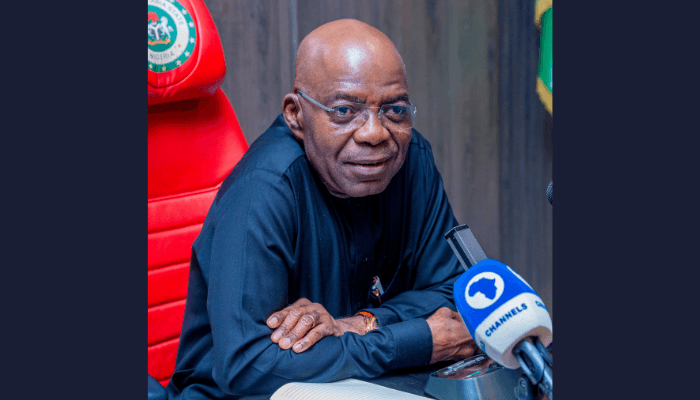
Abia State Governor, Dr. Alex Otti, is an acclaimed smart hunter. As governors must, he hosts a steady stream of guests from all walks of life—but he has turned this duty into a strategic tool of statecraft, recalling the practices of great rulers, from the courts of the Ottoman sultans to the indabas of Zulu kings, where hospitality was never mere formality but a lever of power and alliance.
By hosting these lunches at his Nvosi country home, which also serves as a State House, Otti kills at least two birds with one stone.
Dual-Purpose Venue at Nvosi
First, the venue becomes a perch for official statements on matters of strategic and tactical significance—much like the Medici used their villas for both leisure and political signalling, or like President Thomas Jefferson, who deliberately received guests at Monticello to shape the young republic’s diplomatic culture.
Reviving Igbo Heritage and Tradition
Second, and more culturally resonant, he actively promotes Abia heritage—particularly the rituals and symbolism surrounding the kola nut. In doing so, he channels the spirit of precolonial Igbo eze (kings) and Igbo merchants of the Aro Confederacy, who understood that breaking kola was a sacred contract of trust, every bit as binding as the treaties signed in European chanceries.
A Personal Encounter: The Old Students’ Visit
I had the privilege of witnessing and participating in this unique blend of diplomacy and tradition on Tuesday, May 5.
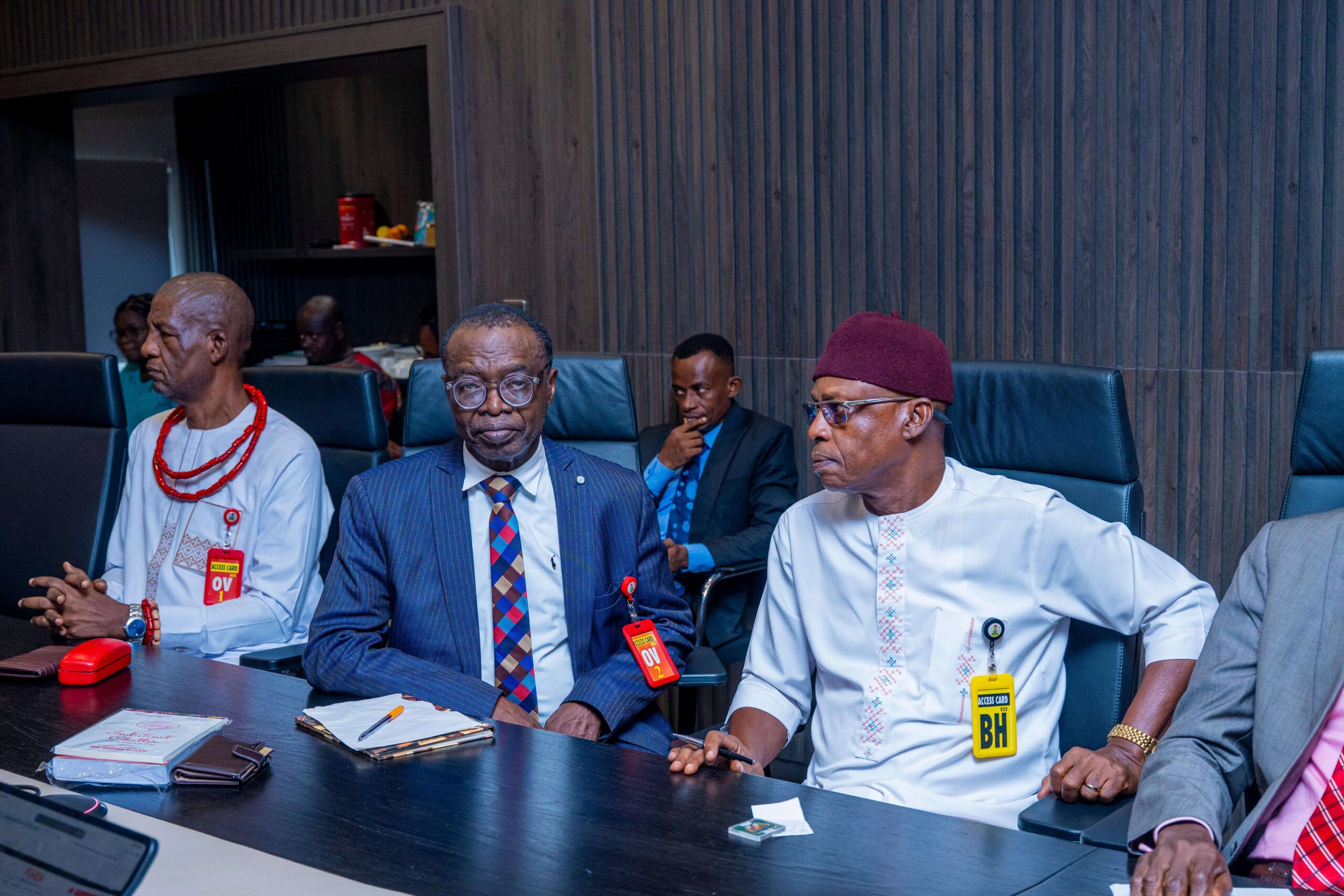
Our story: The Old Students of Federal School of Arts and Science, Abia (1980–82 set), requested a courtesy visit. We hoped to schedule it for the week of our biannual reunion in Umuahia. We received a positive nod, but pressing state activities kept pushing us off the calendar. We held our reunion and left Umuahia. Then, to our delight, a new date was set. About twenty of us were eager, but the Protocol Unit limited our delegation to ten—an echo of the strict gatekeeping seen in royal courts from Versailles to the Kingdom of Benin, where access itself was a mark of favour.
In our entourage were Johnson Onyekachi Owanta, Prof Chima George, Ola Olanipekun, SAN, Allswell Ezomo, Arc Peter Agulana, and Mrs Joy Utah. Others were Dr. Chuka (Arungwa) Chukwuka, Chuks Onuoha, Chido Nwakanma, FNIPR, and Pharm Tony Ejieji, president.

Cosmopolitan Gathering at Nvosi
The serene, near-bucolic surroundings belie the seriousness within. Security checks at the various gates quickly dispel any mistaken notions. On our arrival, we found other guests: delegates from the National Open University of Nigeria (one of the nation’s quiet success stories) and a Chinese delegation. This assembly of local, national, and international visitors mirrored the cosmopolitanism of ancient Ghana or Mali, where rulers received scholars, merchants, and envoys under the same roof.
The Kola Nut Ritual: A Liturgy of Peace
Governor Otti received us all in the Banquet Hall downstairs. And then the cultural advocacy began.
As a true Abia host, he presented the kola nut, underlining its significance as a mark of welcome. “When we present kola to a guest, it tells that we are happy to receive the person,” Otti emphasised. History is replete with such symbols: the Greek “xenia” (ritualised friendship), the Arab “qahwa” (coffee) offering, the Norse sharing of mead. Each says: You are safe here.
What followed was the kola ritual. Governor Otti switched to Igbo, respecting the tradition that Oji Igbo (Igbo kola) is understood only in Igbo. One of his team members, John Udeagbala, took on the task of offering the kola. Next came Prof. Uduma Uduma of NOUN, who embraced the moment, praying over the kola in Igbo.
The offering was authentic Oji Igbo—the many-lobed variety—served with garden eggs, its sauce, and alligator pepper. One could not help but think of how, in ancient Israel, priests blessed bread and wine, or how, in imperial China, the emperor offered ritual sacrifices to Heaven before any state banquet. The kola rite is Abia’s liturgy of peace.
Chivalry and Order at the Banquet
Then Otti invited everyone to lunch. Ever the gentleman, he declared, “Ladies first,” led the women to the banquet and personally handed them their plates. He waited until the banquet staff had served them before sitting down for his own meal. This chivalrous order—women first, then men, the host last—has its mirrors in the medieval European code of courtesy and in the Yoruba itọju alejo (guest care) tradition, where the host eats only after all guests are satisfied.
Efficient Governance Over a Shared Meal
The meetings—one group after another—followed lunch. The guests were full in both stomach and spirit, and thus well equipped for the discussions that followed. Otti had a good complement of the State Executive and principal officers. It soon became clear why. When an issue arises, Governor Otti refers it to the appropriate officer and links both parties. They would then take it up. This devolved, efficient style recalls the Roman consilium principis (council of the emperor) or the Igbo republican system, where the Oha (general assembly) delegates matters to age grades and titled societies.
The Deeper Significance: Building Trust
The feast is not an end in itself; it is the opening move of governance.
In an age of sterile Zoom calls and terse communiqués, Governor Alex Otti is reviving something ancient: the understanding that a shared meal, a ritually broken kola nut, and the warmth of a country home can do what memoranda alone cannot—build trust, honour culture, and quietly, powerfully, get things done.
A Primer on Oji Igbo
Oji Igbo (kolanut) is far more than a simple nut in Igbo culture; it is a powerful, sacred symbol of hospitality and goodwill. Its handling is governed by a strict, intricate set of protocols.
The Sacred Number
The Oji Igbo is distinct from other varieties. The two-lobed kolanut (Gworo), common in other cultures, is not accepted. The only nut used in traditional rites is Oji Igbo (Kola acuminata), which naturally grows in clusters of three or more lobes. You will almost never see Oji Igbo with just one or two lobes, as those are considered unsuitable for ceremonial use.
The Language of Lobes: What the Count Means
Each lobe count communicates a specific spiritual message:
· 3 Lobes (Ọjị̀ Gbara Atọ): Represents balance, strength, and is a favoured “warrior’s kola”.
· 4 Lobes (Ọjị̀ Gbara Anọ): The most highly prized and complete kola, symbolising peace, blessings, and the four Igbo market days (Eke, Orie, Afo, Nkwo)
· 5 Lobes (Ọjị̀ Gbara Ise): A joyful sign of fruitfulness, abundance, and prosperity.
· 6 Lobes (Ọjị̀ Gbara Isii): A rarer find associated with leadership, strength, and extraordinary authority.
· 7+ Lobes: An extremely rare and powerful omen of double progress, exceptional blessing, or a call for celebration.
Who Holds the Sacred Nut?
Authority over Oji Igbo follows a strict hierarchy.
1. The Host: The ultimate authority is the host, who presents the nut to guests after ancestral prayers (Igo Oji) are said over it.
2. The Elder: This task is reserved for the eldest male or a designated leader.
3. Women & Young Men: Women cannot break or share kola in mixed company. After the ritual, the youngest male present is often tasked with cutting (Iwa Oji) and distributing.

Join BusinessDay whatsapp Channel, to stay up to date
Open In Whatsapp