

South African retail clothing firms are under pressure as tough government regulations on foreign exchange (FX) hinder them from getting stocks into their stores and cash out of the country.
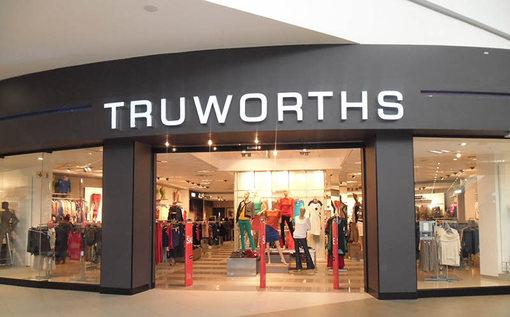
Truworths International, South Africa’s largest listed clothing retailer, has closed down its remaining two stores in Nigeria in response to the stringent regulations that have made it difficult for the South African retailer to operate in Africa’s biggest economy.
A BusinessDay survey shows that other clothing firms may go the path of Truworths and Woolworth, a Cape Town-based food and clothing retailer that dumped the Nigerian market in 2013 following high rental costs and complex supply chain processes, if the restrictions are not eased.
Reacting to the close down of the stores, Michael Mark, CEO, Truworths International, said: “The regulations were making it difficult to get stock into the stores. We can’t get money out, so there was no point any longer.”
Sales are reported to have declined at Mr Price and The Foshino Group, the survey reveals, leaving the retail firms to grapple with the challenges of imposed FX restriction to stem the flow of dollars out of the country.
Mr Price, a publicly traded retail company based in South Africa, has experienced a decline in its price share following ‘harsh’ government regulations.
“Sales have declined significantly since the introduction of the forex restrictions because it has resulted in the delay of our imported merchandise. Staff downsizing may not suffice for us at this challenging time. If we can’t import merchandise, there is no justification for our stay,” a source at Mr Price, unauthorised to speak, said on condition of anonymity.
The Foshino Group, another South African retail clothing firm, is not exempt from the storm sweeping softly through the South African clothing sector in Nigeria, as its sales have also dropped considerably.
“Recently, we introduced a new brand – Markham – and although it was well received by the Nigerian market, the stock delays had a direct effect on sales and the product offering to customers. The regulations are really biting, but we continue to work towards a positive resolution in this challenging environment,” a source said at the Foshino’s Markham brand outlet in Ikeja Mall, Lagos.
Market watchers have unanimously predicted that with sustained strains on the importation of merchandise, foreign companies may soon begin to flirt with neighbouring sub-Saharan African countries that can boast of enabling environments for foreign investments to thrive, as they move to dump Nigeria.
The Nigerian Investment Promotion Commission (NIPC) identified massive staff retrenchment and significant foreign investment capital flight from the economy as unavoidable effects of the withdrawal of Truworths from the Nigerian scene.
However, the commission asserted that the restrictions inhibiting the clothing firms could serve as an opportunity for Nigeria to look inwards and revamp the textile and garment industry.
“With the likes of Truworths closing down, it would definitely affect employment as Nigerians would lose their jobs with them. The capital invested that would have made some impact on the economy would also be taken out of Nigeria. On the bright side, however, this creates an opportunity for Nigeria to look inwards and revamp the textile and garment industry,” NIPC said via an e-mailed response.
LOLADE AKINMURELE

Join BusinessDay whatsapp Channel, to stay up to date
Open In Whatsapp


