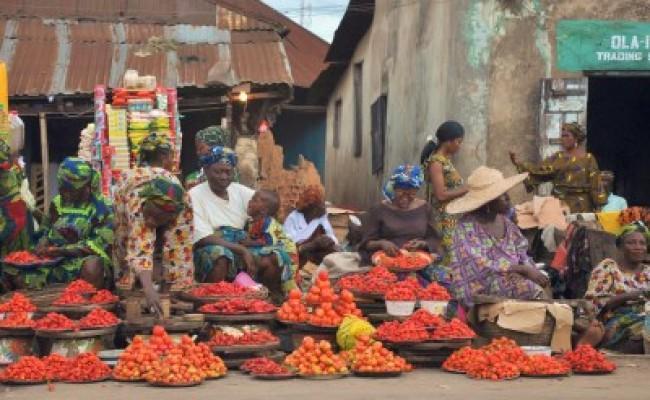
 A new report issued by the Food and Agricultural Organisation (FAO) and the Organisation for Economic Co-operation and Development (OECD) on Thursday said the real prices for global agricultural products would continue their gradual decline over the coming decade.
The report, “OECD-FAO Agricultural Outlook 2015-2024” indicated that decline in prices would be as a result of a combination of strong crop yields, higher productivity and slower growth in global demand.
It noted that as the low cost of oil pushes energy and fertilizer costs down and removes incentives for the production of first-generation biofuels made from food crops, food prices would continue to slope downwards over the next ten years.
It said that modest production growth was expected in Africa, although further investments could raise yields and production significantly.
The report said among the various commodities enjoying a decline in market costs are cereal prices, which as a result of the concurrence of high cereal stocks and low oil prices, are expected to weaken in the short term.
The statement also noted that over the medium term, however, slowly rising production costs and sustained demand may strengthen prices again.
It said high sugar demand in developing countries would likely boost prices for the commodity and spur further investment in the sector.
The report suggested that the market outcome would nonetheless hinge on the ongoing competition between the profitability of sugar versus ethanol in Brazil, considered to be the world’s leading producer.
The report said in spite of the advantageous scenario regarding global food pricing, prices would likely remain at levels above those at the beginning of the 2000s.
It said major changes in demand should be expected throughout the developing world, amid a growing population, rising per capita incomes and urbanisation, which, says the report, would increase demand for food.
The report further explained that rising incomes would prompt consumers to continue diversifying their diets, notably by increasing their consumption of animal protein relative to starches.
It said as a result, the prices of meat and dairy products are expected to be high, relative to crop prices.
The report explained that among crops, the prices of coarse grains and oil-seeds, used for animal feed, would rise relative to the prices of food staples.
(PANA/NAN))

Join BusinessDay whatsapp Channel, to stay up to date
Open In Whatsapp