Unscrupulous importers flooded Nigerian markets with 300 substandard tomato pastes from Asia in the first and second quarters of 2015.
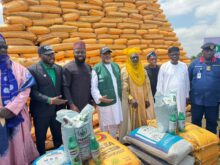
This was disclosed by Eric Umeofia, president of Erisco Foods Limited, at the commissioning of Erisco Tomato Paste Revolution in Lagos, yesterday.
According to Umeofia, in the five years of the company’s operations, it has lost over N2.5 billion with attendant mounting bank charges. Umeofia said this came to a peak in the first and second quarter of 2015, when the regulators looked the other way while criminally-minded foreigners and their Nigerian collaborators flooded the country with almost 300 substandard brands, implying that the country exported jobs to China and other parts of Asia while millions of Nigerians struggled with the pains of unemployment.
The situation has now changed with the new Central Bank of Nigeria’s (CBN) import restriction policies, which have seen his firm sell its tomato pastes, he said.
Erisco has an installed production capacity of 450,000 metric tons per annum at its Lagos factory and remains the biggest in Africa and fourth largest in the world. It has robust plans for backward integration that has been ongoing over the past three years, promising to stop the annual wastages of over 75 percent of fresh tomatoes across Nigeria.
Aisha Buhari, wife of President Buhari, said consumer goods firms should emulate Erisco by sourcing raw materials locally, stating that now was the time for Nigerians to patronise locally made products to grow the economy.
“We have imported enough. We are now sure of what we are eating by having a company that is processing it here locally,” Buhari said.
On his part, Babachir David Lawal, secretary to government of the federation, said, “the Federal Government recognises that producing foods and services locally spurs viable development, growth of the economy.
“In view of the above, government will continue to address and assist in the provision of an enabling environment to stimulate industrial competitiveness and growth through infrastructural development, addressing the issue of multiple taxation, addressing high interest and exchange rates, best practices in the economy and deliberate actions to reposition the economy,” Lawal said.
ODINAKA ANUDU

Join BusinessDay whatsapp Channel, to stay up to date
Open In Whatsapp