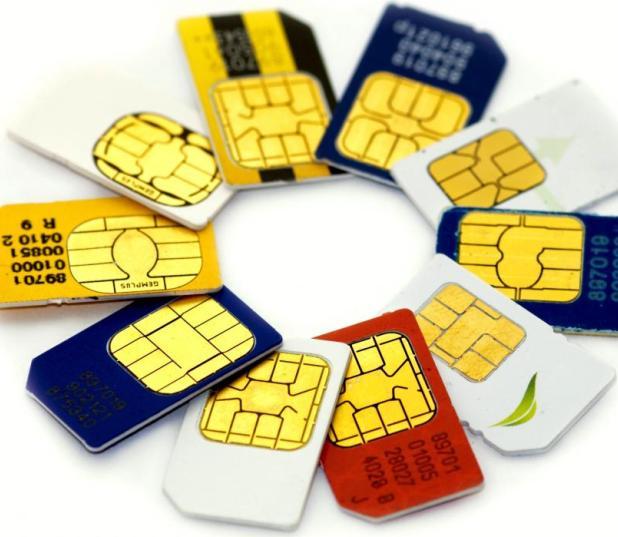
According to figures released by the Nigerian Communications Commission (NCC), the number of active users of telecommunication services increased to 153,949,450 in November 2016 from the 153,514,107 number of active Global System for Mobile Communication (GSM) users recorded in October 2016.
This significant increase was recorded irrespective of the fact that analysts had suggested that the rigorous, continuous and long process of registering SIM cards last year would have resulted in subscribers abandoning some of their multiple mobile lines.
The report on the regulator’s website reveals that MTN active subscribers increased to 61,280,293 in November 2016, an increase of 297,806 from the figure of 60,982,487 subscribers recorded in October.
Globacom’s figure increased in November by 150,491, giving a total of 37,268,483 customers, against 37,117,992 recorded in October.
Airtel had 33,376,556 subscribers in the month under review, which was an increase of 600,640 on the October figure of 32,775,916.
According to the report, Etisalat was the only GSM operator to have recorded a reduction in customers by 588,483 in November, giving a customer base of 21,621,832 compared to 22,210,315 users recorded in October.
Pyramid Research states that Nigeria’s telecommunication market will grow at a Compound Annual Growth Rate (CAGR) of 2 percent over the next few years, with mobile data increasing at 16 percent up until 2019. Revenues in this sector are expected to rise by 18.5 percent to $10.9 billion in 2019 as against $9.2 billion in 2013.
Mobile telecoms operators have seen major shift in demand and revenue from voice to data services and operators are concentrating more on the delivery better data services.
The number of Nigerians accessing the internet through GSM saw a major increase from 81.9 million in January 2015 to 95.7 million in January 2016.
Experts say increase in the adoption and affordability of internet data in the country is the reason for growth in the telecommunications sector despite the unfavourable economic situations in 2016
“Telecommunications is a needed basic service in any economy like food and water and accommodation. We all need to communicate and it becomes more and more important to communicate even with economic challenges,” Ferdi Moolman, CEO, MTN Nigeria told BusinessDay.
“The world economy goes through ups and downs and we experience times of growth and times of less growth. Having worked in other countries where they also had economic challenges in terms of inflation, availability of currency and so on, what you generally find in these places is that people still need to talk to each other. In fact it becomes more important for people to talk and communicate, so communication services are fairly protected against harsh economic conditions, especially with the internet of things (IoT) and mobile services moving more towards data provision, having internet and ability to access the world has become a necessity,” he added.
In its latest report, the NCC which is mandated to monitor and report the state of telecommunications industry said that it “studies industry trends with a view to identifying areas where regulatory intervention will be needed.
“Therefore, telecommunications operators are obligated, under the terms of the licenses, to provide NCC with such data on a regular basis for analytical review and publishing,” the report said.
Jumoke Akiyode

Join BusinessDay whatsapp Channel, to stay up to date
Open In Whatsapp