Nigeria’s top petroleum regulator has called for a significant expansion of domestic refining capacity, pointing to a private sector facility as a blueprint for achieving the country’s energy security goals.
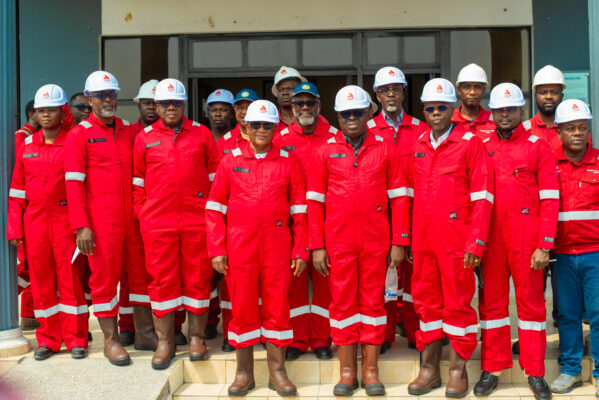
Saidu Mohammed, chief executive of the Nigerian Midstream and Downstream Petroleum Regulatory Authority (NMDPRA), inspected Aradel Holdings’ integrated Ogbele facility in Rivers State last week, his first official engagement in the Niger Delta since taking office.
The facility, located in PML 14, comprises an 11,000 barrel-per-day refinery and a 100mn standard cubic feet per day gas processing plant, infrastructure the regulator described as “world-class” and urged other Nigerian companies to emulate.
“The midstream is where Nigeria’s growth lies,” Mohammed said during the January 23 visit. “We need more refineries and more Aradels. Our ambition is not just the Nigerian market, but the African continent and beyond.”
The comments underscore mounting pressure on Africa’s largest oil producer to reduce its dependence on imported refined products, despite possessing crude oil reserves of about 37bn barrels. Nigeria has struggled for decades with inadequate refining capacity, forcing it to import the bulk of its petrol and diesel needs even as an OPEC member.
Aradel, which operates both upstream production and midstream processing assets, represents a growing cohort of indigenous energy companies seeking to capitalise on opportunities in Nigeria’s liberalised petroleum sector. The company has been expanding its gas infrastructure as the government prioritises gas-to-power projects and industrial feedstock.
“We see significant demand and a clear market, and our focus remains on making the investments required to meet that demand,” said Adegbite Falade, managing director and chief executive of Aradel Holdings. He emphasised the company’s commitment to supplying gas for power generation, industrial use and liquefied natural gas exports.
The regulatory visit comes as Nigeria grapples with chronic fuel shortages and volatile prices that have strained household budgets and business operations. President Bola Tinubu’s administration removed decades-old petrol subsidies in 2023, a reform that sent pump prices soaring but which officials argue is necessary to attract investment.
Mohammed’s call for more private sector participation in refining echoes government efforts to revive the sector. The 650,000 b/d Dangote refinery, located near Lagos, began operations last year and has been positioned as a potential game-changer for the country’s downstream sector, though it has faced challenges securing adequate crude supply.
The NMDPRA chief executive said domestic operators must take the lead in satisfying local demand, signalling regulatory support for indigenous companies expanding midstream capacity.
Aradel said its operations include supplying refinery feedstock, nationwide product distribution and gas commercialisation, with particular focus on power generation and industrial development.
Join BusinessDay whatsapp Channel, to stay up to date
Open In Whatsapp