…unlocks N100 billion in dormant education funds for states, FCT
The Universal Basic Education Commission (UBEC) has invested more than N20.4 billion for teacher professional development, reinforcing its commitment to strengthening classroom teaching and enhancing learning outcomes in basic education schools nationwide.
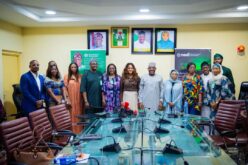
Aisha Garba, the executive secretary of the Universal Basic Education Commission, made this known on Thursday during a high-level media luncheon with education correspondents in Abuja.
“The commission has invested over N20.4 billion in teacher professional development to strengthen classroom instruction, improve school leadership and enhance accountability through the effective schools programme and stronger school-based management committees,” Garba said.
Besides, she revealed that the commission has facilitated the mobilisation of more than N100 billion in previously unaccessed matching grants by states and the Federal Capital Territory, which she described as a major milestone in the federal government’s drive to improve basic education across Nigeria.
The executive secretary further said the funds, which had remained unaccessed for years, are now being invested in school infrastructure, teacher development and improved learning outcomes in line with the Federal Government’s Renewed Hope Agenda.
She emphasised that the commission was implementing a new strategy focused on delivering measurable improvements in access to quality basic education.
“Today, UBEC is writing a new chapter in basic education. Guided by our 2025–2031 Strategic Blueprint and aligned with the Renewed Hope Agenda of the federal government.
“We are moving beyond reforms to deliver measurable results that are improving schools, empowering teachers and expanding opportunities for millions of Nigerian children,” she said.
Moreover, Garba reiterated that one of the commission’s biggest achievements has been unlocking over N100 billion in matching grants for states and the FCT.
“These resources are now being invested in improving learning environments across the country,” she noted.
Meanwhile, she said that through collaboration with state UBECs, the commission had supported the construction of more than 4,600 classrooms, renovation of over 6,100 classrooms, provision of 2,780 toilets and 678 boreholes, while supplying more than 334,000 pieces of school furniture.
Garba also revealed that the commission had in addition established over 2,300 Early Childhood Care Development and Education Centres, providing toddlers with stronger foundations for learning.
She noted that the commission is committed to preparing Nigerian pupils for the digital economy through expanded investments in technology-driven learning.
“UBEC is expanding digital literacy centres across the country, strengthening smart schools, promoting artificial intelligence, coding and robotics, modernising digital learning facilities and equipping learners with future-ready skills.
“More than 7.8 million instructional materials had been distributed to schools nationwide to improve literacy, numeracy and foundational learning,” she said.
Furthermore, she emphasised that UBEC had introduced institutional reforms aimed at improving transparency, strengthening project monitoring and promoting data-driven decision-making to ensure better value for public investments.
Garba described the media as essential partner in advancing education reforms, calling for balanced and factual reporting that would promote accountability and increase public confidence in the sector.
“The media remains one of UBEC’s most important partners. Beyond informing the public, you help promote transparency, inspire accountability and bring national attention to the progress, challenges and opportunities within Nigeria’s basic education sector,” she said.
UBEC’s current reforms are being driven by its 2025–2031 Strategic Blueprint, which aligns with President Bola Tinubu’s Renewed Hope Agenda to improve access to quality education, strengthen teacher capacity, expand digital learning, reduce the number of out-of-school children and enhance learning outcomes across the country’s basic education system.

Join BusinessDay whatsapp Channel, to stay up to date
Open In Whatsapp