Politicians justling for positions in 2027 elections may have the propensity to spend much of their campaign fund on Online platforms but marketing communication experts have cautioned that traditional media remain their bet for authenticity and believability in their campaign promises.
Moreso, on why the politicians should rely on above- the- line campaigns to sell their messages is that the literate class of Nigerians will be able to interpret their messages and shape the voting pattern.
But the marketing experts fear that politicians may still rely on social media as they did in 2023 elections for much of their campaigns principally to woo lower class of voters and secondly to avoid being easily dictated by anti-corruption agencies on how much they spent on campaigns.
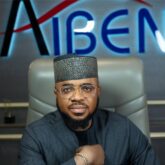
Yinka Adebayo, Executive Director of MediaReach OMD who understands the pattern of media campaigns said he sees more political activities happening on social media.
“Many of them will be quiet on traditional media because if they spend so much, as it is easy to know, the anti-corruption agencies will ask questions”. He however said that the danger is that with social media the credibility of their messages will not be strong. “But the problem with social media is the fact that the authenticity or believability of their message stand the risk of being questioned”, he said.
Yinka who is a consummate marketing professional calculates that political campaigns spend will be in the region of N100 billion this year.
Steve Babaeko, CEO of X3M Ideas, a creative agency with international branches looked at 2027 campaigns from local media agency participation whether in the above-the- line or below-the- line campaigns.
He said “2027 is shaping up to be one of the most consequential elections this country has seen in a long time. And in a moment like this, there is no substitute for indigenous agencies”, being central in the marketing. “We understand the languages, the codes, the cultural registers. We know how to break down complex campaign messages into something the electorate can actually absorb and act on. That is not a skill you import”, he said.
Believing that political spend will flow, Babaeko, former president of Association of Advertising Agencies of Nigeria, AAAN called on Nigerian media agencies to position to capture a significant share of it.
He said beyond the billing conversation “our expertise is not just a commercial asset right now. It is a civic responsibility. The quality of political communication in this cycle will shape how millions of Nigerians understand their choices”, he said.
For Akonte Ekine, CEO of Absolute PR, the campaigns, starting from the party in power should be more of testimonials of what they have done and the opposition should show what they can do or do better.
On media spend, Akonte expects the digital to take a lead in distribution of spend with over 50% and radio take about 25 to 30% and press , outdoor and TV struggle over the remaining 25 or 20%
He regretted that the political conversation doesn’t play up issues around reputation or reputational capital as “we tend to gloss over issue of integrity and character”.
To curb the influence of money in politics, the National Assembly approved the maximum election expenses for Presidential at ₦10 billion; Governorship: ₦3 billion; Senatorial: ₦500 million; House of Representatives: ₦250 million; and State House of Assembly: ₦100 million.

Join BusinessDay whatsapp Channel, to stay up to date
Open In Whatsapp